
For anyone starting their first garden, the seed aisle can be a place of both excitement and anxiety. With hundreds of colorful packets promising bountiful harvests, it’s easy to feel overwhelmed. The fear of choosing the wrong thing, of pouring time and effort into a plant that refuses to grow, is what holds many would-be gardeners back.
But here’s the secret: success in your first season has less to do with a magical "green thumb" and everything to do with smart plant selection. By choosing vegetables that are known for being forgiving, productive, and resilient, you set yourself up for a rewarding experience that will build your confidence for years to come.

Read Next
This guide is your cheat sheet to a successful first harvest. We've compiled a list of the top 10 easiest vegetables to grow, perfect for any beginner. These are the tried-and-true champions of the garden—plants that will reward your efforts with delicious, homegrown food and the priceless satisfaction of saying, "I grew this myself."
What Makes a Vegetable "Easy" for a Beginner?
Before we get to the list, let's define what "easy" really means in a gardening context. Our selections are based on four key characteristics:
Fast Growth and a Quick Harvest
Nothing keeps a new gardener motivated like seeing results quickly. Vegetables that go from seed to plate in just a few weeks provide instant gratification and valuable lessons.
Low Maintenance and a Forgiving Nature
Easy vegetables don't demand constant, expert attention. They can tolerate minor mistakes in watering, bounce back from a little neglect, and don't require complicated pruning or staking.
Good Pest and Disease Resistance
While no plant is completely immune, these vegetables are less likely to be wiped out by common bugs and diseases, meaning you'll spend less time troubleshooting and more time harvesting.
High Productivity
The best beginner vegetables are generous. They produce a reliable and often abundant harvest from a small space, making your efforts feel worthwhile.
The Top 10 Easiest Vegetables for Your First Garden
1. Leaf Lettuce

Forget the tricky head lettuces for now. Leaf lettuce is the star of the beginner garden, allowing you to harvest fresh salad greens for weeks from the same plants.
Why It's Easy
It grows incredibly fast and doesn’t require a lot of space. Its "cut-and-come-again" nature means you can snip off the outer leaves, and the plant's center will continue to produce new ones.
How to Plant
Sow seeds directly into the garden soil in early spring, as soon as the soil can be worked. Plant them about half an inch deep in rows.
Growing Tips
Lettuce prefers cooler weather and consistent moisture. Provide about 6 hours of sun. In hotter climates, plant it where it will receive some afternoon shade.
Harvest Time
You can start harvesting tender outer leaves in as little as 30-45 days.
2. Radishes
Radishes are the champions of instant gratification. If you have impatient kids (or are an impatient adult), this is the vegetable for you.
Why It's Easy
They have one of the fastest growth cycles of any vegetable. Their speed means they are often harvested before many common pests even become a problem.
How to Plant
Sow seeds directly in the ground about half an inch deep. They tolerate a bit of crowding but will produce larger roots if you thin them to about 2 inches apart.
Growing Tips
Plant in a sunny spot with loose soil. Consistent watering is key to preventing them from becoming woody or overly spicy.
Harvest Time
A mind-blowing 25-30 days for many common varieties like 'Cherry Belle'.
3. Bush Beans
For sheer productivity, it's hard to beat bush beans. A single, small row of these plants can produce a surprising amount of fresh, crisp green beans.
Why It's Easy
Unlike "pole beans," bush beans grow in a compact, bushy form and do not require any trellising or support. They are reliable producers and have relatively few problems.
How to Plant
Plant seeds directly in the garden about 1 inch deep after all danger of frost has passed. Beans love warm soil.
Growing Tips
Give them a spot in full sun (at least 6-8 hours). They are not heavy feeders and are fairly drought-tolerant once established, but water consistently when they start to flower and form beans.
Harvest Time
Approximately 50-60 days. Harvest the beans when they are firm and crisp; picking them regularly encourages the plant to produce more.
4. Zucchini (Summer Squash)

There is a running joke among gardeners that you should never leave your car unlocked in July, or you might find a bag of zucchini on the front seat. This plant is the poster child for productivity.
Why It's Easy
Zucchini plants are incredibly vigorous and prolific. One or two plants are usually more than enough to supply a whole family for the entire summer.
How to Plant
Plant seeds or starts in the garden after the soil is warm. Give them lots of space, as the plants get very large. Create small mounds or hills and plant 2-3 seeds per hill.
Growing Tips
Zucchini is a heavy feeder and loves rich soil and full sun. Water deeply and consistently, aiming for the base of the plant to avoid mildew on the leaves.
Harvest Time
About 50-65 days. Harvest zucchini when they are small to medium-sized (6-8 inches long) for the best flavor and texture.
5. Sugar Snap Peas
There is nothing quite like the sweet, crisp crunch of a sugar snap pea eaten straight from the vine. They are a delightful treat and a joy to grow.
Why It's Easy
Peas are a cool-weather crop, making them one of the first things you can plant in the spring. They are generally unfussy and productive.
How to Plant
Sow seeds 1 inch deep in early spring. Even though many are "bush" varieties, providing a small trellis or fence for them to climb will make harvesting much easier and keep the peas cleaner.
Growing Tips
Plant in full sun. They need consistent moisture, especially during flowering. Once the weather gets hot, pea production will stop, so get them in the ground early.
Harvest Time
Around 60-70 days. Pick them when the pods are plump and rounded.
6. Carrots
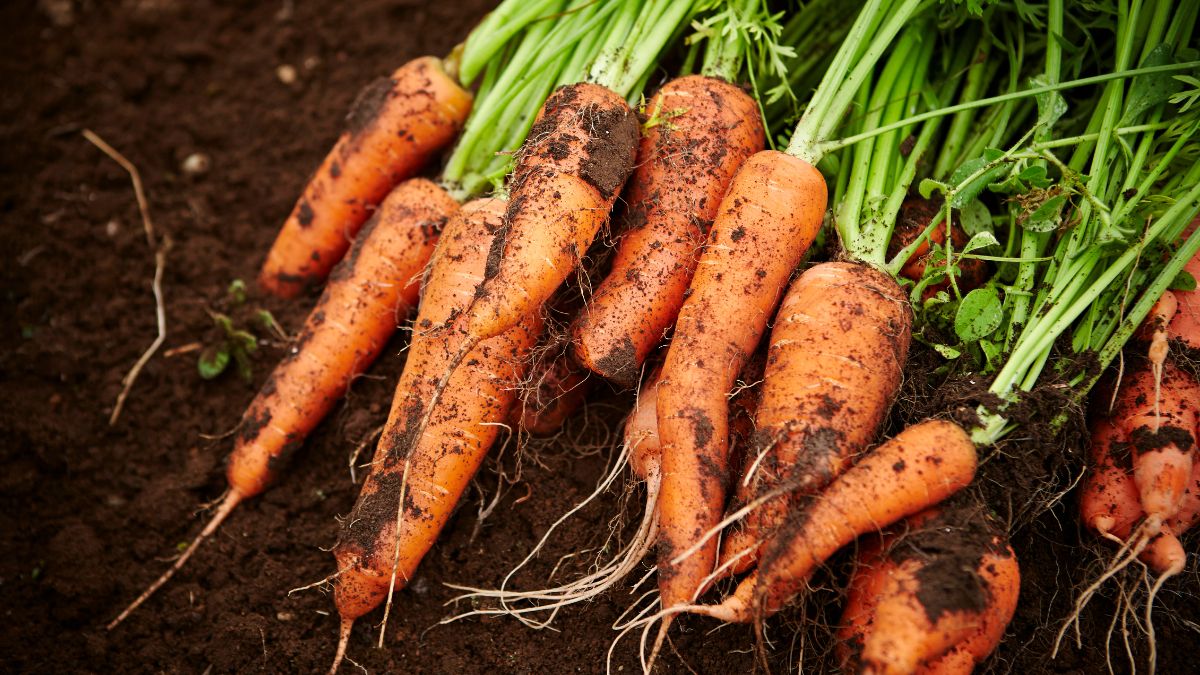
Pulling a bright orange carrot from the dark earth is one of the most magical moments in gardening. They are fun, delicious, and surprisingly straightforward to grow.
Why It's Easy
Carrots have few serious pest problems and can be left in the ground until you are ready to use them.
How to Plant
Sow the tiny seeds directly into the garden as thinly as possible, about a quarter-inch deep. Once they sprout, it is crucial to thin the seedlings to about 3 inches apart to give the roots room to grow.
Growing Tips
The most important requirement for carrots is loose, well-draining soil that is free of rocks and clumps. If you have heavy clay, carrots will struggle. Full sun is best.
Harvest Time
Approximately 60-80 days, depending on the variety.
7. Swiss Chard
Swiss chard is the workhorse of the leafy greens. It’s as easy to grow as lettuce but is far more tolerant of both heat and cold, giving you a much longer harvest season.
Why It's Easy
It is incredibly resilient and forgiving. Like lettuce, it has a "cut-and-come-again" growth habit. Plus, with its vibrant, colorful stems, it's beautiful enough to plant in a flower bed.
How to Plant
Sow seeds directly in the ground, about half an inch deep, a few weeks before your last frost date.
Growing Tips
It thrives in full sun but will tolerate some light shade. It's a fairly low-maintenance green that will produce from spring all the way through fall.
Harvest Time
You can begin harvesting the outer leaves when they are 6-8 inches tall, usually around 50-60 days.
8. Cherry Tomatoes
Large, heirloom tomatoes can be fussy and prone to disease, which can be discouraging for a beginner. Cherry tomatoes, on the other hand, are tough, prolific, and bursting with sweet flavor.
Why It's Easy
They are far more vigorous and disease-resistant than their larger cousins. They produce an abundance of fruit over a long season.
How to Plant
It's highly recommended to buy young plants (starts) from a nursery. Plant them deep (burying the bottom two-thirds of the stem) after all danger of frost is gone.
Growing Tips
Tomatoes need at least 8 hours of direct sun. It is essential to provide a tall, sturdy cage or stake for support. Water deeply and consistently.
Harvest Time
About 55-70 days after planting a start.
9. Bush Cucumbers
Like beans, cucumbers come in vining and bush varieties. For a beginner with limited space, bush cucumbers are a fantastic, manageable option.
Why It's Easy
Bush varieties are more compact and don't require a large trellis. They are productive and grow quickly in warm weather.
How to Plant
Plant seeds or starts in a sunny spot after the soil is thoroughly warm. Give them rich soil and good air circulation.
Growing Tips
The key to good cucumbers is consistent and plentiful water. Any bitterness in the fruit is usually a sign of inconsistent watering.
Harvest Time
Approximately 50-70 days. Pick them when they reach the size recommended on the plant tag for the best flavor.
10. Kale

Known as a nutritional superfood, kale is also a super-star in the garden. It’s one of the hardiest and most low-maintenance greens you can grow.
Why It's Easy
Kale is incredibly tough and can withstand both summer heat and winter frosts (in fact, a light frost makes the leaves sweeter). It’s also a "cut-and-come-again" green.
How to Plant
You can sow seeds directly or plant starts from spring through late summer.
Growing Tips
Give it sun and well-drained soil. Like other leafy greens, it produces best with consistent moisture. Watch out for cabbage worms, which can be picked off by hand.
Harvest Time
You can start harvesting outer leaves in about 55-75 days.
A Quick Guide to Easy Vegetables
| Vegetable | Planting Time | Sun Needs | Days to Harvest | Best For |
| Leaf Lettuce | Early Spring, Fall | 6+ Hours | 30-45 Days | Quick, continuous harvests |
| Radishes | Early Spring, Fall | 6+ Hours | 25-30 Days | The fastest results |
| Bush Beans | After Last Frost | 6-8+ Hours | 50-60 Days | High productivity in small spaces |
| Zucchini | After Last Frost | 8+ Hours | 50-65 Days | An almost endless summer supply |
| Peas | Early Spring | 6+ Hours | 60-70 Days | Sweet, cool-weather treats |
| Carrots | Early Spring, Fall | 6+ Hours | 60-80 Days | A fun and rewarding harvest |
| Swiss Chard | Spring, Summer | 6+ Hours | 50-60 Days | A long season of hardy greens |
| Cherry Tomatoes | After Last Frost | 8+ Hours | 55-70 Days | Prolific, disease-resistant fruit |
| Cucumbers | After Last Frost | 6-8+ Hours | 50-70 Days | Refreshing summer salads |
| Kale | Spring, Summer | 6+ Hours | 55-75 Days | A hardy, year-round superfood |
Conclusion: Your Journey Starts with a Single Seed
The secret to becoming a gardener is simply to start gardening. Don’t let the fear of failure hold you back. By choosing from this list of easy, forgiving vegetables, you are setting yourself up for a season filled with success and delicious rewards.
Start small, choose a sunny spot, and focus on improving your soil. The confidence you gain from harvesting your first radish or slicing into your first homegrown tomato will be the fuel that powers your gardening journey for years to come. Pick a few favorites from this list, get your hands dirty, and prepare to be amazed at what you can accomplish. Happy planting
Comments
No Comments