One of the most persistent myths in home gardening is that food production requires eight hours of baking, unyielding sunlight every single day. If your outdoor space is blanketed by mature trees, cast in shadow by nearby buildings, or situated along a sun-starved north-facing wall, you might assume home-grown produce is off the table.
That couldn't be further from the truth.
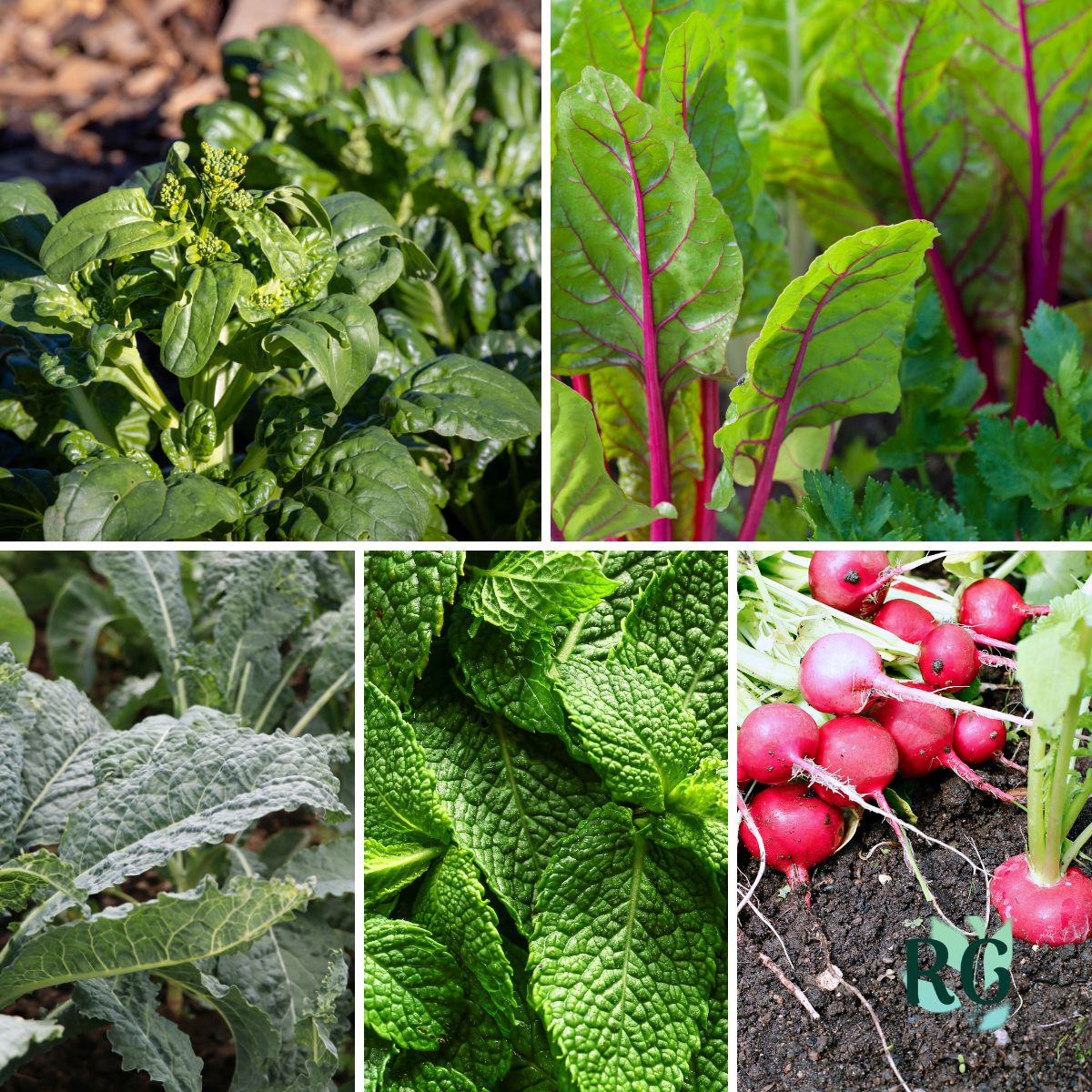
While fruiting crops like tomatoes, peppers, and melons require intense sunlight to set blossoms, crops grown primarily for their stems, leaves, and roots adapt remarkably well to dim environments. Shaded garden beds offer distinct advantages: soil stays cooler and retains moisture longer, high-summer heat stress is practically eliminated, and cool-season greens are far less likely to bolt or turn bitter.
Read Next
- Understanding "Total Shade" in Gardening Terms
- 1. Spinach (Spinacia oleracea)
- 2. Alpine Strawberries (Fragaria vesca)
- 3. Swiss Chard (Beta vulgaris subsp. vulgaris)
- 4. Radishes (Raphanus sativus)
- 5. Watercress & Upland Cress (Barbarea verna)
- 6. Kale (Brassica oleracea var. sabellica)
- 7. Mint & Woodsen Herbs (Mint, Lemon Balm, Chervil)
- Quick Comparison: Shade Crops at a Glance
- 3 Essential Rules for Shaded Garden Success
- 💬 Feedback
Understanding "Total Shade" in Gardening Terms
In agricultural terms, total shade (or deep, low-light shade) refers to areas receiving less than 2 to 3 hours of direct sunlight per day, or consistent indirect ambient light (dappled light filtering through tree canopies or bright reflected light off white walls).
While no edible plant grows in pitch darkness, these seven resilient crops will thrive where traditional sun-loving vegetables wither.
1. Spinach (Spinacia oleracea)
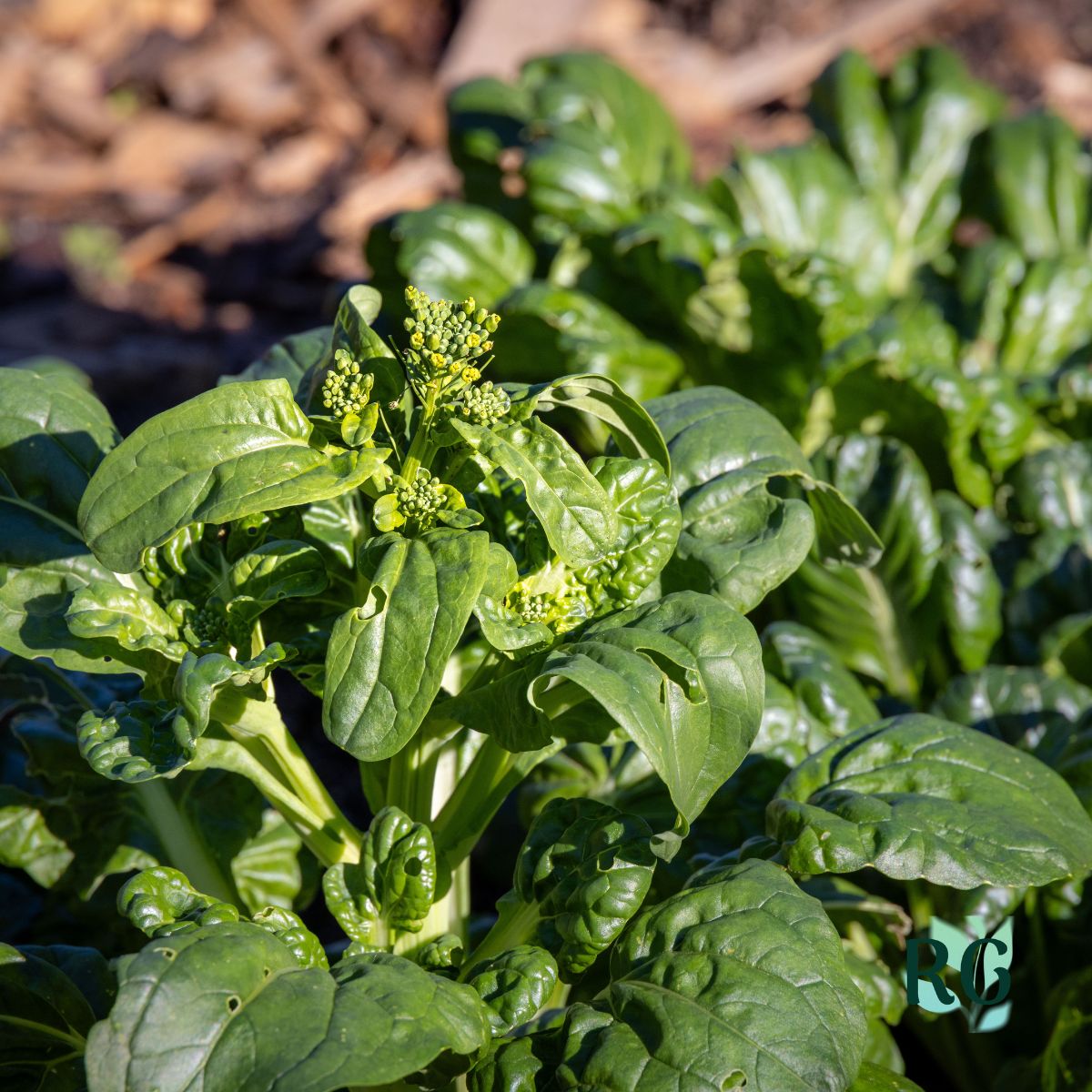
Spinach is notoriously sensitive to heat and long daylight hours, both of which trigger the plant to flower prematurely (bolt) and turn bitter. Growing spinach in full shade extends its growing window significantly. The cool conditions encourage lush, broad leaves and tender stems.
- Light Requirement: 2 hours of direct light, or full dappled/indirect shade.
- Best Varieties for Shade: Bloomsdale Long Standing, Space, and Tyee.
- Shade Advantage: In intense full sun, summer spinach rapidly bolts. In deep shade, it maintains sweet, succulent foliage straight through hot spells.
Harvest Strategy
Practice "cut-and-come-again" harvesting. Snipping the outer leaves while leaving the central growing point intact allows the plant to continually push out new, tender growth for weeks on end.
2. Alpine Strawberries (Fragaria vesca)
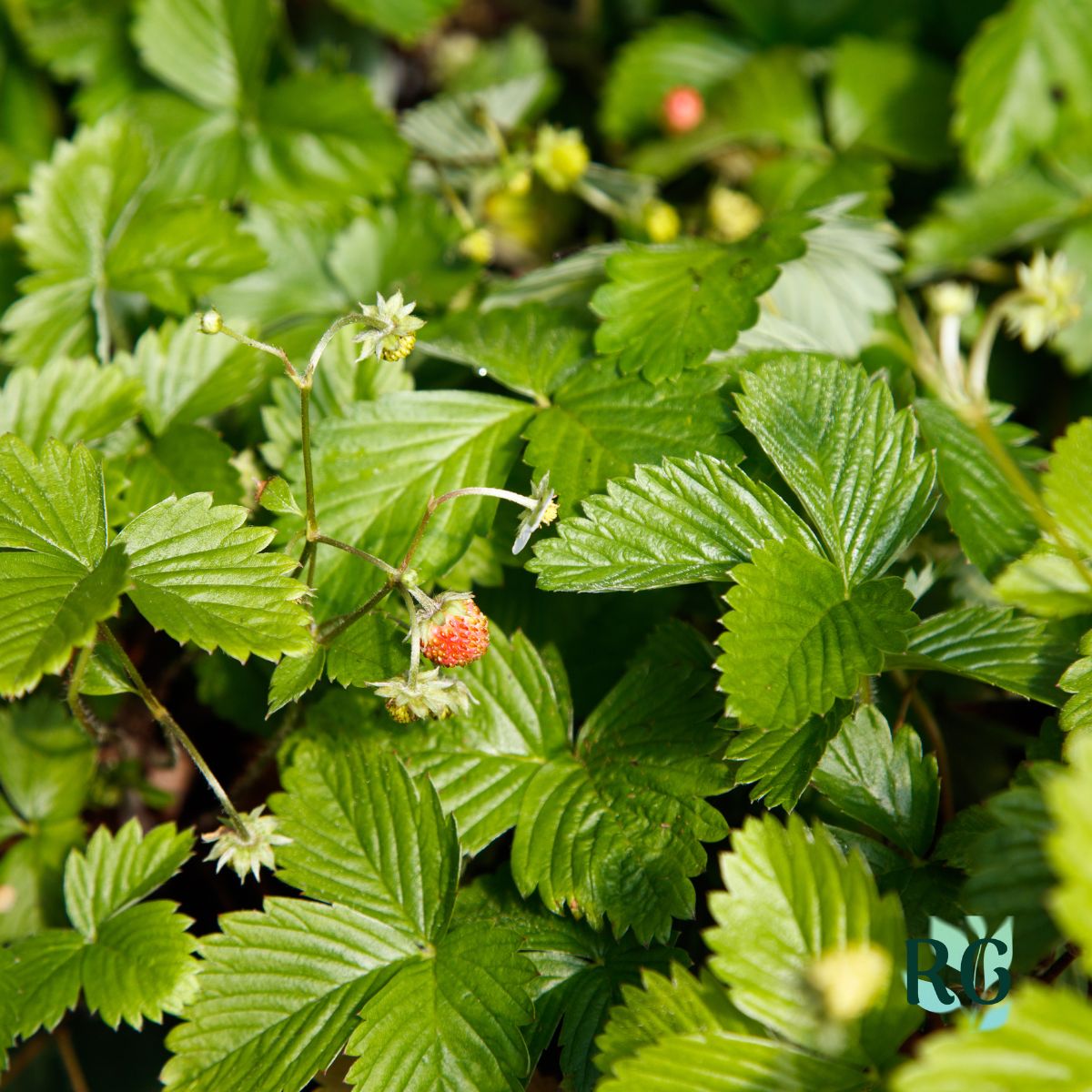
While standard garden hybrid strawberries demand full sun to produce large, sugary berries, wild and alpine strawberries are natural forest-understory plants. They evolved to grow beneath dense woodland canopies, making them uniquely capable of fruiting in low-light environments.
- Light Requirement: 2 to 3 hours of dappled light or bright indirect light.
- Best Varieties for Shade: Alexandria, Yellow Wonder, and Mignonette.
- Shade Advantage: Alpine varieties do not produce long trailing runners; instead, they form neat, clumping plants that produce continuous, intensely fragrant berries from spring through autumn.
3. Swiss Chard (Beta vulgaris subsp. vulgaris)
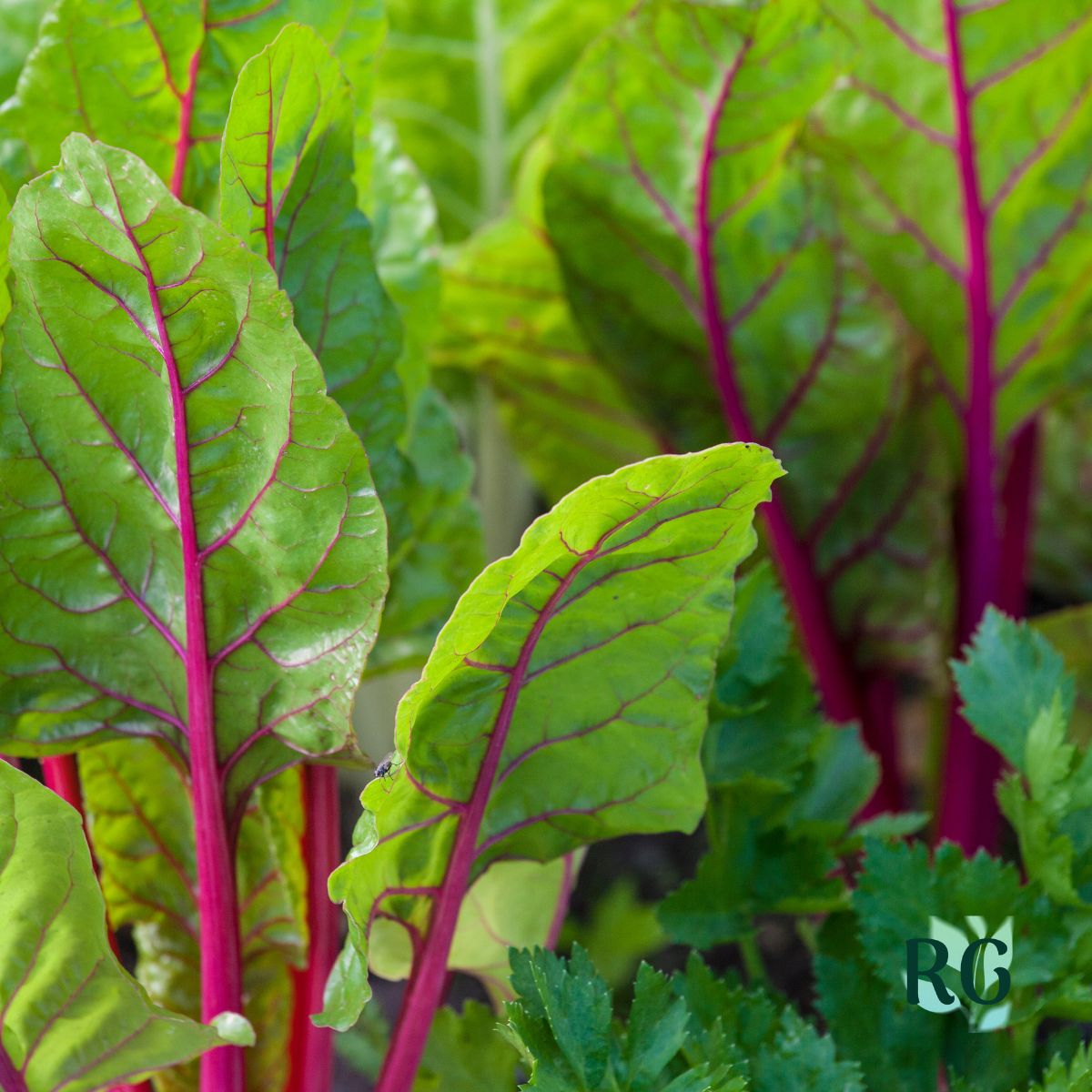
Swiss Chard is one of the most durable and visually striking greens you can plant in low-light microclimates. Highly tolerant of poor light conditions, it produces vibrant, glossy leaves with stems in vivid shades of red, yellow, pink, and white.
- Light Requirement: 2 to 3 hours of sun, or full bright indirect shade.
- Best Varieties for Shade: Bright Lights, Fordhook Giant, and Ruby Red.
- Shade Advantage: Leaves grown in shaded conditions tend to be significantly more tender and less fibrous than those exposed to intense, drying sunlight.
4. Radishes (Raphanus sativus)
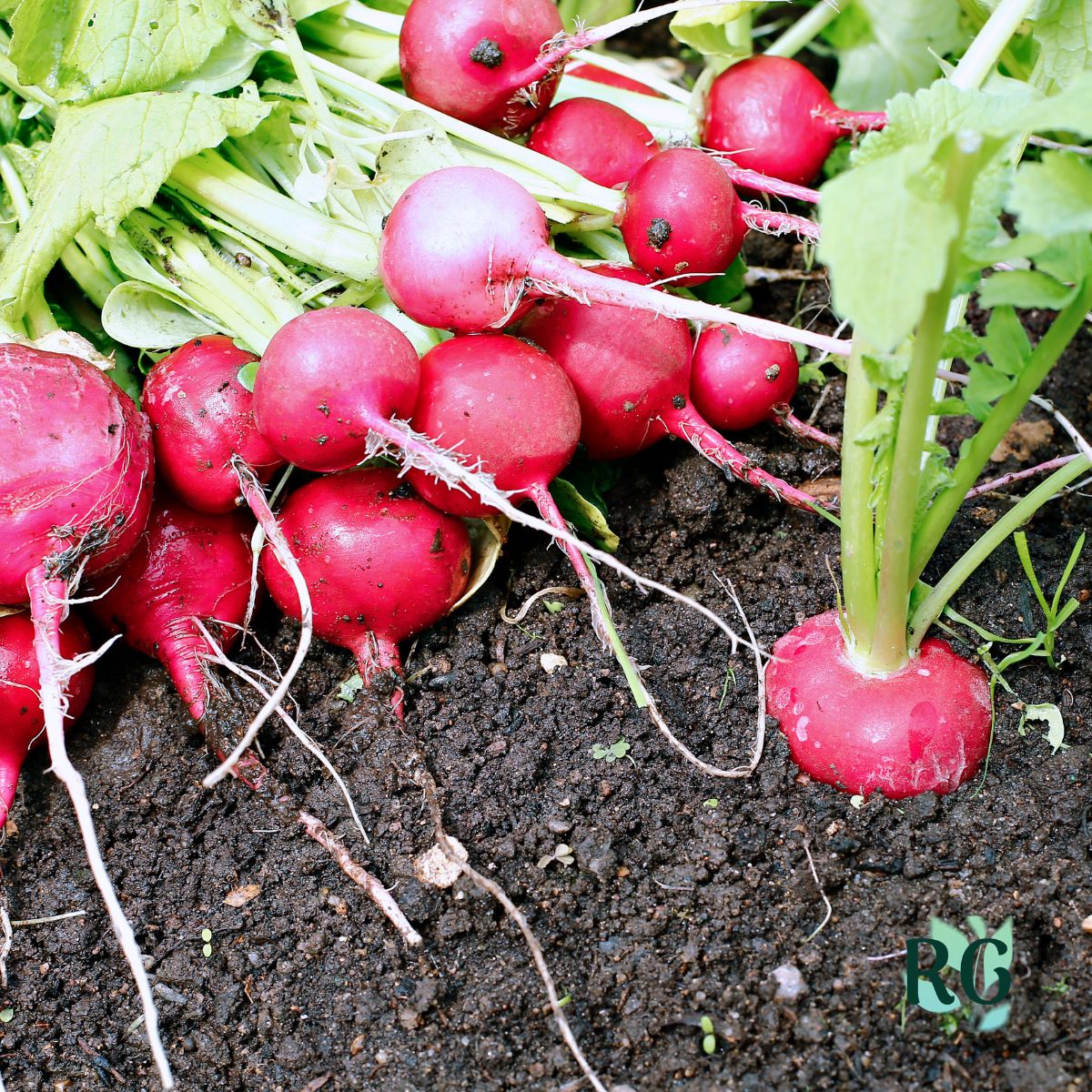
Radishes are celebrated for their lightning-fast maturity times, with many varieties reaching harvest size in as little as 21 to 28 days. In total shade, root development slows slightly, but the plants still reliably form crisp, peppery bulbs.
- Light Requirement: 2 to 3 hours of direct light or consistent indirect light.
- Best Varieties for Shade: French Breakfast, Cherry Belle, and Easter Egg.
- Shade Advantage: Shade prevents the soil from overheating, keeping root flesh crisp and juicy rather than pithy or overly fiery.
Growing Tip for Shaded Roots
Space radishes slightly wider in shaded beds (about 2 to 3 inches apart) to ensure individual plants don't compete for the limited light available.
5. Watercress & Upland Cress (Barbarea verna)
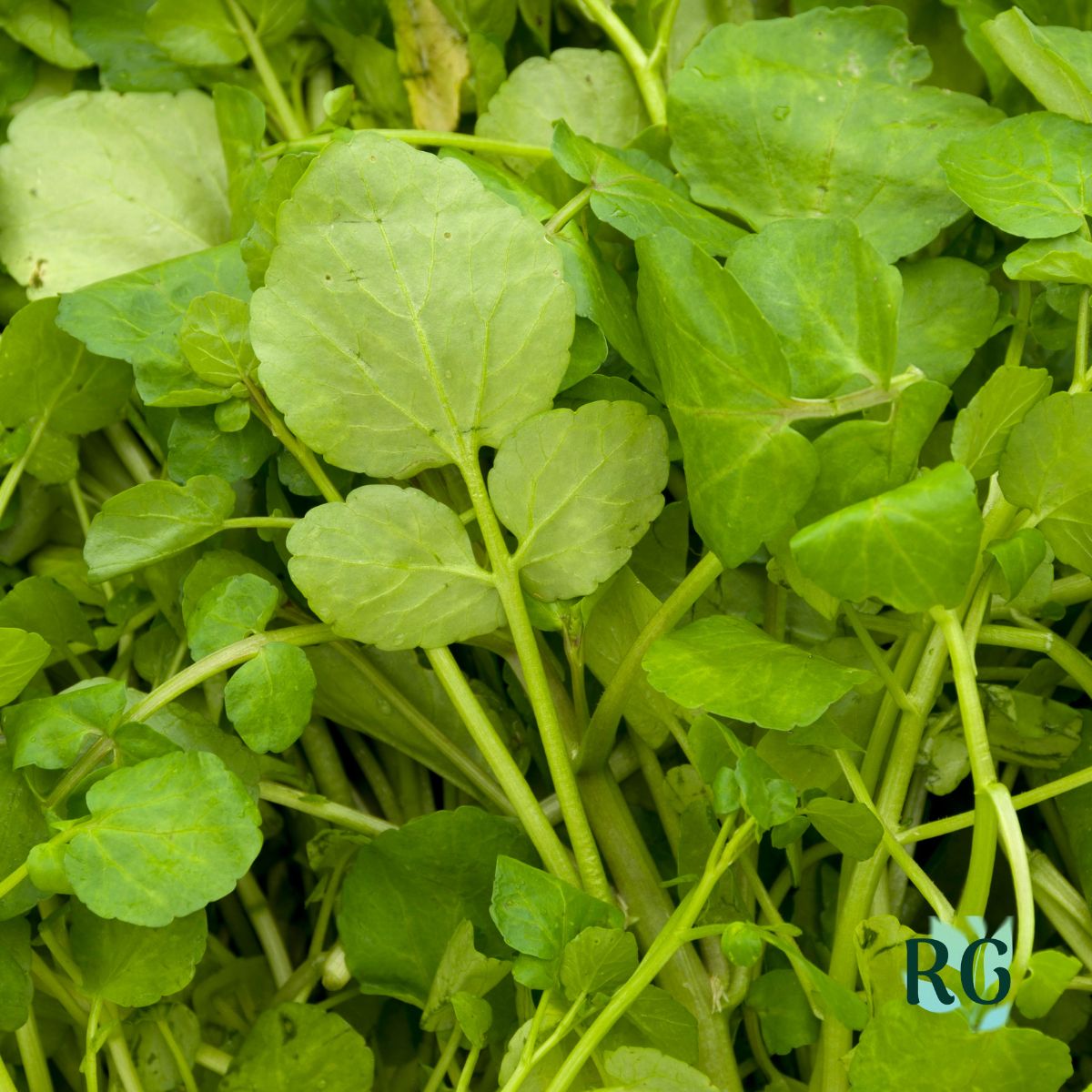
If you have a damp, shaded corner where nothing else seems to survive, cress is your ideal solution. Naturally adapted to stream banks and shady woodland bogs, cress thrives in moisture-rich, low-light environments.
- Light Requirement: Full shade to partial dappled light.
- Best Varieties for Shade: Broadleaf Watercress and Upland Cress (Dryland Cress).
- Shade Advantage: Excess sun causes cress foliage to become tough and excessively spicy. Shade maintains a delicate texture and a pleasant, bright, peppery bite.
6. Kale (Brassica oleracea var. sabellica)
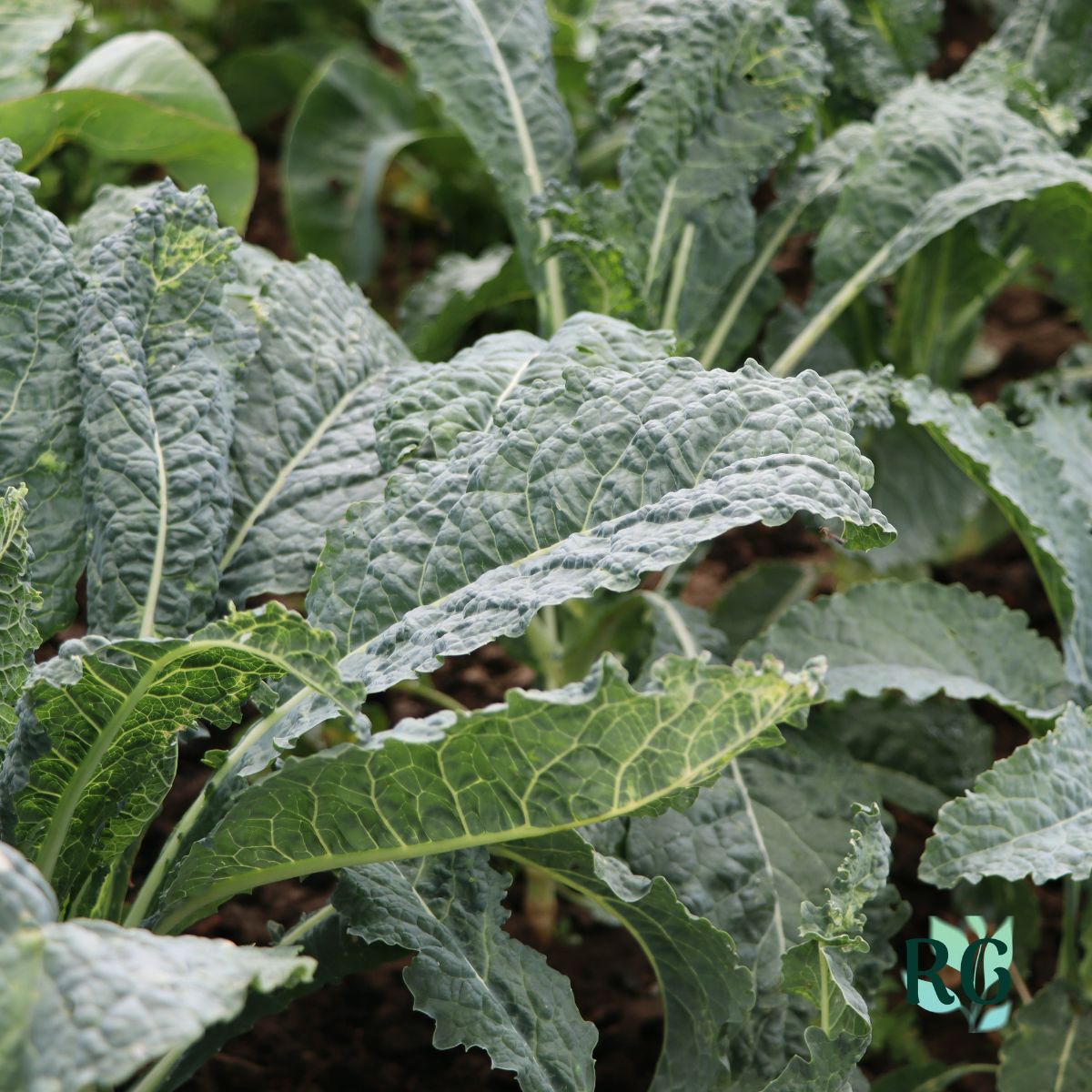
While kale can tolerate full sun, it is remarkably adaptable to deep shade zones. Although shaded kale plants may mature a bit more slowly and produce slightly smaller leaves, the trade-off is exceptional: tender, sweet greens that lack the tough, bitter ribs often found on sun-baked kale.
- Light Requirement: 2 to 3 hours of indirect or filtered light.
- Best Varieties for Shade: Lacinato (Dino/Tuscan Kale), Red Russian, and Dwarf Blue Curled.
- Shade Advantage: Cold air and shade work together to keep kale's natural sugars concentrated in the foliage, improving flavor and leaf texture.
7. Mint & Woodsen Herbs (Mint, Lemon Balm, Chervil)
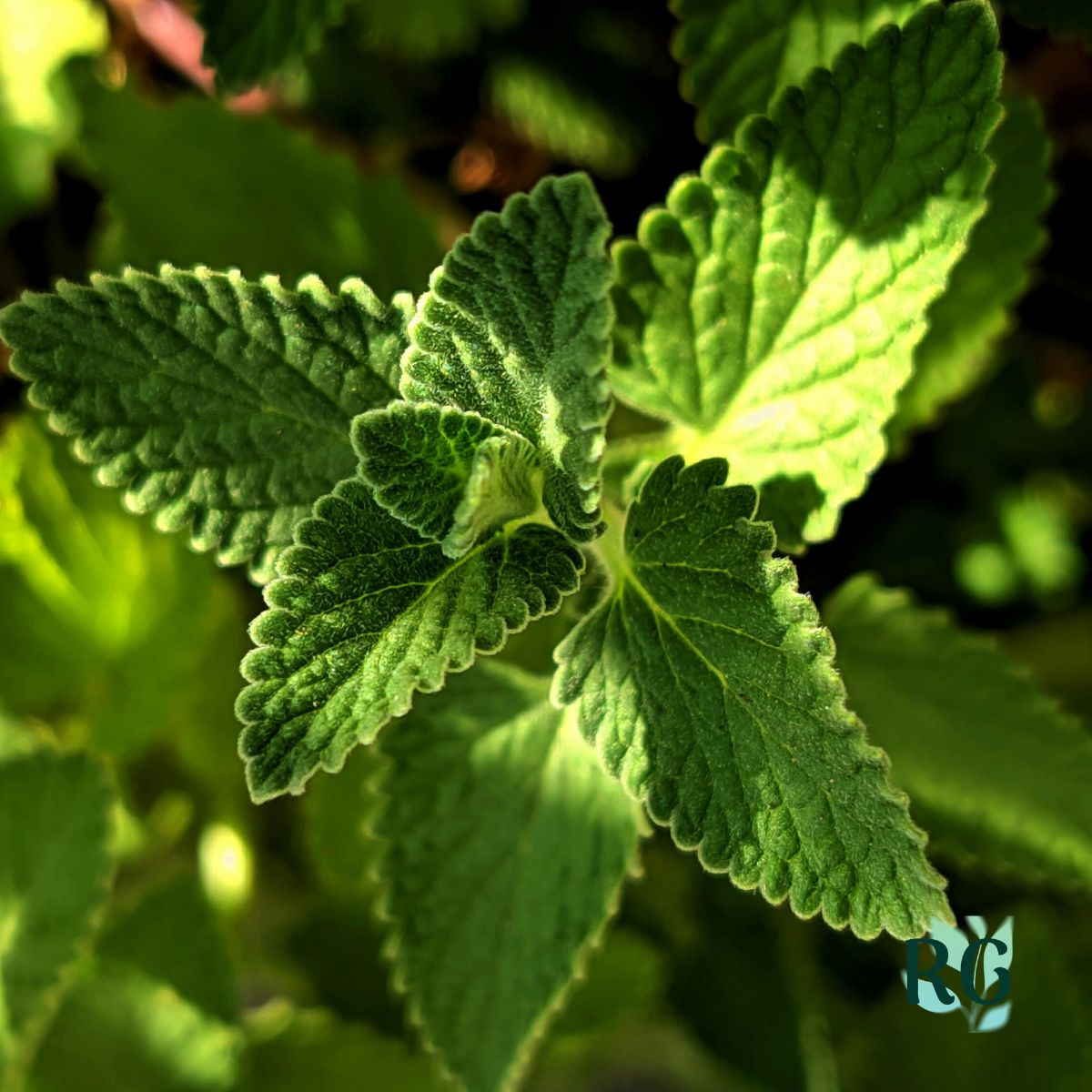
Many culinary herbs originate from the Mediterranean and demand scorching sun, but leafy herbs in the mint family (Lamiaceae) as well as delicate herbs like chervil thrive in low-light shade.
- Light Requirement: Full bright shade to 2 hours of direct light.
- Best Varieties for Shade: Spearmint, Peppermint, Lemon Balm, and Chervil (French Parsley).
- Shade Advantage: Mint and lemon balm can easily become invasive in full sun; shade naturally moderates their spread while preserving high concentrations of aromatic oils in their leaves.
Quick Comparison: Shade Crops at a Glance
| Crop | Light Tolerance | Harvest Window | Key Benefit of Shaded Growing |
| Spinach | Deep indirect shade | Spring through Autumn | Prevents early bolting and bitter foliage |
| Alpine Strawberries | Dappled shade | Continuous (Spring to Frost) | Woodland origin allows fruiting in low light |
| Swiss Chard | Bright indirect shade | Spring through Winter | Produces tender, highly colorful foliage |
| Radishes | Filtered sunlight | Fast (25–35 days) | Keeps roots crisp and prevents pithiness |
| Watercress | Full shade | Continuous | Thrives in cool, damp, low-light corners |
| Kale | Deep indirect shade | Continuous | Yields tender leaves with reduced bitterness |
| Chervil & Mint | Full shade | Spring to Autumn | Moderate growth rate; rich aromatic oils |
3 Essential Rules for Shaded Garden Success
- Watch Out for Slugs and Snails: Cool, damp, shaded environments are prime habitats for garden pests. Keep beds clean of dead debris, lift pots off the ground, and use organic controls like iron phosphate bait or copper tape around bed borders.
- Adjust Water Levels Carefully: Because shaded beds experience minimal evaporation from direct sun, the soil retains water much longer. Always check soil moisture 2 inches down before watering to avoid waterlogging and root rot.
- Maximize Ambient Light Reflection: Paint nearby fence boards, brickwork, or garden walls white or light colors. Reflective surfaces bounce ambient sunlight back onto crop foliage, effectively boosting overall light absorption without introducing scorching heat.
Comments
No Comments