Having a limited footprint doesn’t mean settling for a sparse harvest. If your outdoor space consists of a small patio, a narrow side yard, or a tiny suburban plot, the key to maximum food production isn't expanding outward: it’s growing up.
Vertical gardening turns bare walls, fences, and simple arches into high-yielding crop zones. By training sprawling vines and climbing varieties upward, you dramatically increase air circulation, reduce soil-borne fungal diseases, make harvesting effortless, and multiply your total yield per square foot.
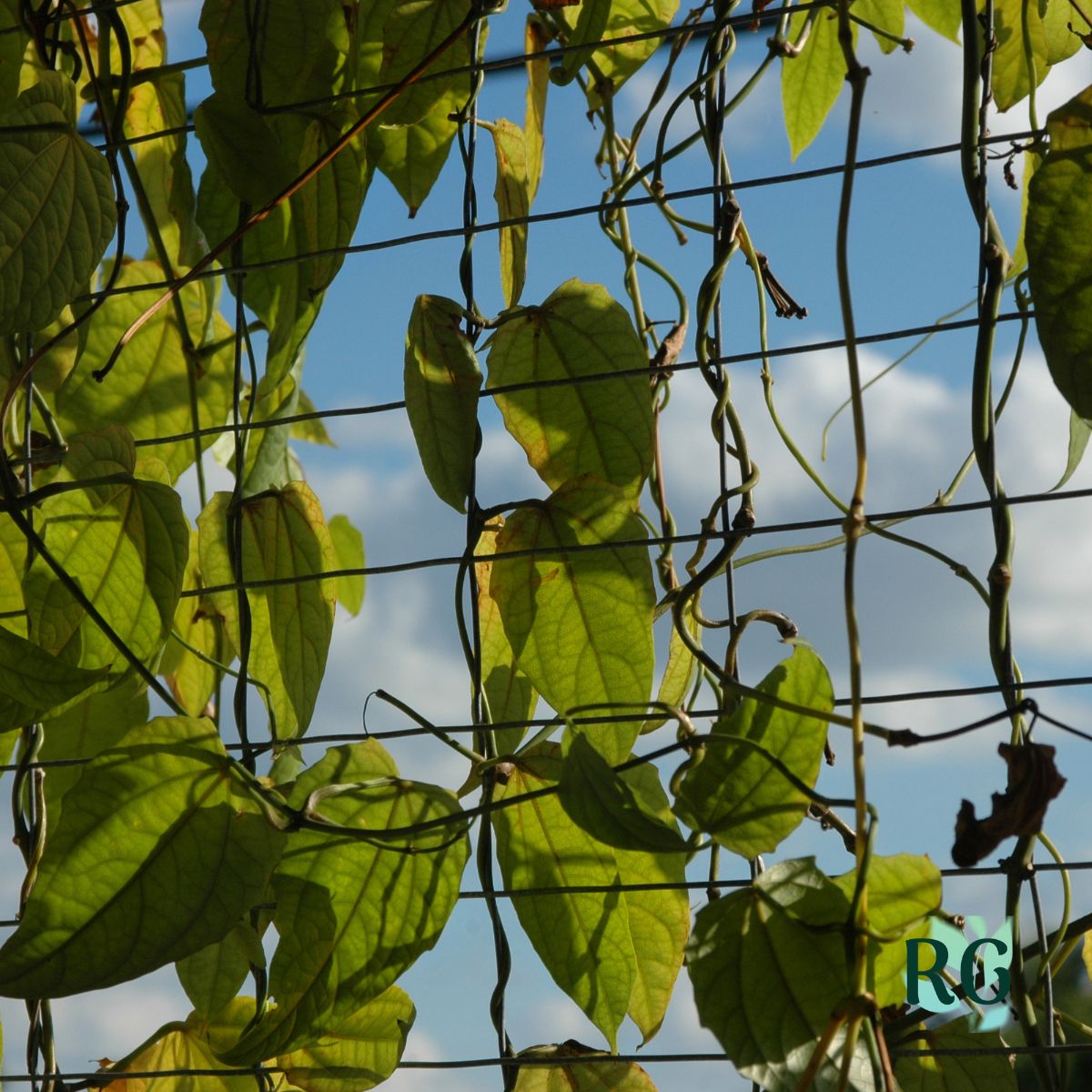
Here are five of the highest-yielding vegetables to grow vertically, complete with practical trellis strategies and harvest tips for small spaces.
Read Next
1. Pole Beans (Phaseolus vulgaris)
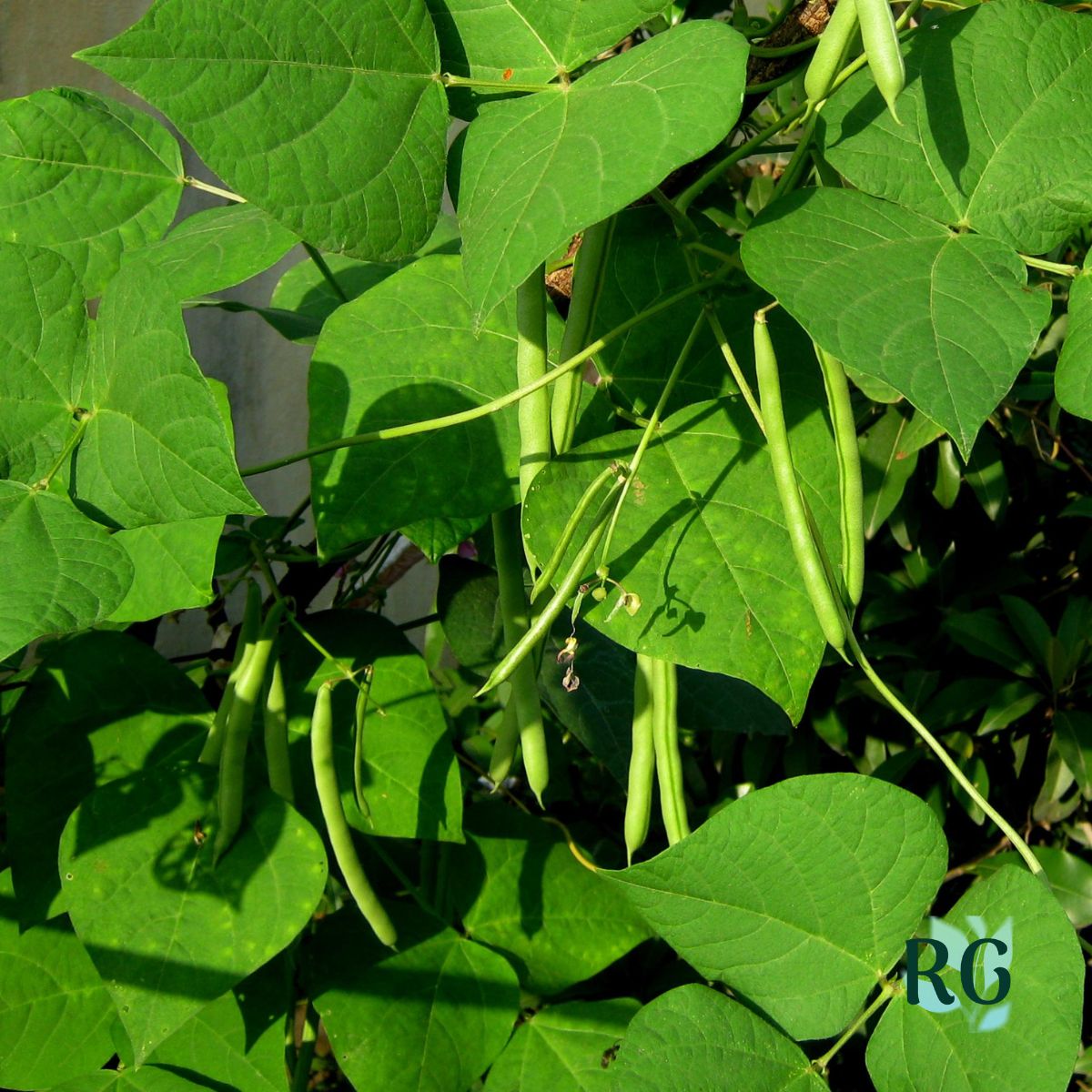
While bush beans yield their crop all at once over a brief two-to-three-week window, pole beans produce continuously from mid-summer straight until the first hard frost. A single four-foot section of vertical trellis planted with pole beans can easily out-produce a massive patch of bush beans.
- Best High-Yield Varieties: Kentucky Wonder, Blue Lake Pole, and Rattlesnake Bean.
- Support System: Cattle panel arches, bamboo tepees, or string trellises attached to a high fence line.
- Vertical Growth Habit: Natural climbers. They use twining tendrils to wrap counter-clockwise around supports without requiring heavy tying.
Pro Tip for Maximum Yield
Harvest every 2 to 3 days once production begins. Leaving overripe, leathery pods on the vine signals the plant to stop setting new blossoms and focus energy on seed production. Continuous picking keeps the plant in a perpetual state of flowering.
Best Pole Bean Varieties By Zone
| USDA Zone Range | Best Varieties | Maturity Days | Key Growing Characteristics |
| Short Seasons (Zones 3–5) | Seychelles, Rattlesnake | 55–65 days | Fast to produce; germinates well in cooler spring soil. |
| Moderate Seasons (Zones 6–8) | Kentucky Wonder, Blue Lake Pole | 65–75 days | Prolific heavy yielders; continuous production until frost. |
| Hot / Long Seasons (Zones 9–11) | Yardlong Bean, Fortex | 75–80+ days | Exceptional heat and humidity tolerance; doesn't drop blossoms in 90°F+ weather. |
2. Indeterminate Tomatoes
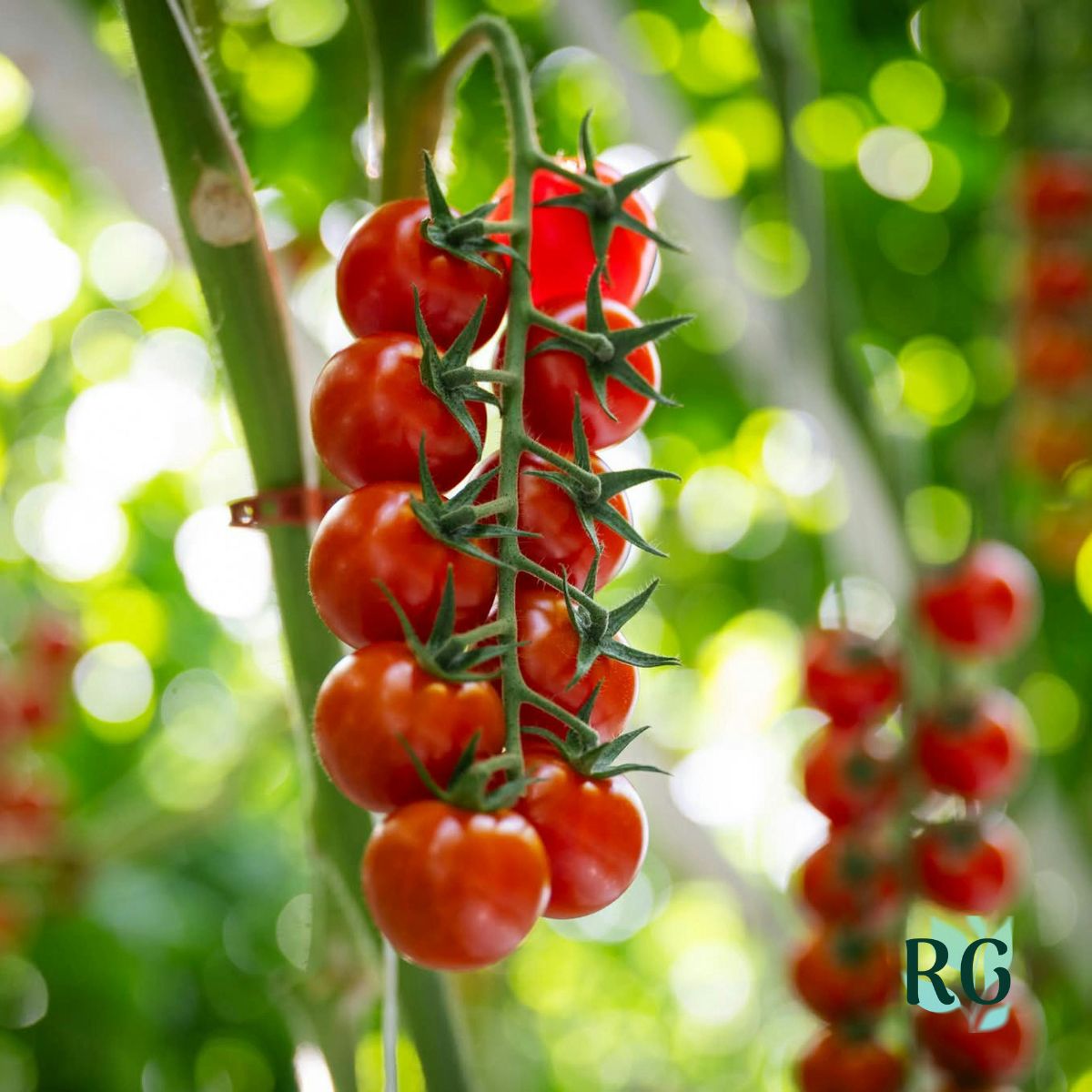
Tomatoes are categorised into two main growth habits: determinate (bush varieties that grow to a set height and ripen all at once) and indeterminate (vines that continue growing, blooming, and setting fruit until frost stops them). For maximum yield over time, indeterminate varieties on tall supports are unrivaled.
- Best High-Yield Varieties: Sungold (cherry), Super Sweet 100, Brandywine, and Cherokee Purple.
- Support System: Heavy-duty tall wooden stakes, tall wire cages anchored securely, or a string trellis system utilizing rollerhooks/clips on a sturdy frame.
- Vertical Management: Prune all lower suckers: the side shoots that sprout in the "V" crotch between the main stem and branch leaves. Focus the plant’s energy into 1 or 2 main vertical leaders tied securely to your support every 12 inches.
Why It Works in Small Spaces
Training indeterminate tomatoes vertically opens up the canopy, letting sunlight reach every fruit cluster while preventing stagnant airflow near the soil: the primary cause of early blight and powdery mildew.
Best Indeterminate Tomatoes Varieties By Zone
| USDA Zone Range | Best Varieties | Maturity Days | Key Growing Characteristics |
| Short Seasons (Zones 3–5) | Glacier, Stupice, Moskovich | 55–65 days | Cold-tolerant fruit set; ripens reliably before early autumn frosts. |
| Moderate Seasons (Zones 6–8) | Sungold, Super Sweet 100, Cherokee Purple | 65–80 days | Unmatched flavor and massive production over a long mid-summer window. |
| Hot / Long Seasons (Zones 9–11) | Tropic, Heatwave II, Solar Set | 75–85 days | Bred to set fruit during extreme heat; high resistance to southern blights and humidity. |
3. Vining Cucumbers
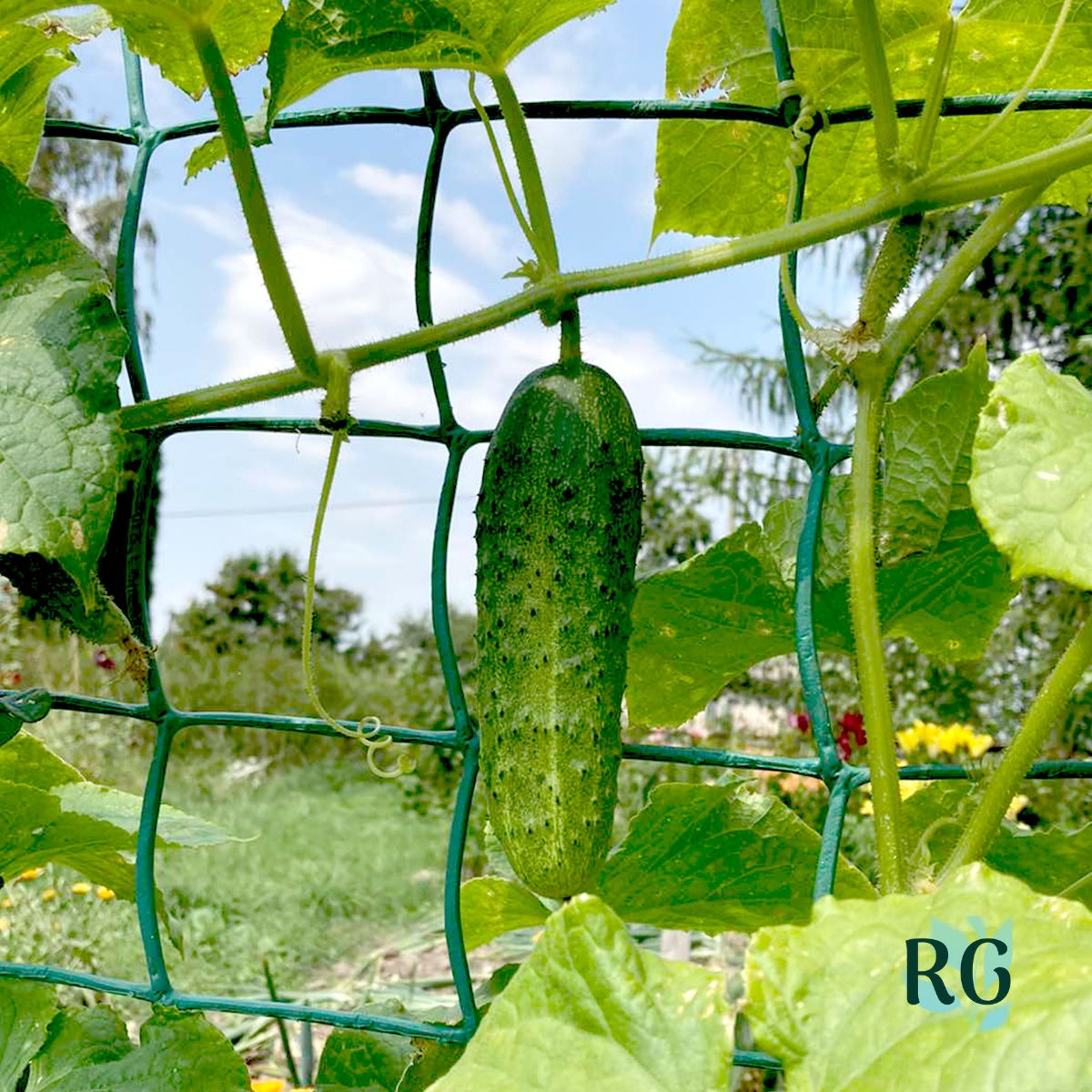
Cucumbers left to sprawl on the ground take up massive real estate, and the fruit often ends up yellowed, dirty, or damaged by ground insects and slugs. Growing cucumbers vertically yields straighter, uniform, uniformly green fruit while keeping the vine's footprint down to just a few inches of soil.
- Best High-Yield Varieties: Marketmore 76, Lemon Cucumber, Suyo Long, and National Pickling.
- Support System: A-frame trellises, slanted mesh frames, or sturdy netting tied between wooden posts.
- Vertical Management: Cucumbers have natural tendrils that grasp fine mesh, but heavy fruit-bearing branches need occasional guidance or loose soft-tie strapping to hold fast during strong winds.
Micro-Climate Advantage
Planting on an A-frame trellis allows you to use the shaded under-canopy for quick-crop heat-sensitive greens like spinach, butterhead lettuce, or radishes during the height of mid-summer heat.
Best Vining Cucumbers Varieties By Zone
| USDA Zone Range | Best Varieties | Maturity Days | Key Growing Characteristics |
| Short Seasons (Zones 3–5) | Little Leaf H-19, Marketmore 76 | 50–58 days | Fast-maturing, compact vines that thrive in shorter summer windows. |
| Moderate Seasons (Zones 6–8) | Suyo Long, Lemon Cucumber | 60–65 days | Highly vigorous climbers with long harvest windows and excellent disease resistance. |
| Hot / Long Seasons (Zones 9–11) | Armenian Cucumber, Poona Kheera | 60–70 days | Remains crisp and sweet without turning bitter in scorching mid-summer temperatures. |
4. Climbing Peas (Sugar Snap & Snow Peas)
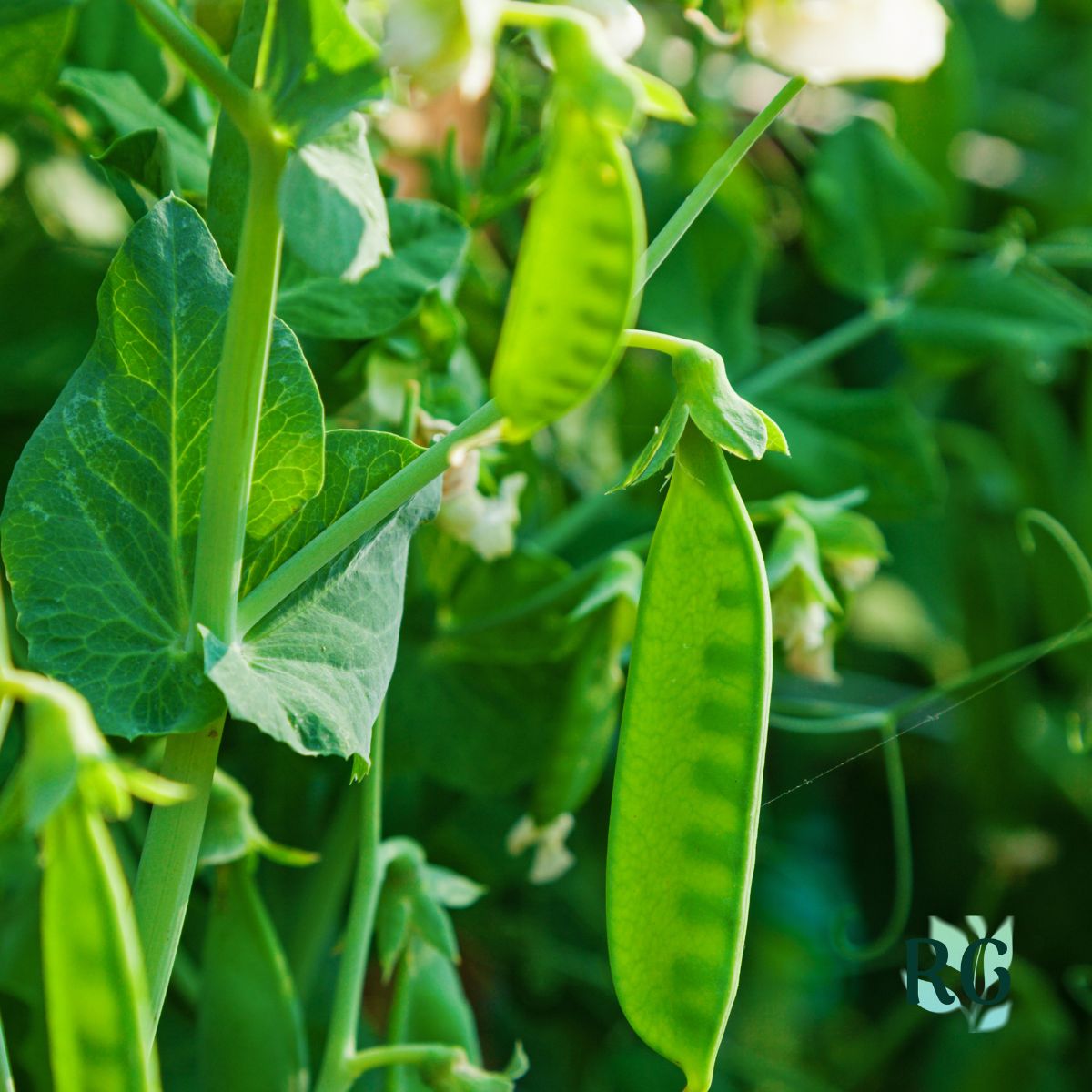
Peas are the ultimate early-spring and cool-autumn vertical crop. Because they thrive before tomatoes and cucumbers can even go into the ground, climbing pea varieties let you capture high early-season production in small garden setups.
- Best High-Yield Varieties: Super Sugar Snap, Telephone (Tall Telephone/Alderman), and Mammoth Melting Sugar.
- Support System: Fine jute twine netting, chicken wire, or thin brush branches ("pea sticks").
- Vertical Growth Habit: Peas grab onto supports using delicate, slender tendrils. They require much thinner support structures than thick wooden stakes or heavy cattle panels: twine mesh is ideal.
Seasonal Rotation Strategy
Plant vertical peas in early spring. Once the summer heat sets in and pea production wraps up in late May or June, pull the vines and immediately plant climbing warm-weather crops like pole beans or vining squash along the very same vertical structure.
Best Climbing Peas Varieties By Zone
| USDA Zone Range | Best Varieties | Maturity Days | Key Growing Characteristics |
| Short Seasons (Zones 3–5) | Oregon Sugar Pod II, Little Marvel | 55–60 days | Quick spring-to-harvest cycle before summer heat sets in. |
| Moderate Seasons (Zones 6–8) | Tall Telephone (Alderman), Super Sugar Snap | 65–70 days | Vigorous 6ft+ tall vines that produce heavy yields through cool spring weather. |
| Hot / Long Seasons (Zones 9–11) | Wando, Sugar Ann | 55–60 days | Significantly more heat-resistant than other varieties for warm spring climate. |
5. Small Vining Squash & Personal-Sized Melons
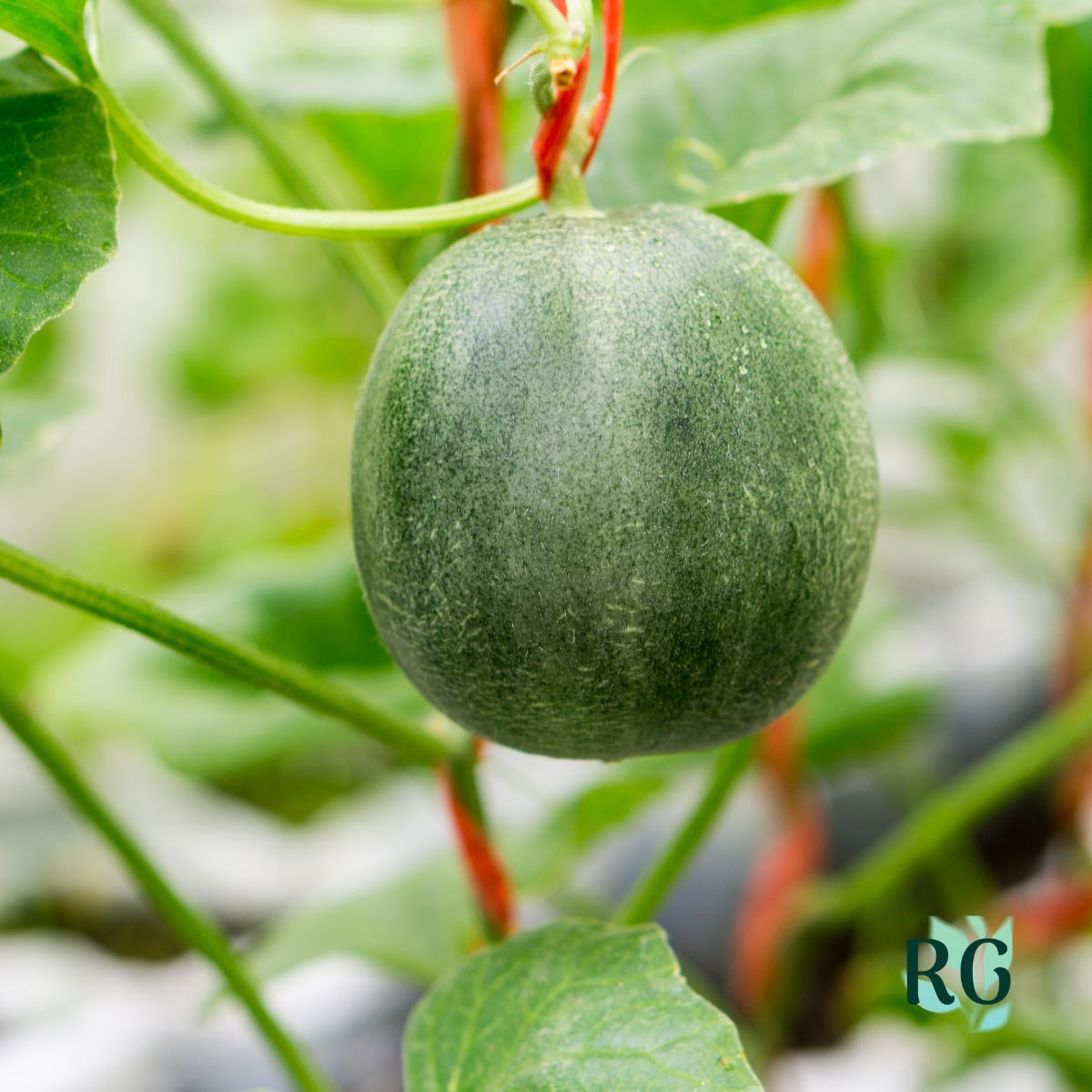
Many gardeners assume winter squash, pumpkins, and melons are out of the question for tiny backyards because of their sprawling multi-foot footprint. However, vining winter squash and small-fruited melons climb trellises readily, keeping heavy foliage off the ground and dangling clean, blemish-free fruit in mid-air.
- Best High-Yield Varieties: Honeynut Squash, Delicata, Sugar Baby Watermelon, and Minnesota Midget Cantaloupe.
- Support System: Heavy-gauge cattle panels, welded wire fencing, or reinforced arbors anchored securely into the ground or raised beds.
- Fruit Support Note: Fruit weighing over 3 to 4 pounds (like small watermelons or larger winter squash) can put stress on the main vine. Simple slings fashioned from scrap cotton fabric, old t-shirts, or mesh netting cradling the fruit and tied to the trellis provide necessary weight support.
Best Small Vining Squash & Melons Varieties By Zone
| USDA Zone Range | Best Varieties | Maturity Days | Key Growing Characteristics |
| Short Seasons (Zones 3–5) | Delicata, Minnesota Midget Cantaloupe | 70–80 days | Compact fruit that matures quickly within short, cool-summer windows. |
| Moderate Seasons (Zones 6–8) | Honeynut Squash, Sugar Baby Watermelon | 80–90 days | High-yielding personal-sized fruits ideal for trellis hanging with slings. |
| Hot / Long Seasons (Zones 9–11) | Seminole Pumpkin, Charentais Melon | 85–100+ days | Superior resistance to squash vine borers, powdery mildew, and extreme humidity. |
3 Gold Rules for High-Yield Vertical Gardening
- Orient for Sun Exposure: Position tall vertical structures on the north or west side of your small garden plot. This prevents tall trellis walls from casting long shadows over shorter root crops, herbs, or leafy greens during peak morning and mid-day sun.
- Heavy Feeders Need Heavy Nutrition: Growing high yields in small soil footprints means root competition is concentrated. Amend soil generously with rich compost, and feed vertical crops regularly with balanced organic fertilizers or compost teas throughout their active fruiting phase.
- Anchor for Wind Load: A vertical trellis laden with heavy foliage and ripe fruit acts like a sail in strong winds. Always sink metal T-posts, wooden stakes, or framing deep into the ground or fasten supports directly to solid fences or sturdy building walls.
Quick Comparison: Vertical Crops for Small Spaces
| Crop | Best Vertical Support | Harvest Window | Key Advantage in Small Spaces |
| Pole Beans | String trellis, Cattle panel | Mid-summer to Frost | Continuous yield; nitrogen-fixing for soil |
| Indeterminate Tomatoes | Tall heavy stakes, String clips | Mid-summer to Frost | Maximizes single-stem fruit production per sq ft |
| Vining Cucumbers | A-frame, Mesh netting | Early summer to Autumn | Straight, spotless fruit; allows under-canopy intercropping |
| Climbing Peas | Fine jute netting, Wire mesh | Spring & Late Autumn | Captures early-season yields before warm crops start |
| Small Vining Squash | Heavy cattle panel arbors | Late Summer / Autumn | Keeps massive vines elevated, saving 20+ sq ft of floor space |
By utilizing vertical space, even the smallest patio or tiny backyard garden can produce hundreds of pounds of fresh, high-quality produce every season.
Comments
No Comments