Every spring, standard gardening advice demands the same tedious routine: buy seed packets, set up indoor grow lights under the stairs, nurse fragile seedlings for weeks, and pray an unexpected late frost doesn't wipe out your hard work.
What if you skipped the middleman entirely?
In nature, nobody buys seed trays or meticulously spaces crops in perfect 12-inch rows. Plants grow, flower, drop their seeds, and return year after year automatically. By leaning into this natural cycle, often called "volunteer gardening," you can turn your vegetable patch into a self-sustaining system that feeds you season after season with a fraction of the effort.
Read Next
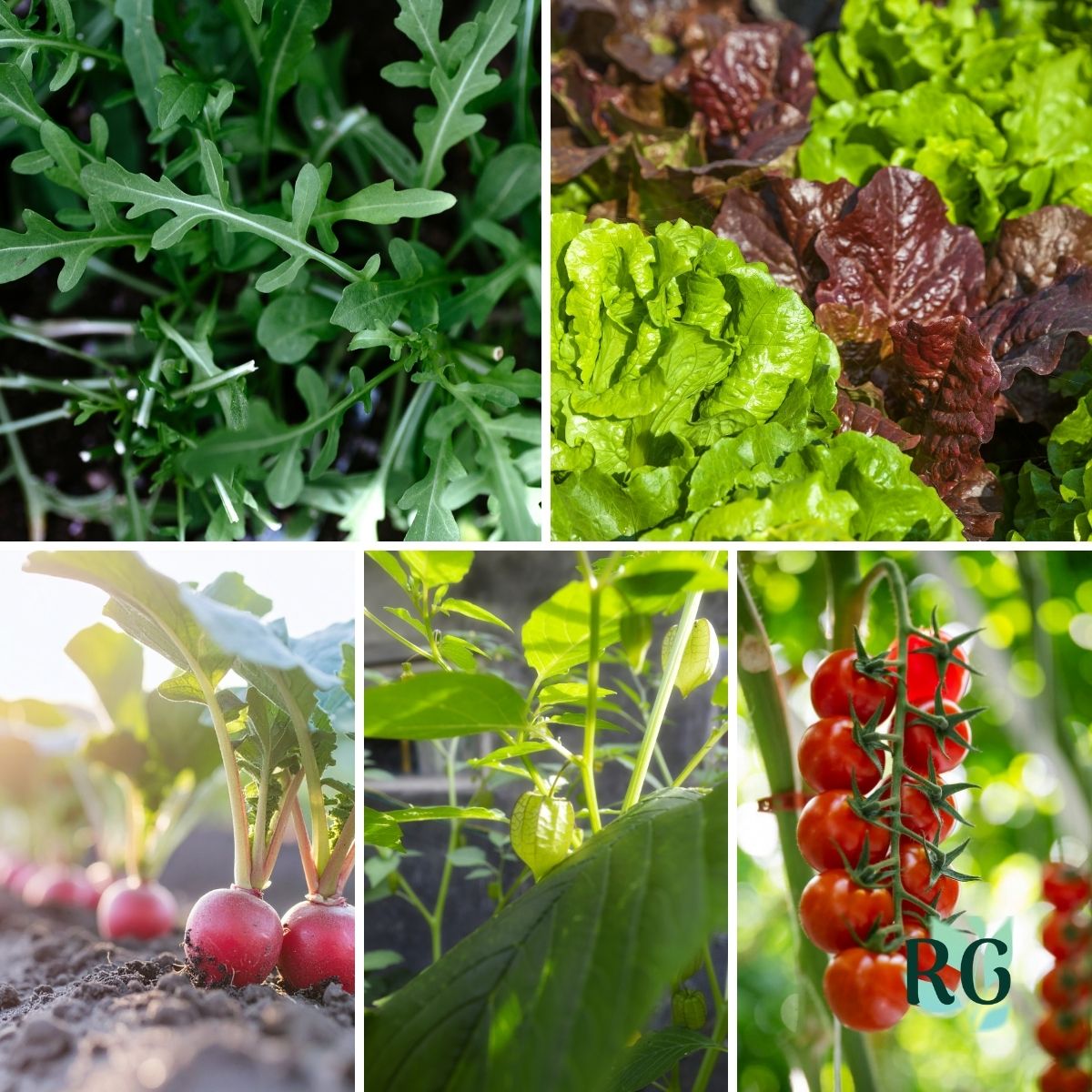
Here are 5 tough, high-yielding vegetables that will gladly take over the job of replanting themselves for you.
1. Cherry Tomatoes (Solanum lycopersicum)
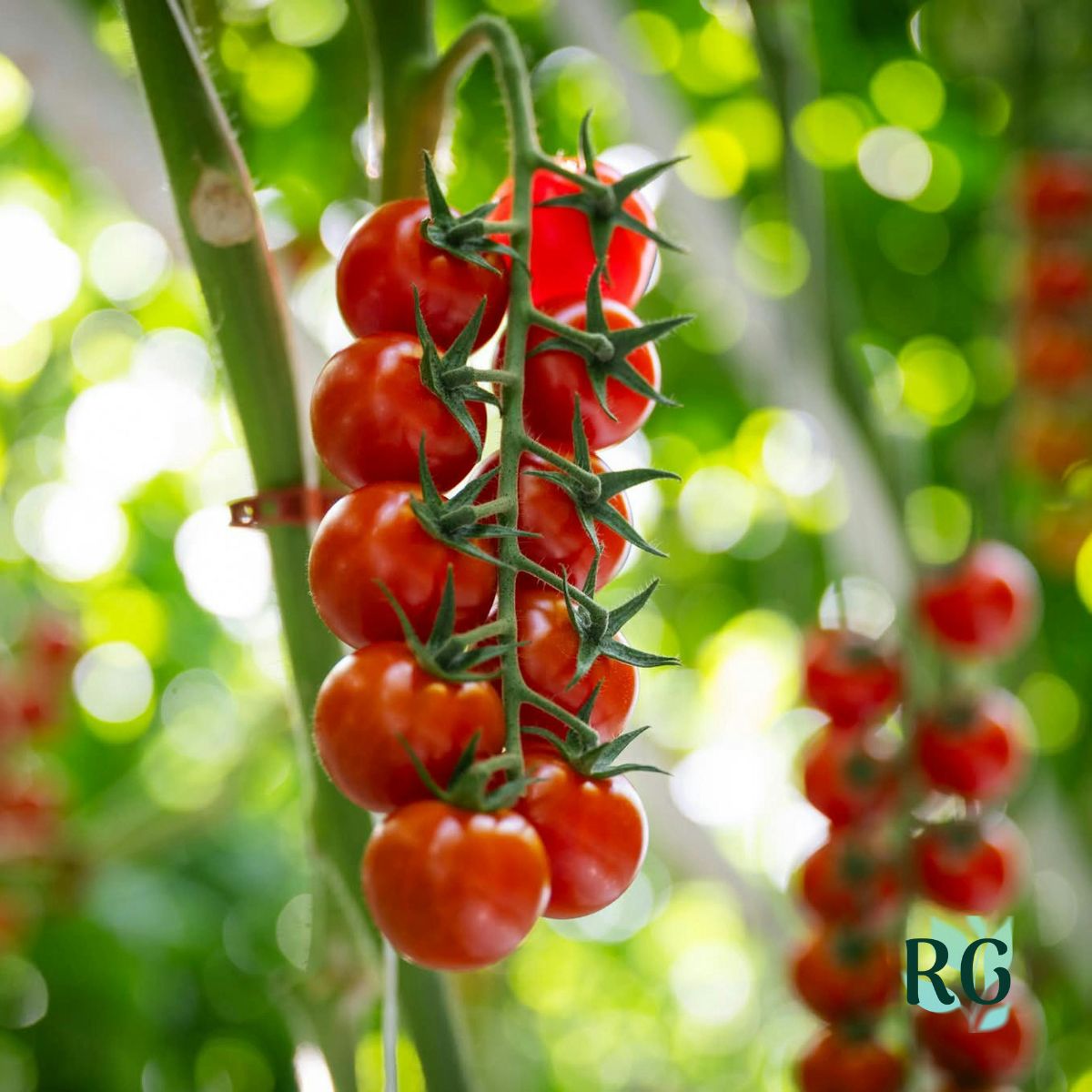
If you have ever missed a single fallen cherry tomato during late-summer harvesting, you likely already have self-seeding tomatoes. You just haven't let them grow yet.
Why They Excel at Self-Seeding
Cherry tomatoes drop dozens of fruit containing hundreds of seeds wrapped in a protective gel. Over winter, the outer fruit decays, and the soil freezes and thaws, breaking down the seed coating naturally. When late spring soil temperatures hit around 65°F (18°C), dozens of tiny tomato shoots will pop up in a cluster right where the fruit rotted.
How to Manage Them
- The "Step on It" Trick: In autumn, deliberately crush 3 to 4 overripe cherry tomatoes into the soil where you want tomatoes next year.
- Thin Early: Volunteers will sprout in dense clusters. Thin them down to the single strongest seedling per spot once they reach 3 inches tall, otherwise they will crowd each other out.
Pro Tip: Heirloom varieties like Black Cherry or Gardener’s Delight will breed true to seed. Hybrid varieties (like Sun Gold) will still self-seed, but the fruit might look or taste slightly different than the parent plant.
2. Arugula (Eruca vesicaria)
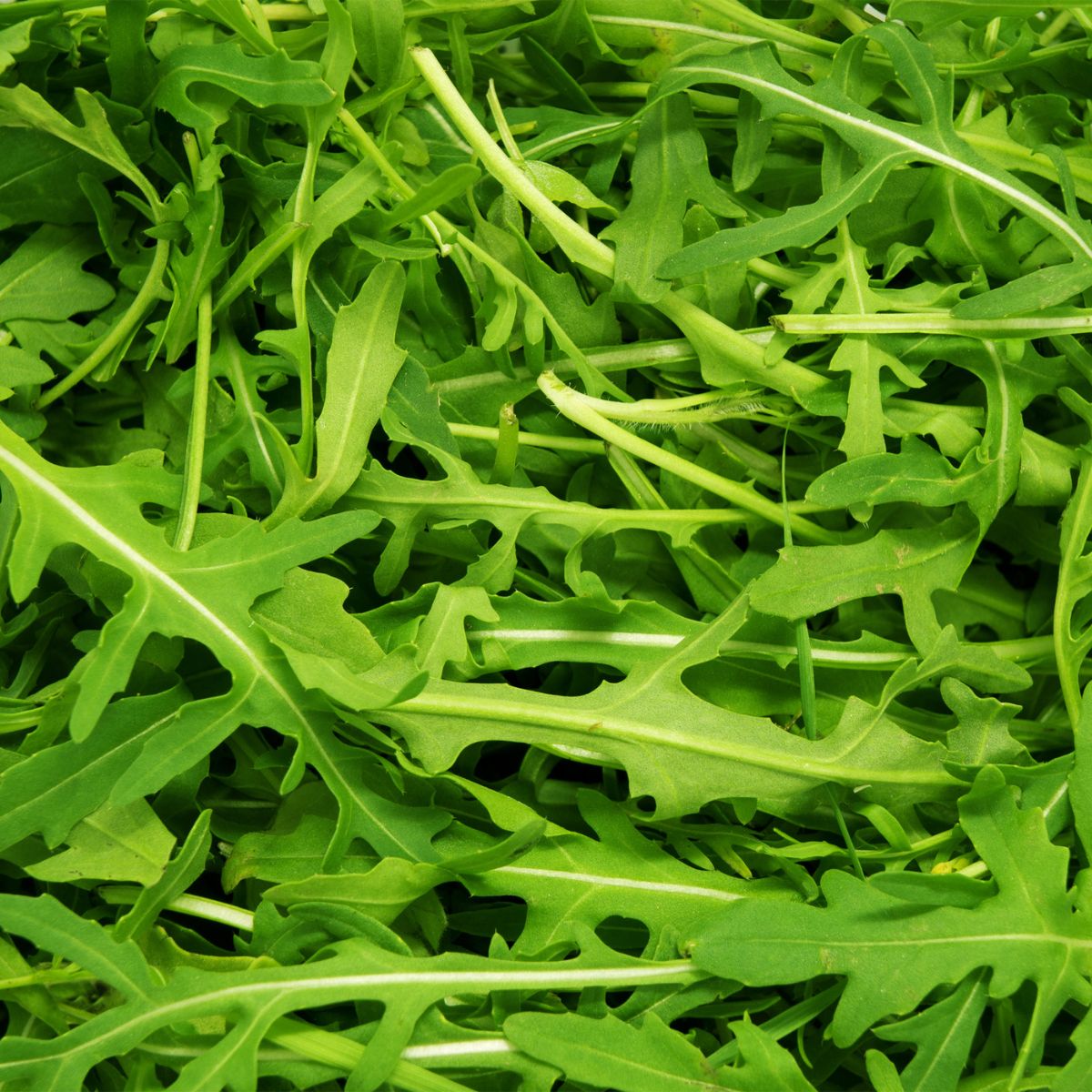
Arugula is practically a weed in the best possible way. While cold weather makes it sweet and tender, the heat of early summer triggers it to bolt, sending up tall stalks with pale yellow or white flowers.
Why They Excel at Self-Seeding
Once arugula bolts, it forms narrow seed pods containing dozens of tiny, durable seeds. When the pods dry out in mid-summer, they snap open and scatter seeds across the soil. With the first autumn rain, a fresh crop of salad greens appears without you raising a finger.
How to Manage Them
- Leave 2 to 3 Plants Alone: Don't pull up your entire arugula bed when it starts bolting. Leave a couple of plants to flower. Pollinators will love them, and they will supply enough seed for the entire garden.
- Keep Soil Bare: Arugula seeds need good soil contact. Avoid heavy bark mulch directly beneath bolting plants so the dropped seeds can reach the soil.
3. Radishes (Raphanus sativus)
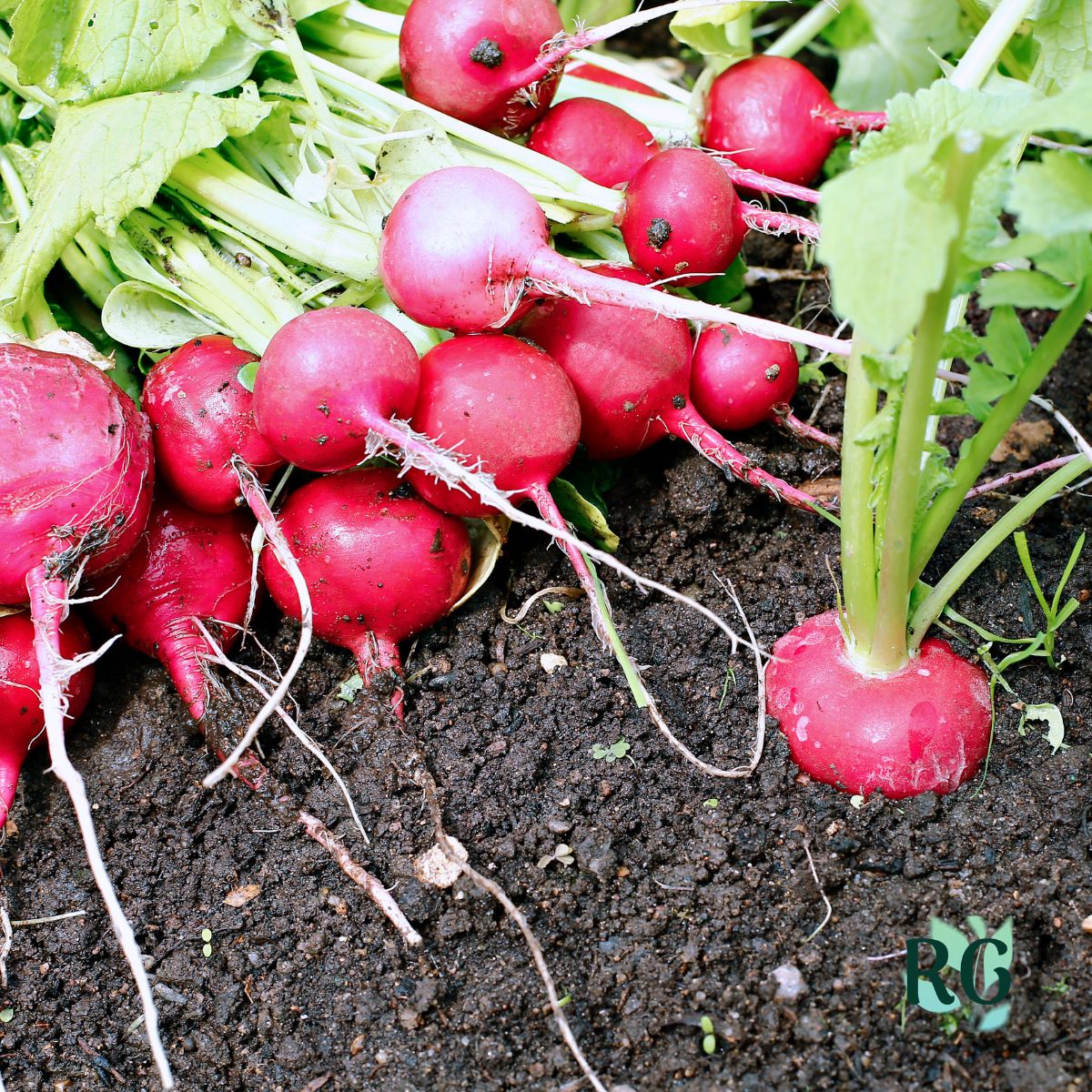
Most gardeners harvest radishes when the root is plump and pink, never seeing what the plant does next. If left in the ground, a single radish expands into a sprawling 3-foot bush covered in edible seed pods and pollinator-friendly blossoms.
Why They Excel at Self-Seeding
Radish seed pods dry on the plant into papery, light shells that drop to the ground. They survive tough winter conditions effortlessly and sprout early in spring, often weeks before you would have thought to plant your first seeds manually.
How to Manage Them
- Eat the Pods First: The young green seed pods of radishes, often called rat-tail pods, are crisp, spicy, and delicious in salads. Eat 80% of them, but leave the remaining 20% to turn brown and papery.
- Crush and Scatter: In dry autumn weather, snap off the dry stalks and rub them between your hands over the soil to disperse the seeds manually where you want a spring crop.
4. Ground Cherries (Physalis pruinosa)
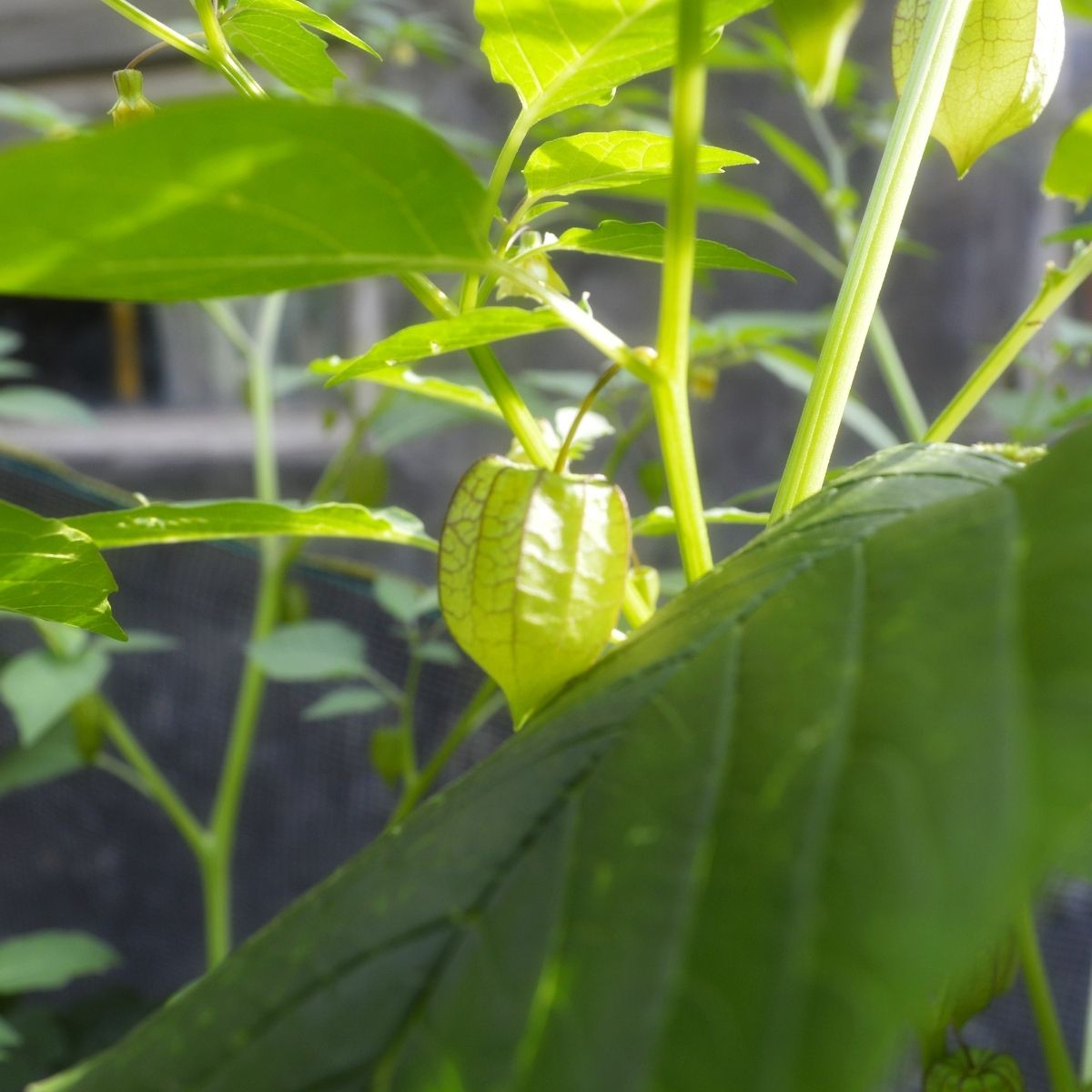
Related to the tomatillo, ground cherries taste like a tropical hybrid of pineapple, vanilla, and tomato. They are high-value specialty crops in grocery stores, but in a self-seeding garden, they are practically free lifetime produce.
Why They Excel at Self-Seeding
Ground cherries get their name because the fruit drops to the ground inside a papery husk when fully ripe. Unharvested fruit buries itself under fallen leaves in autumn, insulating the seeds until conditions are warm enough for spring germination.
How to Manage Them
- Patience Required: Ground cherry seeds require warm soil to germinate, so don't panic if you don't see volunteers in early spring. They typically sprout late in the season, around the same time as peppers.
- Mulch Over Winter: Leave a light layer of leaf mulch over the area where ground cherries fell to protect the seed husks from hungry birds during winter.
5. Lettuce (Lactuca sativa)

Loose-leaf lettuce varieties (like Red Sails, Oakleaf, or Butterhead) are standard garden staples that will gladly return year after year if allowed to complete their natural life cycle.
Why They Excel at Self-Seeding
When lettuce bolts, it produces tiny yellow daisy-like flowers that turn into fluffy dandelion-style seed heads. The wind catches these downy seeds and carries them throughout your garden beds, planting them in shallow soil pockets effortlessly.
How to Manage Them
- Shake the Stalks: Once the flower heads turn to white fluff, walk through your garden and gently shake the stalks over empty bed spaces.
- Identify Early Sprouts: Learn to spot young lettuce seedlings so you don't accidentally weed them out during spring bed cleanup. They look like tiny, pale-green oval leaves resting flat against the dirt.
3 Rules for Successful "Volunteer" Gardening
Relying on self-seeding plants requires shifting your mindset from strict control to managed chaos. Follow these three rules to keep your garden productive rather than overgrown:
| Rule | Action | Why It Matters |
| 1. Learn the Seedlings | Identify weeds versus volunteers early. | Prevents you from pulling up free crops during spring weeding. |
| 2. Thin Without Mercy | Pull out 70 to 80% of natural sprouts. | Self-seeded plants grow too densely; thinning ensures large, healthy crops. |
| 3. Skip Heavy Tilling | Use no-till surface mulch methods. | Deep tilling buries dropped seeds too deep to ever germinate. |
By letting a small portion of your garden complete its natural lifecycle each season, you trade repetitive labor for a resilient, self-replenishing food patch that works with nature instead of fighting against it.
Comments
No Comments