Borago officinalis, popularly known as Borage, is an annual herb recognized for its culinary uses, health benefits, and garden applications. Its distinctive blue flowers and cucumber-like flavor makes it a unique addition to any garden or kitchen. However, Borage's benefits stretch beyond its culinary use, making it an excellent choice for gardeners and herbalists.
Read Next
Botanical Description
Borage is native to the Mediterranean region and has naturalized in many parts of the world. It's an upright, annual herb that can reach a height of up to 60 cm. Its stems and leaves are covered with a layer of prickly hairs, adding a textural element to the garden. The plant's leaves are simple, oval, and possess a rough, hairy texture.
The plant's most distinctive feature is its stunning, star-shaped, bright-blue flowers. These flowers hang in clusters and have a sweet, honey-like taste. Borage's flowering period extends from early summer to autumn, providing a lengthy season of visual appeal.
Borage in History and Folklore
Historically, borage has held a place of respect and admiration in various cultures. It was well-known in ancient Rome, where it was used in a honeyed wine to relieve depression and uplift spirits. Hence, the plant was often associated with joy and courage, reflected in the Celtic saying, "I, Borage, bring always courage."
Ecological Role
Borage is highly attractive to bees and other pollinators, making it an excellent choice for those seeking to promote biodiversity in their gardens. Bees are particularly attracted to borage, as it produces a significant amount of nectar. By planting borage, you can create a bee-friendly garden that aids in local pollination efforts.
Companion Planting
Borage has a significant place in companion planting. It's often grown alongside strawberries, tomatoes, and squash, as it's believed to enhance their growth and resistance to pests. Its ability to attract pollinators can increase crop yields, making it a favorite among vegetable and fruit gardeners.
Borage in Landscaping
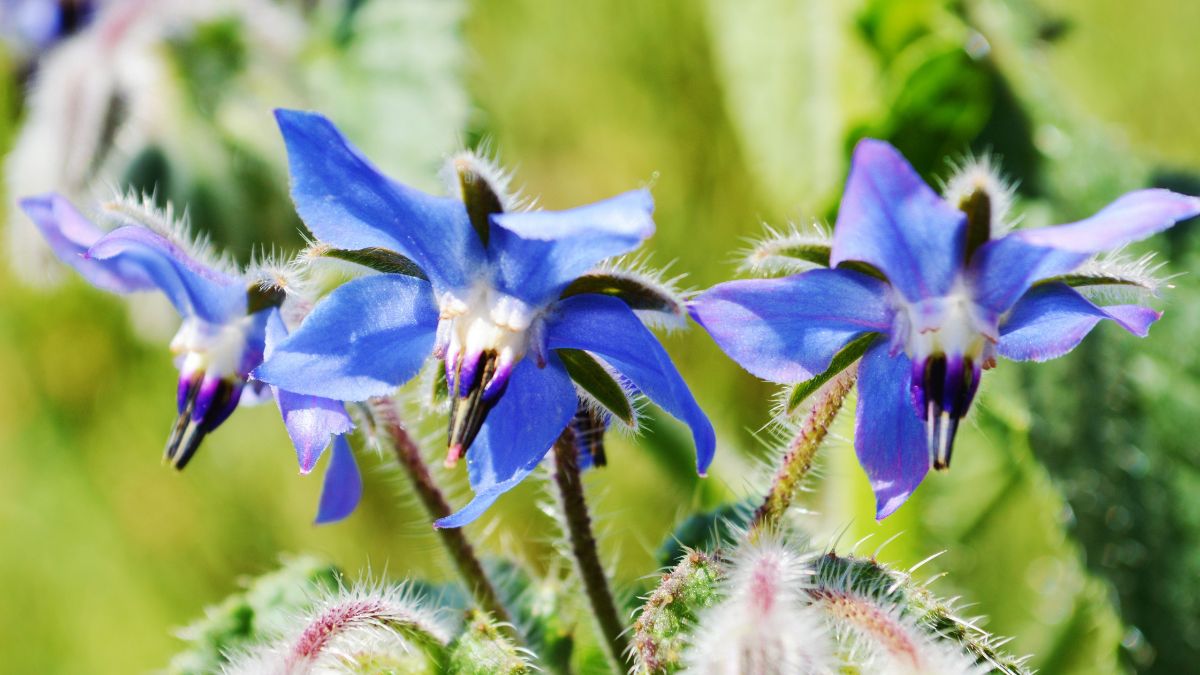
In landscape design, borage offers unique opportunities. Its vivid blue flowers are a delight, contrasting brilliantly with golden marigolds or blending harmoniously with white daisies. Its robust growth makes it a great filler in flower beds and borders, adding depth and a lush, informal touch.
Borage can also be used in container gardening. Given ample space, it can be a stunning centerpiece with cascading blooms. Pair it with contrasting colors, or let it stand alone to showcase its unique beauty.
Borage in Permaculture
Permaculture gardeners hold borage in high regard for its companion planting benefits and its role in promoting biodiversity. Its deep taproot system is excellent at mining nutrients from the soil, bringing them to the surface, and making them available for other plants.
Borage leaves, when used as mulch, provide a rich source of minerals for plants and soil organisms. It can also be used as green manure, contributing organic matter and nutrients to the soil when it decomposes.
Seed Saving and Propagation
Borage seeds are easy to collect and save for future planting. After the flowers fade, small black seeds form at the base of the old flower. These can be harvested and stored for future use or allowed to fall to the ground to self-seed.
If you wish to propagate borage, you can directly sow the seeds in the garden after the threat of frost has passed. Borage seeds prefer to germinate in cooler temperatures, and seedlings usually emerge within a week or two.
Cultivation and Uses
Borage is a hardy plant and relatively easy to grow, making it an excellent choice for novice gardeners. It thrives in full sun but can tolerate partial shade, and it isn't fussy about soil types, though it prefers well-drained soil.
Once established, borage self-seeds readily, often popping up in different parts of the garden in subsequent years. Some gardeners appreciate this self-seeding habit as it ensures a continual supply of borage, but others may find it a bit too enthusiastic.
In the kitchen, borage's young leaves and flowers are edible and are used in various culinary applications. The leaves have a fresh, cucumber-like flavor and can be used in salads, soups, or as a garnish. The flowers make an attractive edible decoration for cakes and desserts or a vibrant addition to summer drinks.
Health Benefits

Borage also offers various medicinal benefits. Its leaves have been used in traditional medicine for their anti-inflammatory properties and to improve skin health and respiratory conditions. Borage oil, derived from its seeds, is rich in gamma-linolenic acid (GLA), an essential fatty acid used to treat a range of health issues, from skin disorders to inflammation.
However, it's crucial to use borage medicinally with caution. The plant contains small amounts of pyrrolizidine alkaloids, potentially harmful compounds if consumed in large quantities or over a long period.
Cooking with Borage
When cooking with borage, there are numerous possibilities. The flowers can be used fresh in salads, lending a light, sweet taste and a splash of color. They can also be crystallized for cake decorations or frozen into ice cubes for a pretty addition to summer drinks.
Though slightly prickly, the leaves can be used much like spinach when cooked. They can be added to soups, stews, or steamed as a vegetable. Remember, always use young leaves, as older ones can become too hairy and tough to eat.
Conclusion
Borage is more than just an ordinary herb; it's a multifaceted plant with many applications. From its role as a culinary herb to its health benefits and ecological significance, Borago officinalis stands out. It's an excellent addition to gardens, bringing beauty, biodiversity, and a touch of flavor.
Whether you're an experienced gardener, an adventurous cook, or a beginner in both areas, there's a place for borage in your life. Embrace this Mediterranean jewel and enjoy the unique charm it brings to the table.
Comments
No Comments