When you are dealing with a small backyard, patio, or balcony, horizontal soil space is your most valuable asset. If you let vining plants spread out naturally across the ground, a single zucchini or cucumber plant can easily swallow up an entire 4x4-foot garden bed, leaving no room for anything else.
Read Next
The secret to maximizing a small footprint is simple: stop growing out, and start growing up.
By training specific high-yield crops onto vertical trellises, stakes, or towers, you save ground space while increasing your harvest. Air circulation improves (which drops your risk of fungal diseases like powdery mildew), and harvesting becomes a comfortable, eye-level task.
Here are five of the highest-yielding vegetables that thrive when trained skyward.
1. Pole Beans (The Endless Producers)
If you want the absolute highest return on investment for vertical space, look no further than pole beans. Unlike bush beans, which produce all their pods at once and then stop, pole beans will continuously grow and produce new beans all summer long until the first winter frost.
- Yield Potential: Up to 10 to 12 lbs of beans per 10-foot row.
- Best Support: A simple A-frame trellis, netting, or a classic bamboo teepee. They use natural climbing tendrils to wrap around supports automatically.
2. Vining Tomatoes (Indeterminate Varieties)
To grow vertically, make sure you choose indeterminate tomato varieties (like Cherokee Purple, Early Girl, or most cherry tomatoes) rather than determinate "bush" types. Indeterminate varieties function like vines and will keep growing upward as long as you let them.
- Yield Potential: 15 to 30 lbs of fruit per healthy plant.
- Best Support: Single sturdy wooden stakes, overhead string drops, or heavy-duty cattle panel trellises. You will need to loosely secure the main stem to the support using soft garden twine as it climbs.
3. Climbing Cucumbers
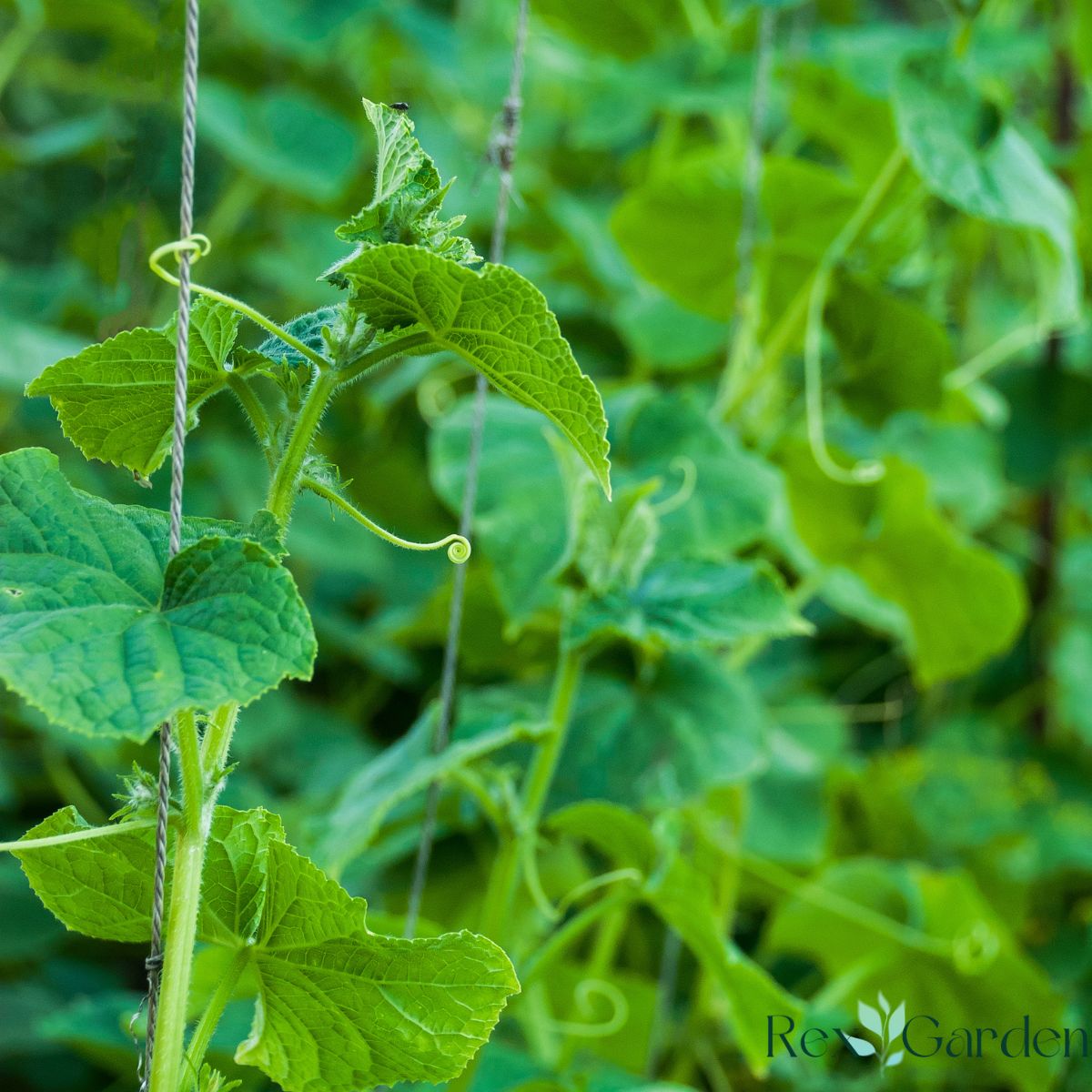
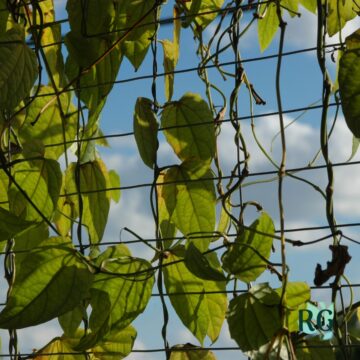
Standard cucumbers left on the ground often grow misshapen, drop from pest damage, or rot from damp soil contact. Training cucumbers to vine up a vertical support creates perfectly straight, uniformly green fruit because gravity pulls them down evenly.
- Yield Potential: 10 to 20 cucumbers per plant.
- Best Support: Wire mesh, grid trellises, or vertical netting. Their curly tendrils easily grip onto thin wires or string.
4. Vertical Zucchini & Summer Squash
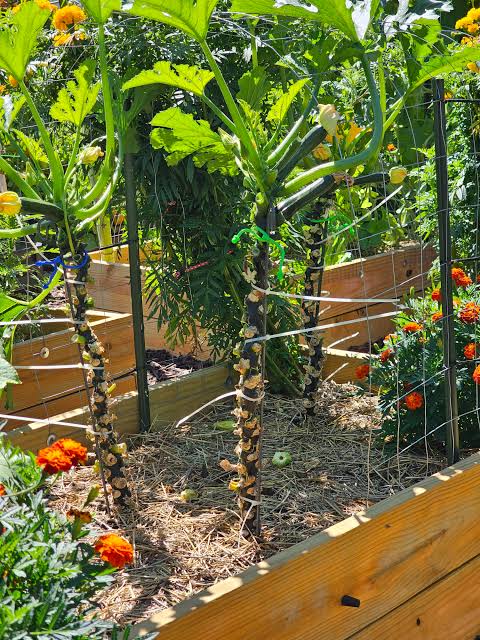
Most gardeners assume zucchini is strictly a ground-hogging bush. However, you can easily train standard zucchini plants to grow up a single vertical stake. As the plant grows, you simply prune away the lower leaves below the fruit zone and tie the main thick stalk to a heavy-duty stake.
- Yield Potential: 6 to 10 lbs of squash per plant.
- Best Support: A single, thick rebar or wooden stake driven 12 inches into the ground right next to the base of the plant.
5. Sugar Snap Peas
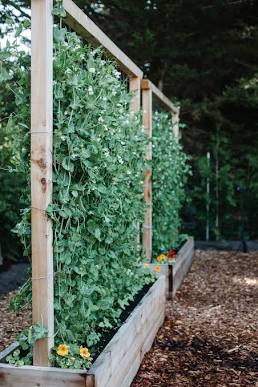
Peas are the ultimate vertical crop for cool spring and autumn weather. They have a tiny root footprint, meaning you can plant them incredibly close together along the base of a trellis to create a dense, living wall of sweet edible pods.
- Yield Potential: 3 to 5 lbs of pods per 5-foot vertical row.
- Best Support: Thin chicken wire, pea trellis netting, or delicate brush twigs. Pea tendrils are short and weak, so they prefer thin structures to grasp rather than thick wooden stakes.
- 5 Self-Seeding Vegetables That Will Replant Themselves Every Year
- 7 Vegetables That Thrive in Total Shade Zones
- 5 High-Yield Vegetables to Grow Vertically in a Tiny Backyard
- How to Protect Cabbage from Insects
The Golden Rules of Vertical Small-Space Gardening
To make sure your vertical backyard experiment succeeds, keep these three management tips in mind:
- Orient for Sunlight: Place your tall vertical trellises on the north side of your garden space. If you put them on the south or east side, your massive green walls will cast shadows over the rest of your small yard, blocking light from smaller crops.
- Anchor for Wind: A vertical trellis covered in large leaves acts exactly like a ship's sail. Ensure your stakes or frames are driven deeply into the ground or firmly secured to a wall or raised bed to survive heavy summer thunderstorms.
- Fertilize Constantly: Because you are packing plants closely together to utilize vertical space, they will deplete soil nutrients quickly. Feed them with an organic, well-balanced compost tea or liquid fertilizer every two to three weeks to keep production high.
Comments
No Comments