When you think of wildflowers, you might conjure up images of colorful daisies, vibrant poppies, or delicate violets. But tucked away in various ecosystems across North America, another wildflower quietly graces our landscapes with its stunning hues and ecological significance - Wild Lupine (Lupinus perennis).
In this article, we will delve into the captivating world of Wild Lupine. Explore its characteristics, ecological role, cultural significance, and the importance of conserving this remarkable plant.
Read Next
Meet the Wild Lupine
Wild Lupine, scientifically known as Lupinus perennis, is a perennial flowering plant belonging to the Fabaceae family, which includes legumes like peas and beans.
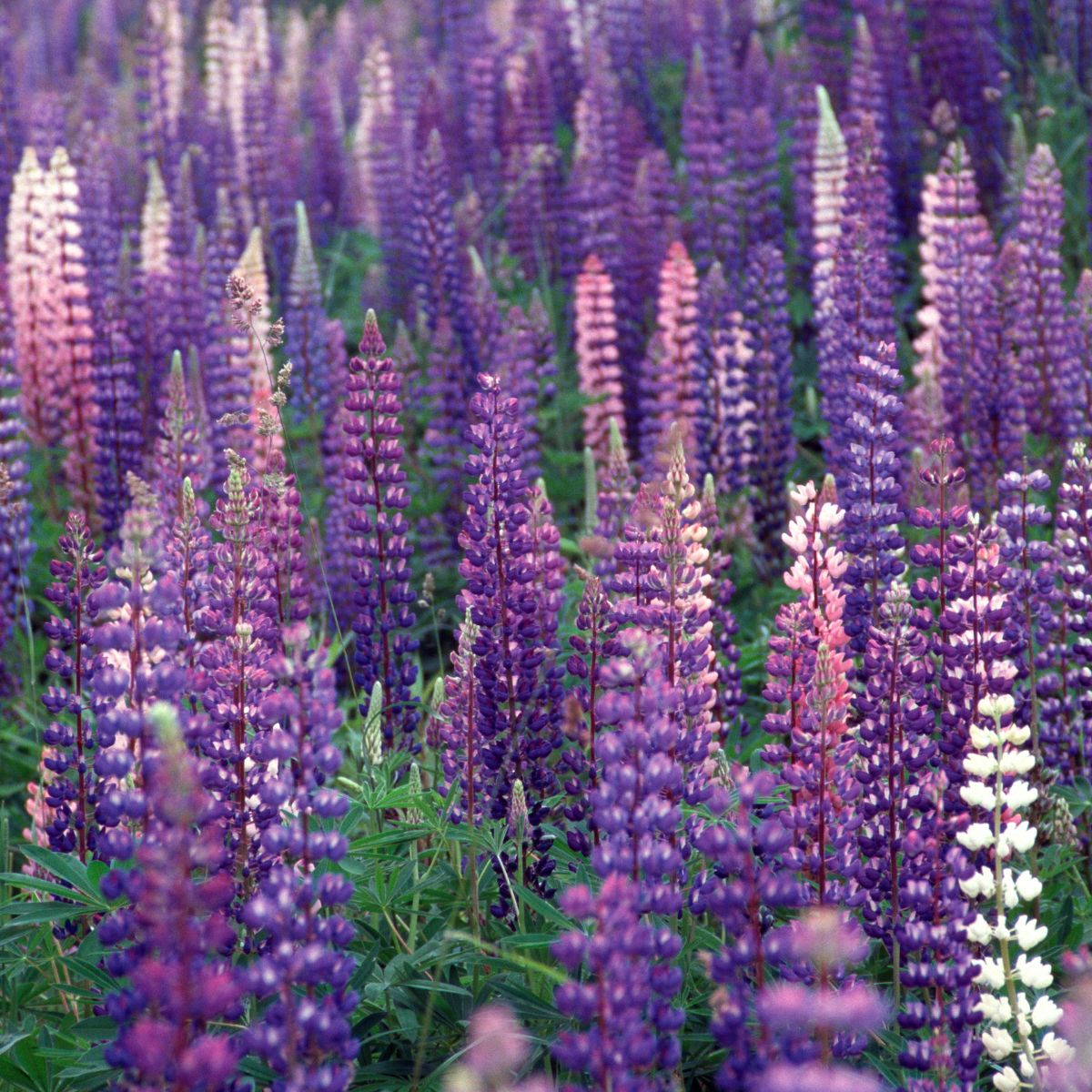
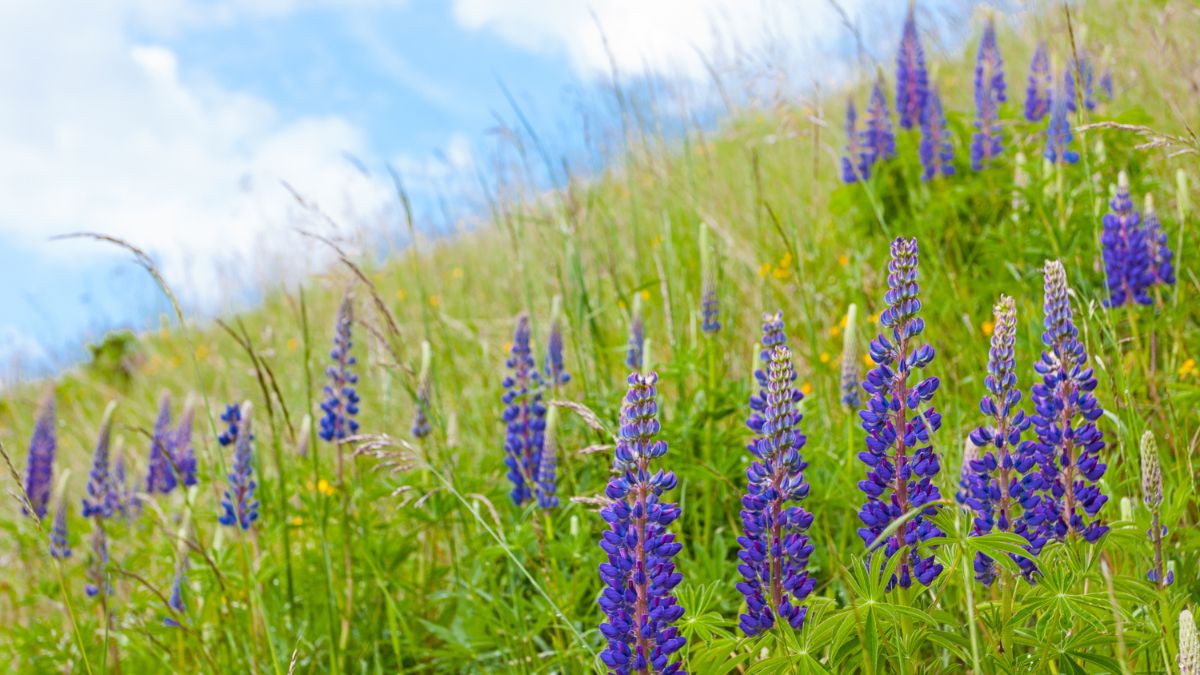
This native North American wildflower is renowned for its striking blue-violet to purplish-blue blossoms, which typically appear from May to July.
These flowers are arranged in tall, elongated spikes and are complemented by palmately compound leaves, resembling the shape of a hand with several leaflets radiating from a central point.
Habitat and Range
Wild Lupine's natural habitat spans many ecosystems, from dry, sandy plains to moist meadows and oak savannas.
You can find it in diverse regions across North America, from the Eastern United States to parts of Canada, often forming beautiful carpets of blue in the spring and early summer.
Life Cycle
As a perennial plant, Wild Lupine follows a fascinating life cycle. The plant emerges from its underground taproot in the spring, sending up its distinctive leaves and developing flower spikes.
After pollination by bees and other pollinators, it produces pods filled with seeds.
These seeds are often protected by a tough outer coat that requires special conditions to break down before germination, making them well-suited to their sometimes harsh and fire-prone habitats.
The Ecological Importance of Wild Lupine
Wild Lupine is not just a pretty face; it plays a vital ecological role in its native habitats.
Nitrogen Fixation
One of the most crucial functions of Wild Lupine is its ability to fix nitrogen from the atmosphere into the soil. This process, known as nitrogen fixation, is facilitated by specialized root nodules that house nitrogen-fixing bacteria.
This ability to increase soil fertility is particularly essential in nutrient-poor soils, prevalent in many habitats where Wild Lupine thrives.
Habitat for Wildlife
The presence of Wild Lupine contributes significantly to the overall biodiversity of its native ecosystems. Its nectar-rich flowers attract various pollinators, including bees and butterflies. Its seeds serve as a valuable food source for a range of wildlife, including birds and small mammals.
Indicator Species
Wild Lupine also serves as an indicator species, meaning its presence or absence can provide valuable insights into the health and condition of its surrounding ecosystem.
For example, Wild Lupine is often associated with oak savannas, a declining and threatened ecosystem.
By monitoring Wild Lupine populations, conservationists can better understand the status of these vital habitats and take necessary conservation measures.
Cultural Significance
Beyond its ecological importance, Wild Lupine holds cultural significance for various Indigenous communities and has played a role in traditional medicine and practices.
Indigenous Uses
Several Indigenous tribes across North America have historically used Wild Lupine for its medicinal properties.
Different parts of the plant were employed for a range of purposes, from treating skin conditions to aiding digestion.
The knowledge of these uses has been passed down through generations and continues to be valued by some communities today.
Ethnobotanical Importance
Wild Lupine is just one example of the rich ethnobotanical heritage of Native American tribes.
It highlights the profound connection between Indigenous peoples and their natural environment, emphasizing the importance of preserving both the plant and its traditional knowledge.
Conservation Efforts
As with many native species, Wild Lupine faces several threats to its survival, primarily due to habitat loss, invasive species, and changing land use practices.
Various conservation efforts are underway to ensure the continued existence of this beautiful and ecologically vital wildflower.
Habitat Restoration
Conservation organizations, government agencies, and community groups are actively involved in restoring and preserving the habitats that Wild Lupine depends on.
This includes efforts to reintroduce controlled fires in fire-adapted ecosystems like oak savannas, which help maintain the plant's preferred conditions.
Seed Banks and Propagation
To safeguard genetic diversity and increase Wild Lupine populations, many institutions collect and preserve seeds.
These seeds can be used for habitat restoration projects and propagation efforts, helping to expand the plant's range and protect its genetic diversity.
Public Awareness
Increasing public awareness about the importance of Wild Lupine and its native ecosystems is crucial for conservation efforts.
Encouraging responsible land use practices and promoting the appreciation of this stunning wildflower can go a long way in its protection.

Growing Wild Lupine in Your Garden
If you're an enthusiast looking to bring the beauty of Wild Lupine to your own backyard, it is possible to cultivate this native wildflower in your garden.
Choosing the Right Location
Wild Lupine thrives in well-drained, sandy soils and prefers full sun to partial shade.
Ensure that your garden site replicates its natural habitat as closely as possible.
Seed or Seedling?
You can start Wild Lupine from seeds or purchase seedlings from nurseries specializing in native plants.
When planting seeds, it's essential to mimic natural conditions by scarifying or nicking the seed coat and providing a period of cold stratification before sowing.
Maintenance
Once established, Wild Lupine requires minimal maintenance. Ensure the soil remains well-drained and avoid overwatering.
Deadheading spent flowers can promote prolonged blooming, while light pruning in the fall helps maintain its shape.
Conclusion
Wild Lupine (Lupinus perennis) is a crucial component of native ecosystems, enhancing soil fertility, supporting wildlife, and indicating ecosystem health.
Its historical and contemporary cultural significance adds to its importance.
With growing awareness of its threats, we must double our conservation efforts to protect Wild Lupine and its ecosystems.
Whether in your garden or the wild, it's a reminder of nature's interconnectedness and the value of preserving native flora.
Comments
No Comments