
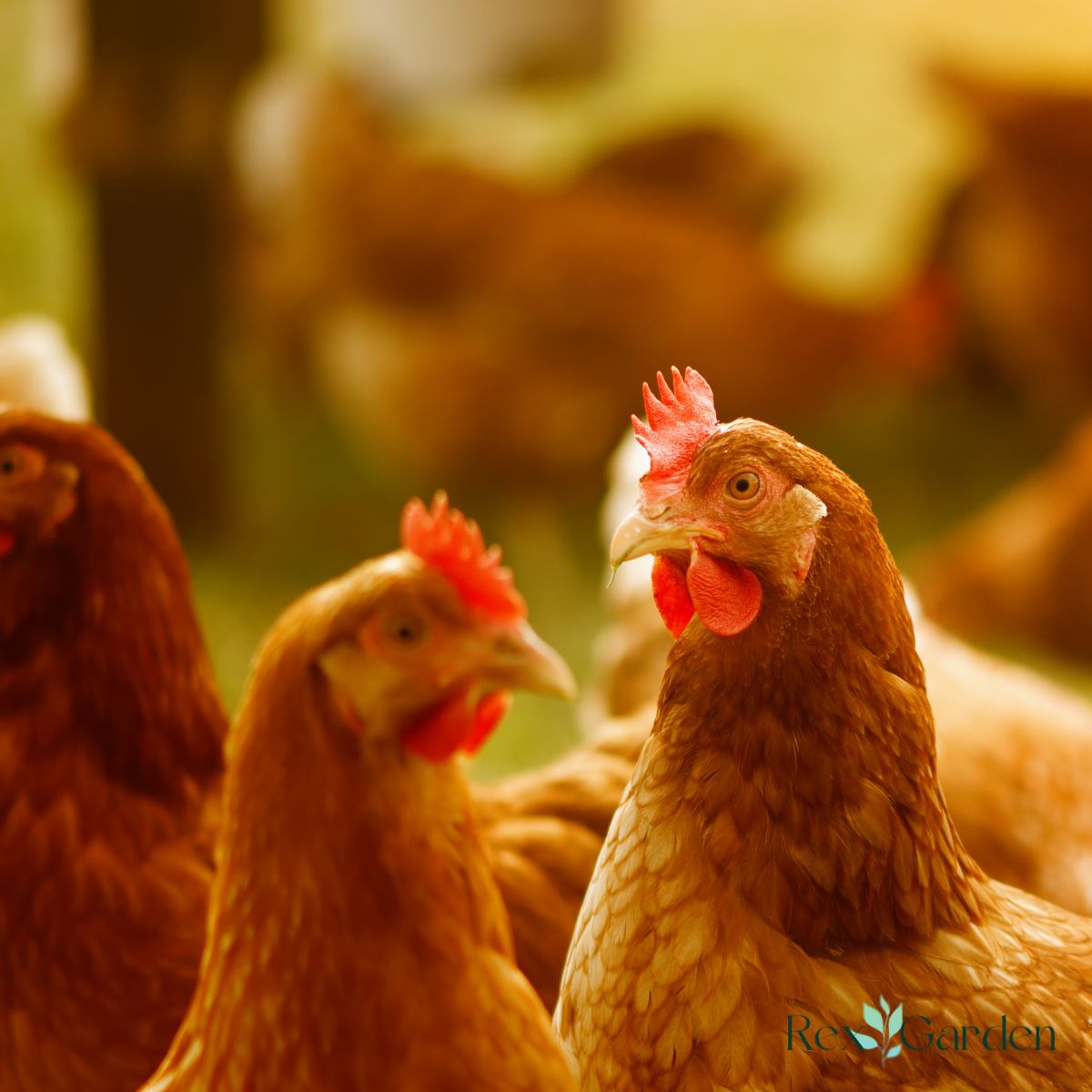
The vision of keeping backyard chickens is undeniably charming. You picture yourself strolling into the garden on a sunny morning, gathering a basket of warm, freshly laid eggs for breakfast. You imagine happy hens clucking contentedly as they peck and scratch, providing not just food, but a wholesome connection to nature. For many, this idyllic scene becomes a wonderful reality.
Read Next
- 1. Have I Checked My Local Laws and Regulations?
- 2. Do I Have Enough Time for Daily Care?
- 3. Do I Have the Right Amount of Space?
- 4. Can I Handle the "Icky" Side of Chickens?
- 5. What is My Budget for Setup and Ongoing Costs?
- 6. Are My Family and Neighbors On Board?
- 7. What Are My Ultimate Goals for Keeping Chickens?
- The Final Verdict
- 💬 Feedback
However, the journey to that reality is paved with responsibility, commitment, and a surprising amount of manure. Chickens are more than just living egg cartons; they are livestock with specific daily needs.
Before you bring home that first box of peeping chicks, it's essential to take a step back from the dream and ask some practical, honest questions.
Answering these seven questions will not only help you decide if chickens are truly right for you but will also set you up for a successful and enjoyable experience as a new poultry keeper.
1. Have I Checked My Local Laws and Regulations?
This is the absolute, non-negotiable first step. Ignoring it can lead to fines, disputes with neighbors, and the heartbreaking task of having to re-home a flock you’ve grown to love. The romance of chicken keeping comes to a screeching halt when a code enforcement officer is at your door.
Before you do anything else, you must investigate the rules for your specific location. Look into:
- Legality: Does your city, town, or county permit backyard chickens at all?
- Flock Size: Many urban and suburban areas have a limit on the number of birds you can keep, often between three and six hens.
- Roosters: Due to their loud crowing at all hours, roosters are banned in most residential areas. Remember, you do not need a rooster for your hens to lay eggs. Roosters are only necessary if you want to hatch fertilized eggs.
- Coop Regulations: There are often specific rules about the coop itself. This can include "setback" requirements, which dictate how far the coop must be from your house, your neighbors' houses, and your property lines.
- Permits and Registration: Some municipalities require you to obtain a permit or register your flock, which may involve a small fee or a coop inspection.
- Homeowners' Association (HOA) Rules: Even if your city allows chickens, your HOA might not. HOA rules are private covenants that can override municipal ordinances, so be sure to check your specific community guidelines.
How to Find the Information: Start by searching your town or city's official website for "backyard chickens," "poultry ordinance," or "animal control." If you can't find it online, a quick phone call to the local planning, zoning, or clerk's office will provide the answers you need.
2. Do I Have Enough Time for Daily Care?
One of the biggest misconceptions about chickens is that they can largely care for themselves. While they are relatively self-sufficient compared to other pets, they require consistent, non-negotiable care every single day, 365 days a year. There are no weekends off.
Consider this realistic time commitment:
- Daily Chores (10-20 minutes): Every morning, you'll need to let the hens out of their secure coop, give them fresh food, and provide clean, unfrozen water. In the evening, you'll need to make sure they are all safely back in the coop and lock it securely against predators. You'll also collect eggs daily to ensure they stay clean and to discourage egg-eating behavior. This routine is mandatory, rain or shine, in sickness and in health.
- Weekly Chores (30-60 minutes): Once a week, you'll need to do a more thorough cleaning. This involves removing soiled bedding from the coop and nesting boxes, replacing it with fresh material, and scrubbing and refilling the feeders and waterers.
- The Vacation Problem: What happens when you want to go away for a weekend or a longer vacation? You can't just leave out a big pile of food. You will need to find a reliable and knowledgeable "chicken sitter" who can perform the daily open-up and lock-down routine.
Before you commit, be honest with yourself about your daily schedule. If your mornings are already a chaotic rush, adding chicken chores might push you over the edge.
3. Do I Have the Right Amount of Space?
Chickens need adequate space to thrive. Overcrowding is a primary cause of stress, which can lead to feather picking, bullying, and an increased risk of disease. You'll need space for two key areas: the coop and the run.
- The Coop (Their House): This is the enclosed structure where they sleep on roosts and lay their eggs in nesting boxes. It provides shelter from wind, rain, and extreme temperatures. A good rule of thumb is to provide at least 3-4 square feet per bird inside the coop. For a flock of four hens, you'd need a coop with a minimum footprint of 12 square feet (e.g., 3 ft x 4 ft).
- The Run (Their Yard): This is their safe, fenced-in outdoor area where they can scratch, forage, and dust bathe. The more space, the better. The absolute minimum is 8-10 square feet per bird. For that same flock of four hens, a run of at least 32 square feet (e.g., 4 ft x 8 ft) is necessary.
Beyond the numbers, consider the impact on your yard. Chickens are tiny dinosaurs that will systematically destroy any patch of grass they are confined to. They will dig up flower beds and devour vegetable gardens with surgical precision. You must either provide them with a dedicated, contained run or be willing to sacrifice a portion of your pristine lawn to their foraging habits.
4. Can I Handle the "Icky" Side of Chickens?
The curated photos on social media often leave out the messier realities of livestock ownership. Raising chickens isn't always pretty, and you need to be prepared to handle the less-than-glamorous aspects.
- Manure: Chickens poop a lot, everywhere. A significant part of your weekly routine will be scooping and managing manure. While chicken manure makes fantastic compost for your garden, you have to be willing to handle it first. A poorly managed coop will quickly start to smell, attracting flies and annoying your neighbors.
- Pests and Parasites: Your flock can be susceptible to external pests like mites and lice, and internal ones like worms. You'll need to learn how to check your birds for these critters and be prepared to treat them, which can involve dusting them with powders or administering medications.
- Sickness, Injury, and Death: Chickens, like any living creature, get sick and injured. You might have to deal with respiratory infections, foot injuries (bumblefoot), or mysterious ailments. Are you prepared to learn basic chicken first aid, and can you stomach cleaning a wound or isolating a sick bird? Sadly, chickens also die, sometimes from predation and sometimes from illness. Handling the loss and disposal of a bird is a part of the experience.
- Dust: Chickens create a surprising amount of dust from their dander, their feed, and their beloved dust baths. If you or a family member has allergies or respiratory sensitivities, setting up a coop near the house could be a problem.
5. What is My Budget for Setup and Ongoing Costs?
While raising chickens can save you money on eggs in the long run, the initial investment can be significant. It's wise to budget for both the start-up and recurring expenses.
| Expense Category | Items | Estimated Cost Range (USD) | Notes |
| Initial Setup Costs | Coop, Chicks/Pullets, Brooder Kit, Feeders, Waterers, Fencing, Storage Bins | $300 - $1,000+ | The coop is the biggest variable. A DIY coop can be much cheaper than a high-end pre-made one. |
| Monthly Ongoing Costs | Feed, Bedding (Pine Shavings/Straw), Supplements (Grit/Oyster Shell) | $20 - $50 | This depends on the size of your flock and the quality of supplies you purchase. |
| Occasional Costs | Health Supplies, Coop Repairs, Treats, Veterinary Care (if needed) | $50 - $200+ per year | Vet care for chickens can be expensive and hard to find. It's good to have an emergency fund. |
Be realistic about these costs. Skimping on a secure coop to save money upfront will likely cost you more in the long run when a raccoon breaks in and devastates your flock.
6. Are My Family and Neighbors On Board?
You may be the primary chicken-keeper, but a new flock will impact your entire household and the people living next door.
- Family: Is your partner on board with the time commitment, costs, and potential for a "farmy" smell in the backyard? Are your children old enough to understand how to interact with the animals gently, or will they be another variable to manage?
- Neighbors: Having a conversation with your immediate neighbors before you get chickens is a sign of respect that can prevent future conflicts. Be proactive. Explain your plans, show them where the coop will be, and assure them you have a plan for cleanliness and noise. Hens are not silent; they have a range of clucks, squawks, and a loud "egg song" they often cackle after laying. Being transparent and offering them a share of the future egg bounty can go a long way in building goodwill.
7. What Are My Ultimate Goals for Keeping Chickens?
Knowing why you want chickens will help you make better decisions about breeds, coop setup, and management style, ensuring the experience meets your expectations.
- Goal: Fresh, Healthy Eggs. If your primary motivation is a steady supply of eggs for your family, you'll want to choose highly productive breeds like Golden Comets, Leghorns, or Australorps.
- Goal: Fun Family Pets. If you envision chickens as backyard companions for your children, you should prioritize calm, docile, and friendly breeds like Orpingtons, Silkies, or Brahmas.
- Goal: Pest Control and Garden Partners. If you want chickens to help with bug control, you'll need a plan to rotate them through garden areas in a way that protects your plants.
- Goal: Self-Sufficiency and Meat. If you are interested in raising chickens for both eggs and meat, you'll want to select a "dual-purpose" heritage breed like the Plymouth Rock or Wyandotte and be fully prepared for the realities of humane home processing.
The Final Verdict
Keeping backyard chickens can be one of the most rewarding hobbies you ever undertake. The connection to your food, the daily entertainment, and the simple joy of collecting that first egg are truly special. But it is a serious commitment that deserves careful consideration.
If you’ve read through these questions and feel excited and prepared to meet the challenges head-on, then congratulations—you are likely ready to join the growing community of happy chicken keepers. By starting with a foundation of research and realistic expectations, you are paving the way for a successful and delightful journey.
Comments
No Comments