
Molting in chickens is a normal, healthy, and absolutely essential annual process. While it can look alarming, understanding what is happening to your flock and how to properly support them through this vulnerable period is key to being a responsible chicken owner.
Read Next
This guide will walk you through everything you need to know about the feather apocalypse, from the biological triggers to the best ways to manage their diet and care, ensuring your flock emerges healthier, more beautiful, and perfectly prepared for the coming winter.
What Exactly is Molting?
In the simplest terms, molting is the process of shedding old, worn-out feathers and growing a complete set of new ones. Think of it as a bird’s way of getting a brand-new, high-performance winter coat every year. A full feather coat is crucial for insulation against the cold, protection from the elements, and even for flight in their wilder cousins. Over a year, feathers become broken, brittle, and less effective. The annual molt ensures that every chicken has a pristine, fully functional set of plumage before the harshest weather arrives.
This process is controlled by a chicken’s endocrine system and is primarily triggered by the decreasing hours of daylight in the late summer and early fall. The shorter days signal to a hen’s body that winter is approaching and it’s time to redirect its resources from egg-laying to feather production.
The Molting Timeline: What to Expect
While it can vary by breed and individual bird, a typical adult molt follows a predictable pattern and timeline:
- When It Starts: The first adult molt usually occurs around 18 months of age. After that, it becomes an annual event, typically starting in the late summer or early fall.
- The Pattern of Feather Loss: A natural molt is surprisingly orderly. It usually starts at the head and neck, then proceeds down the back, across the breast and thighs, and finishes with the large, important tail feathers. This symmetrical pattern of loss is a key indicator that you are dealing with a molt and not a health problem.
- Duration: The entire process can take anywhere from 6 to 12 weeks. Some highly productive breeds may have a "hard molt," losing feathers very quickly and looking naked for a few weeks before regrowing them. Other, less productive breeds might have a "soft molt," losing feathers so gradually that you barely notice, aside from a few extra feathers in the coop.
Key Signs Your Chicken is Molting
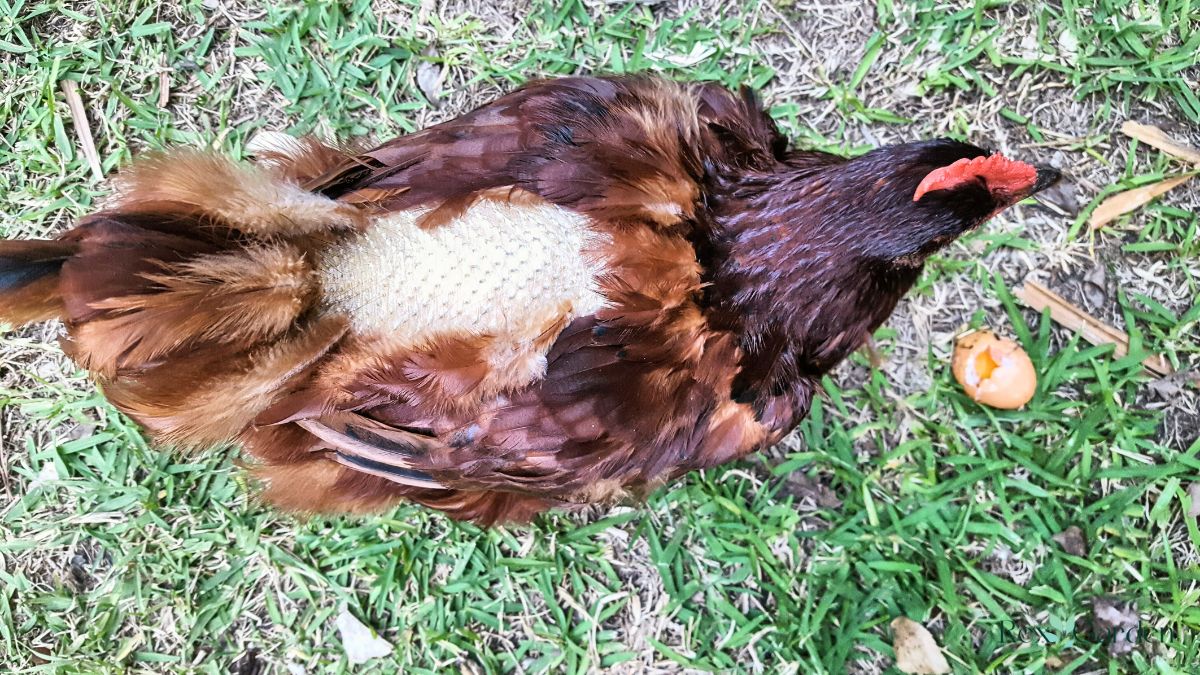
Recognizing the signs of a molt will help you distinguish it from illness and provide the right kind of care.
Obvious Feather Loss
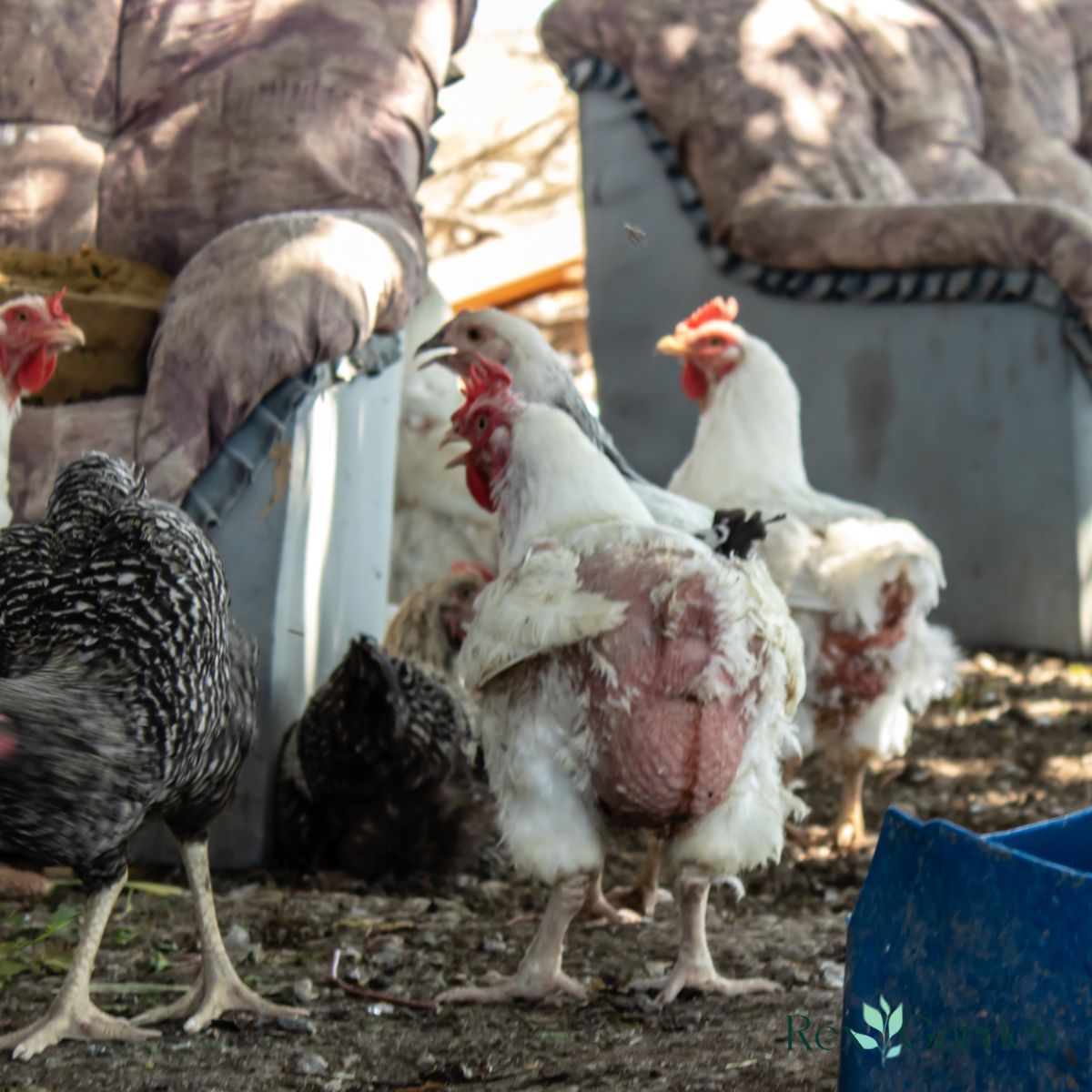
This is the most apparent sign. You will find feathers of all shapes and sizes in the coop, in the run, and all over the yard. Your chickens themselves will look ragged, with visible bald spots and an unkempt appearance.
The "Porcupine" Phase
As new feathers begin to grow in, they emerge from the skin encased in a waxy, keratin sheath, making them look like tiny pins or quills. This is why molting chickens are often described as looking like "porcupines." These new pinfeathers have a blood supply and are extremely sensitive.
Grumpy and Anti-Social Behavior
Remember those sensitive pinfeathers? Being handled during this time is painful for a chicken. A normally friendly hen might suddenly become standoffish, hide in corners, or even peck at you if you try to pick her up. This is a normal defensive behavior. They are also lower in the pecking order during this time and may isolate themselves to avoid being bothered by other flock members.
Pale Comb and Wattles
A laying hen typically has a vibrant, deep red comb and wattles. When she begins to molt and stops laying, her comb and wattles will shrink and fade to a pale pink or light red. This is a clear visual cue that her reproductive system is on a temporary hiatus.
A Halt in Egg Production
This is one of the most significant and often frustrating aspects of the molt for chicken keepers. Molting hens will stop laying eggs. Creating a new feather is an incredibly protein-intensive process—feathers are about 85% protein. A hen’s body simply cannot support the massive protein demands of growing thousands of new feathers and producing protein-rich eggs at the same time. The egg factory shuts down completely and redirects all of its protein resources to the molt.
How to Care for Your Molting Flock: The Action Plan
Molting is a natural process, but it is also a stressful and vulnerable time for your flock. Proper management can help them get through it faster, more comfortably, and emerge in better condition. Your entire focus should be on two things: boosting protein and minimizing stress.
Power Up Their Diet with Protein
This is the single most important thing you can do for your molting chickens. Since their bodies are in overdrive trying to produce new feathers, you need to provide them with the right fuel.
- Switch Their Feed: Immediately switch your flock from their standard layer feed (typically 16% protein) to a high-protein formula (20-22% protein). A "feather fixer" feed is specifically designed for this purpose, but a high-quality chick starter or grower feed also works perfectly as it has the necessary protein content.
- Offer High-Protein Treats: This is the time to supplement their diet with healthy, protein-packed snacks. These treats should not make up more than 10% of their total diet, but can provide a significant boost. Excellent options include:
- Scrambled or Hard-Boiled Eggs: It may seem strange, but eggs are a perfect source of protein for them.
- Mealworms: Chickens go crazy for dried or live mealworms, which are pure protein.
- Fish Meal or Canned Fish: A small amount of fish meal mixed into their feed or some plain, canned tuna or sardines (in water, no salt added) is a great source of protein and omega-3s.
- Seeds and Legumes: Black oil sunflower seeds, lentils, and cooked beans are all excellent protein sources.
Minimize Stress at All Costs
Stress can prolong the molting process and weaken a chicken's immune system, leaving them susceptible to illness.
- No New Friends: Do not introduce any new chickens to your flock during the molt. The stress of re-establishing the pecking order is the last thing they need.
- Hands-Off Policy: Avoid handling your chickens as much as possible. Remember that their skin is tender and the emerging pinfeathers are very painful to the touch.
- Maintain Routines: Keep their daily schedule consistent. Let them out at the same time, feed them at the same time, and ensure their environment is calm and predictable.
- Provide Shelter and Hiding Spots: A molting chicken can feel vulnerable. Make sure they have plenty of safe, sheltered places to hide from the elements and from bossier flock mates.
Reduce Low-Nutrient Treats
While you are boosting protein, you should simultaneously cut back on low-protein "junk food" treats.
- Limit Scratch Grains: Scratch grains are like candy for chickens. They are high in carbohydrates and low in protein. While a great treat in the winter for energy, they are not helpful during a molt.
- Avoid Kitchen Scraps like Bread and Lettuce: These types of scraps fill the chickens up without providing the essential nutrients they need for feather regrowth.
Keep the Coop Extra Clean and Dry
With bald patches and sensitive skin, molting chickens are more susceptible to skin infections and external parasites. A clean, dry coop is crucial.
- Fresh Bedding: Ensure the coop has a deep, clean layer of absorbent bedding like pine shavings.
- Dust Baths: Provide a dedicated dust bathing area with a mix of dry dirt, sand, and a little food-grade diatomaceous earth. Dust bathing is how chickens naturally clean their skin and feathers and deter parasites.
Common Molting Questions Answered
- My chicken looks really sick. Is it just molting?
A molting chicken may look ragged, but it should still be active, alert, eating, and drinking normally. A sick chicken will often be listless, hunched with its eyes closed, have discharge from its eyes or nose, or have messy vent feathers. A key differentiator is that feather loss from molting is symmetrical, while loss from bullying or illness is often patchy and random. When in doubt, it is always best to consult a veterinarian. - How long until I get eggs again?
You can expect the egg-laying to resume a few weeks after the molt is complete and the hen has fully recovered her strength. For most, this means a break of about 8-12 weeks in total. Be patient—her body needs this rest and recovery period. - Do roosters molt too?
Yes, roosters also go through an annual molt just like the hens. They will also stop mating during this time as their energy is redirected to feather growth.
Conclusion: The Reward at the End of the Molt
Seeing your flock through their first molt can be a nerve-wracking experience, but it’s a fundamental part of the chicken-keeping calendar. By understanding the process and providing targeted support through a high-protein diet and a low-stress environment, you can make the transition as smooth as possible for your birds.
Don't despair at the sight of a messy coop and scraggly hens. Be patient, provide excellent care, and know that your efforts will be rewarded. In a few short months, your flock will be sporting a breathtakingly beautiful, dense, and glossy set of new feathers. They will be healthier, better insulated for the winter, and ready to resume their important work of providing you with delicious, fresh eggs.
Comments
No Comments