
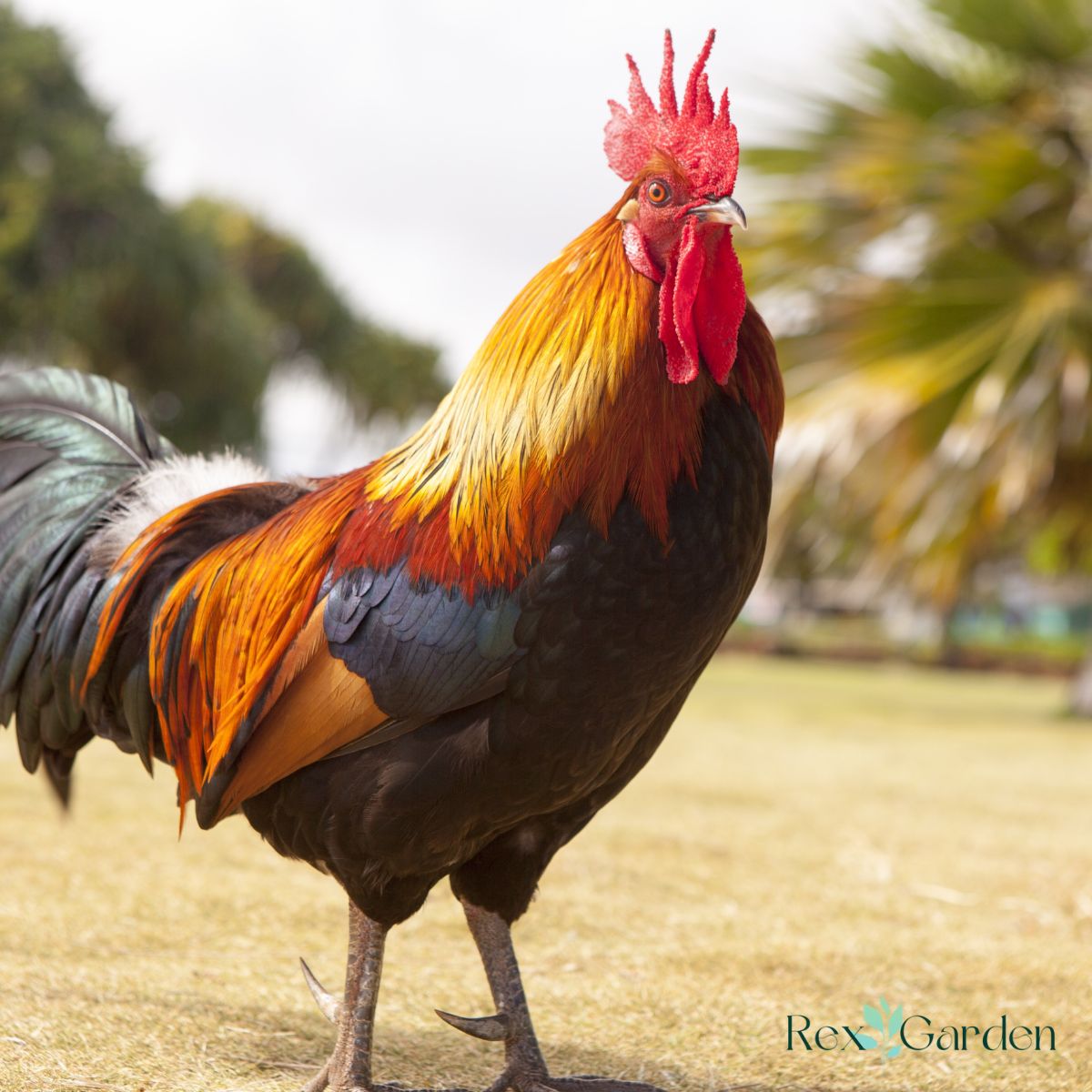
It’s one of the most iconic images of farm life: a proud rooster, perched on a fence post, greeting the dawn with a resounding crow as his flock of hens pecks contentedly in the yard. This classic picture is so ingrained in our minds that for many aspiring chicken keepers, the question naturally follows: "If I want fresh eggs, do I need to get a rooster?"
Read Next
Let's clear this up right away: No, you absolutely do not need a rooster for your hens to lay eggs.
A hen will lay eggs regularly with or without a male companion. The presence of a rooster has no impact on the quantity of eggs your hens produce. The real question isn't whether you need a rooster, but whether you want one. While they aren't necessary for egg production, a rooster can fundamentally change the dynamic of your flock and your experience as a chicken keeper—for better and for worse.
This guide will walk you through the biology of egg-laying and then dive into the pros and cons of adding a rooster to your backyard flock.
The Biology of Egg Laying: Why a Rooster Isn't Necessary
To understand why a rooster is optional, it helps to understand how a hen’s reproductive system works. Think of it in a way that’s very similar to the human female reproductive cycle.
A female chicken, or pullet, is born with thousands of tiny, undeveloped yolks called ova inside her ovary. When she reaches maturity (typically around 5-6 months old), her body will begin to release one of these ova into her oviduct approximately every 24-26 hours. As this yolk travels down the long tube of the oviduct, it is wrapped in the egg white (albumen), encased in membranes, and finally sealed within a hard shell. This entire process happens automatically, dictated by hormones, daylight hours, and the hen’s health.
The rooster’s only role in this entire process is fertilization. If a rooster is present and mates with a hen, the egg she lays a day or two later will be fertilized. If you were to incubate this fertilized egg under the right conditions, it could develop into a chick.
- An unfertilized egg (from a hens-only flock) will never, ever develop into a chick. It is purely for eating.
- A fertilized egg is also perfectly fine to eat. There is no nutritional difference, and unless the egg has been incubated, there is no developing embryo inside—just a tiny white dot on the yolk called a blastoderm, which is barely noticeable.
So, for the sole purpose of collecting delicious, fresh eggs for your breakfast table, a rooster is completely unnecessary.
The Pros: Why You Might Want a Rooster in Your Flock
If they aren't needed for eggs, why would anyone keep a rooster? For those with the right setup, a good rooster can be an invaluable asset to the flock, contributing in several significant ways.
Unmatched Flock Protection
This is, by far, the biggest and most compelling reason to have a rooster. A rooster is the flock's dedicated guardian and security system. He spends his entire day on high alert, constantly scanning the skies for hawks and the ground for predators like foxes, raccoons, or neighborhood dogs.
When a threat is spotted, he sounds a distinct and urgent alarm call that sends the hens scrambling for the safety of their coop. He won't just watch, either. A good rooster will selflessly place himself between his hens and danger, puffing up his feathers, charging, and using his sharp spurs and beak to fight off a predator, often sacrificing his own life to save his flock. For chicken keepers who allow their flock to free-range, this protection can be the difference between a thriving flock and a tragic loss.
Creating Flock Harmony
Hens establish a social hierarchy known as the "pecking order," which can sometimes lead to squabbles and bullying. A good rooster often acts as the flock's sheriff and peacekeeper. He will frequently intervene to break up fights between hens, preventing serious injuries and reducing overall stress within the group. His presence can create a calmer, more cohesive, and harmonious flock dynamic.
Finding Food and "Tidbitting"
Roosters are excellent foragers and see it as their duty to provide for their hens. When a rooster finds a particularly tasty bug, a pile of seeds, or a delicious plant, he won't eat it himself. Instead, he will perform a charming behavior called "tidbitting"—a series of clucks and head bobs while picking up and dropping the food—to call his favorite hens over to enjoy the treat first. This endearing quality showcases his role as the flock's caretaker.
The Ability to Hatch Your Own Chicks
If your goal is to have a self-sustaining flock, then a rooster is essential. With a rooster present, your eggs will be fertile, giving you the ability to hatch your own chicks. You can either collect the eggs and place them in an incubator or allow a "broody" hen (a hen who instinctively wants to sit on and hatch eggs) to do the work for you. This can be an incredibly rewarding and educational experience, allowing you to grow your flock naturally without having to buy new chicks.
Aesthetics and Farm Ambiance
Let's be honest: roosters are stunningly beautiful creatures. With their iridescent tail feathers, vibrant colors, and confident posture, they add a level of beauty and majesty to a flock that hens alone cannot. For many, the sound of a rooster's crow is the quintessential sound of a small farmstead, adding to the overall charm and ambiance of a rural lifestyle.
The Cons: Why Most People Should Avoid a Rooster

While the pros are significant, the cons are equally, if not more, impactful, especially for those in suburban or urban environments.
The Noise: Incessant Crowing
This is the number one reason roosters are a problem for most backyard chicken keepers. The romantic notion of a rooster crowing once at dawn is a complete myth. Roosters crow all day long. They crow to announce their territory, to respond to a distant sound, to warn of a threat, to celebrate after mating, or for seemingly no reason at all.
A rooster's crow is incredibly loud—often exceeding 90 decibels, which is comparable to a lawnmower. This is rarely a problem on a sprawling farm, but in a suburban neighborhood with houses just a few yards away, it's a guaranteed way to create serious conflict with your neighbors and is often the primary reason for legal restrictions.
Legal Restrictions and HOA Rules
Because of the noise, the vast majority of cities, towns, and homeowners' associations (HOAs) that permit backyard hens have an explicit ban on roosters. Breaking this rule can result in hefty fines and an order to get rid of the bird. Before you even consider getting a rooster, you must thoroughly check your local ordinances and HOA covenants. For most people, this single factor makes the decision for them.
Potential for Aggression
Roosters are hardwired to protect their flock, and sometimes, that protective instinct can be directed toward you, your family, or your guests. A rooster's aggression isn't personal; he sees you as a potential threat to his hens. An aggressive rooster will charge, jump, and attack with his feet, using the sharp, bony spurs on the back of his legs to inflict painful scratches and deep puncture wounds. This can be especially dangerous for small children, who are at eye level with the bird. While not all roosters are aggressive, the potential is always there.
Over-Mating and Damage to Hens
A rooster’s mating process, called "treading," can be rough on hens. He will grab the feathers on the back of her head with his beak and stand on her back, which often leads to lost feathers and raw, scratched skin on the hen's back and head.
To prevent any single hen from being over-mated, you need a proper hen-to-rooster ratio. The general rule is to have at least 8-10 hens for every one rooster. In a small backyard flock of only 3-6 hens, a rooster will cause significant stress and physical damage to the hens because his attention is not spread out enough.
The Unwanted Rooster Problem
It’s very difficult to tell the sex of a day-old chick. If you buy "straight-run" chicks, you have a 50/50 chance of getting roosters. Many beginners end up with an accidental rooster (or several) and are faced with a difficult dilemma. It is extremely hard to re-home an unwanted rooster because, for all the reasons listed above, almost no one wants them. Animal shelters and farm sanctuaries are constantly overwhelmed with surrendered roosters. This sad reality is an important ethical consideration for any aspiring chicken keeper.
The Final Verdict: Should You Get a Rooster?
Let's distill it down.
| You Might Consider a Rooster IF... | You Should AVOID a Rooster IF... |
| You live in a rural area with no close neighbors. | You live in a city, suburb, or have an HOA. |
| Your primary concern is protecting your flock from predators. | Your primary goal is simply to get eggs for eating. |
| You want to hatch your own chicks for a sustainable flock. | You have a small flock of fewer than 8-10 hens. |
| You have confirmed that roosters are legal in your area. | You have small children and are concerned about aggression. |
| You are prepared to deal with potential aggression and noise. | You want a simple, low-conflict chicken-keeping experience. |
For the vast majority of people, especially those new to backyard chickens in a residential setting, a hens-only flock is the best choice. It is simpler, quieter, and far more considerate to your neighbors. You will still get a daily supply of wonderful, fresh eggs without any of the noise, aggression, or legal complications that a rooster can bring.
Roosters are magnificent animals that serve a vital purpose in the right environment. But that environment is rarely a small backyard. By understanding their role—and what it isn't—you can confidently build a happy, productive, and peaceful flock that is perfectly suited to your home.
Jeremy Willson says
Thank you very much
I have learned heaps about chickens and roosters from this article; hardly any of which was previously known by me.