
This comprehensive guide will walk you through the necessary steps to protect your outdoor oasis from the ravages of ice, snow, and freezing temperatures. By taking the time to properly prepare your space now, you can ensure it remains in excellent condition and is ready to be enjoyed as soon as the first signs of spring emerge.

Read Next
Protecting Your Outdoor Plumbing
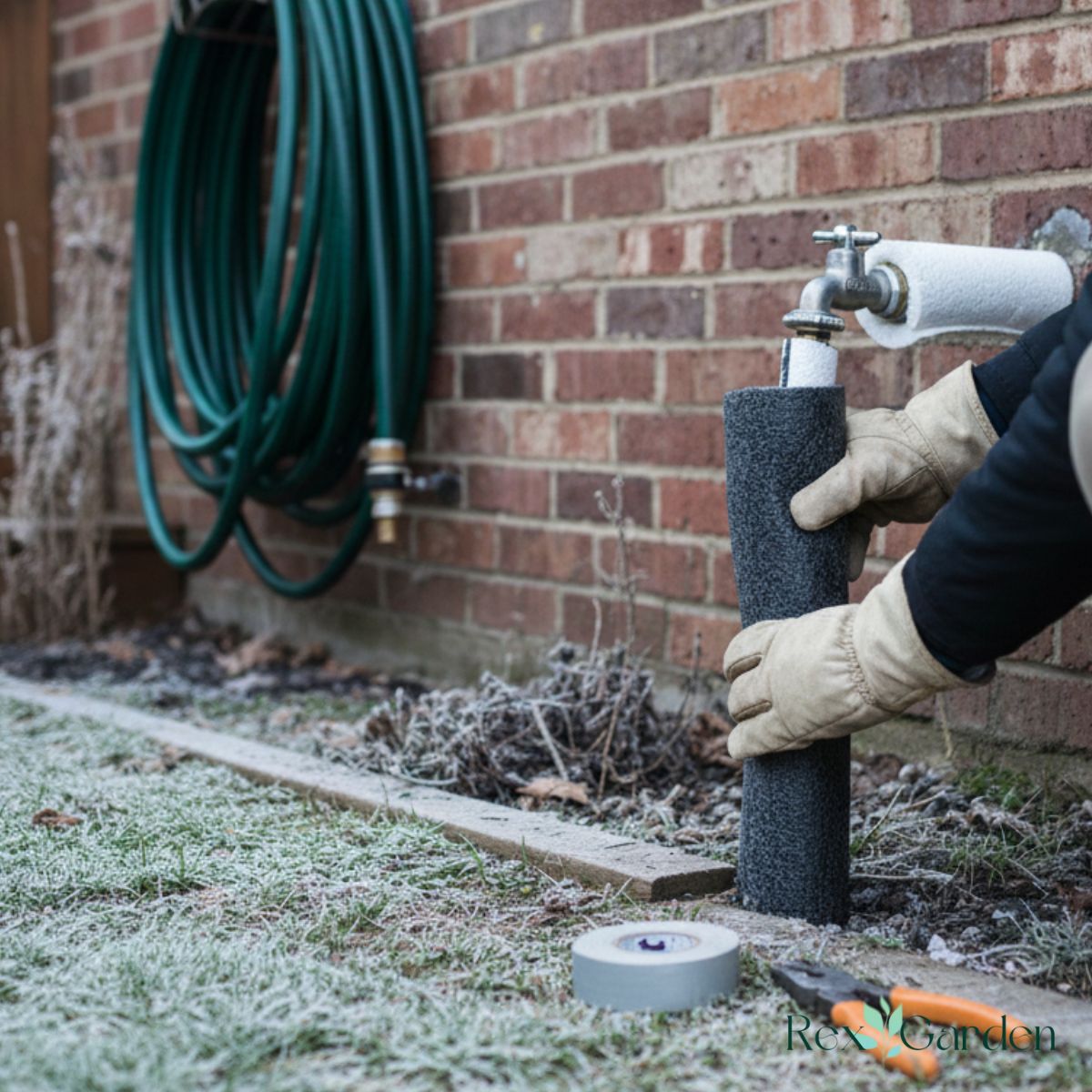
One of the most critical aspects of winterizing your home is safeguarding your outdoor plumbing from the threat of freezing. When water freezes, it expands, and this expansion can exert immense pressure on your pipes, leading to cracks and bursts that can cause significant water damage.
Disconnect and Drain Garden Hoses: Before the first freeze, it is crucial to disconnect all garden hoses from your outdoor faucets. Drain them completely by unwinding them and placing one end downhill to allow gravity to pull the remaining water out. Store the drained hoses in a garage or shed to protect them from the cold and sun, which can cause the material to become brittle.
Winterize Outdoor Faucets (Hose Bibs): Once the hoses are disconnected, the next step is to protect the faucets themselves. For homes with interior shut-off valves for outdoor spigots, turn off the water supply to each faucet. Then, go outside and open the faucet to allow any trapped water to drain out. Leaving the outdoor faucet open can allow any remaining water to expand without causing the pipe to break.
For added protection, install insulated faucet covers, which are readily available at hardware stores. These covers, often made of foam or insulated fabric, create a barrier against the cold air. You can also create a DIY faucet cover using materials like old t-shirts or rags wrapped around the faucet, covered with a plastic bag, and secured with tape.
Insulate Exposed Pipes: Any water pipes that are exposed to the elements, particularly those in unheated areas like crawl spaces, attics, or garages, should be insulated. Pipe insulation sleeves are an effective and easy-to-install option. In extremely cold climates, UL-listed "heat tape" or "heat cable" can be installed on exposed pipes to provide an extra layer of defense against freezing.
See my post on winterizing your swimming pool.
Storing and Protecting Outdoor Furniture
Outdoor furniture is a significant investment, and proper winter care will extend its life and keep it looking its best for seasons to come. The ideal method of protection depends on the material of your furniture and your available storage space.
Clean and Dry Thoroughly: Before storing any outdoor furniture, it's essential to clean it thoroughly. Use a mild soap and water solution to remove dirt, pollen, and any food residue that could attract pests.
For wood furniture, you may need a specialized cleaner to avoid damaging the finish. Ensure every piece is completely dry before covering or storing to prevent the growth of mold and mildew.
Indoor Storage: The best way to protect your outdoor furniture is to store it indoors in a clean, dry location like a garage, shed, or basement. This shields it from moisture, wind, and temperature fluctuations.
If space is limited, consider stackable chairs and disassembling tables to maximize your storage area.
Outdoor Storage with Covers: If indoor storage isn't an option, high-quality, weather-resistant covers are a must. Look for covers made from durable, waterproof, and breathable materials. Breathability is crucial as it allows moisture to escape, preventing condensation and the subsequent growth of mold and mildew.
Secure the covers tightly with straps or drawstrings to prevent them from blowing off in high winds. For added protection, consider placing furniture on pallets or blocks to keep it off the ground.
Cushions, Umbrellas, and Fabrics: Outdoor cushions, pillows, and umbrellas should always be stored indoors in a dry and pest-free environment.
Clean them thoroughly and ensure they are completely dry before storing them in breathable bags or bins to prevent mold and mildew. Vacuum-sealing cushions can be a space-saving option if you are concerned about moisture or pests.
Caring for Your Deck: Wood vs. Composite
Your deck is a central feature of your outdoor living space and requires specific care to withstand the winter months. The maintenance approach will differ depending on whether you have a wood or composite deck.
Wood Decks
- Clean Thoroughly: Before winter sets in, give your wood deck a good cleaning to remove dirt, leaves, and any mildew. A pressure washer on a low setting can be effective, but be careful not to damage the wood.
- Inspect and Repair: Carefully inspect the deck for any loose boards, protruding nails, or signs of rot. Make any necessary repairs now to prevent them from worsening over the winter.
- Apply a Water-Repellent Sealant: Applying a fresh coat of water-repellent sealant is one of the most important steps in winterizing a wood deck. This will help prevent moisture from rain, snow, and ice from penetrating the wood, which can lead to cracking and warping.
- Snow Removal: While it may be tempting to let snow accumulate, it's best to remove it, especially after heavy snowfall. Use a plastic shovel to avoid scratching or damaging the wood surface. Avoid using salt on your wood deck, as it can be corrosive. Sand can be used for traction if needed.
Composite Decks
- Cleaning: Composite decking is more resistant to moisture and decay than wood, but it still requires a good cleaning before winter. Use a mild soap and water solution or a cleaner specifically designed for composite materials.
- Clear Debris: Pay special attention to the gaps between the deck boards, clearing out any leaves or debris that could trap moisture and lead to mildew.
- Safe Snow and Ice Removal: Use a plastic shovel for snow removal to avoid scratching the surface. For ice, it's best to use a calcium chloride-based ice melt that is safe for composite decking. Avoid regular rock salt, which can be abrasive.
Maintaining Your Patio: Concrete, Pavers, and Stone
Patios made from concrete, pavers, or natural stone also need attention before winter arrives. The primary threat to these surfaces is the freeze-thaw cycle, which can cause significant damage.
Understanding the Freeze-Thaw Cycle: This damaging process occurs when water penetrates the porous surfaces of concrete or the joints between pavers, and then freezes and expands. This expansion creates pressure that can lead to cracking, spalling (flaking of the surface), and heaving of the pavers.
Poured Concrete Patios
- Clean the Surface: Before winter, thoroughly clean your concrete patio to remove dirt, grime, and any stains. This prevents moisture from being trapped against the surface.
- Inspect and Repair Cracks: Carefully inspect the patio for any existing cracks and fill them with a flexible concrete sealant. This will prevent water from seeping into the cracks and causing further damage during freeze-thaw cycles.
- Apply a Sealer: Applying a high-quality acrylic sealer can provide a protective barrier against moisture penetration. This is particularly important for newer concrete, which is more susceptible to damage.
- Promote Proper Drainage: Ensure that water drains away from your patio. Clogged gutters or downspouts that empty near the patio can lead to pooling water and increase the risk of freeze-thaw damage.
- Avoid Harsh Deicers: Do not use deicing salts containing ammonium nitrate or ammonium sulfate, as they can be very damaging to concrete. If you must use a deicer, opt for one that is specifically labeled as safe for concrete. Sand is a safe alternative for providing traction.
Paver and Stone Patios
- Clean and Weed: Thoroughly clean the surface of your paver or stone patio, removing any weeds or organic matter from the joints.
- Refill Joints: If the sand in the joints between your pavers is low, consider replenishing it with polymeric sand. This will help to lock the pavers in place and prevent water from seeping underneath.
- Consider Sealing: Applying a sealer can help protect the pavers from stains and water absorption, which can mitigate the effects of the freeze-thaw cycle. Paver patios and driveways typically need to be sealed every three years.
- Safe Snow Removal: Use a plastic shovel to clear snow from your paver or stone patio to avoid scratching the surface. If using a snow blower, adjust the blade height so it doesn't make direct contact with the pavers.
- Use Deicers Sparingly: If deicers are necessary, use them sparingly and choose a product that is safe for your specific type of paver or stone. Sand or kitty litter are excellent, non-damaging alternatives for traction.
Winterizing Your Outdoor Kitchen and Grill
For those who enjoy cooking outdoors, preparing your grill and outdoor kitchen for the winter is crucial for their longevity and performance.
- Thorough Cleaning: Give your grill a deep clean, removing all grease and food particles from the grates, burners, and interior. This will prevent pests from being attracted to your grill and will make your first spring barbecue more pleasant.
- Gas and Propane: For gas grills, turn off the gas supply. If you have a propane tank, it's a good practice to disconnect it.
- Protect Burners and Grates: Consider coating the grates and other metal parts with cooking oil to prevent rust. Some experts recommend wrapping the burners in plastic to keep insects from nesting inside them during the winter.
- Cover It Up: Use a heavy-duty, waterproof grill cover to protect it from the elements.
- Outdoor Kitchen Appliances: If you have an outdoor refrigerator, empty it, clean it, and unplug it. To prevent mold, leave the door slightly ajar. For sinks, shut off the water supply and drain the lines. Pouring a small amount of non-toxic RV antifreeze into the drain can prevent the trap from freezing.
Preparing Your Lawn and Garden for Winter

Your green spaces also need preparation to ensure they bounce back healthy and vibrant in the spring.
- Final Mow and Rake: Give your lawn one last mow before the first heavy snowfall. Rake up any fallen leaves to prevent them from smothering the grass and creating a breeding ground for diseases.
- Aerate and Fertilize: Fall is an ideal time to aerate your lawn to improve drainage. Applying a winter fertilizer will help the grass roots grow strong and healthy.
- Clean Up Garden Beds: Remove dead annuals and any diseased plant material to prevent pests and diseases from overwintering. Perennials can be cut back after the first hard frost.
- Add Mulch: Apply a layer of mulch around the base of trees, shrubs, and in your garden beds. This will help to insulate the soil, protect plant roots from extreme temperatures, and retain moisture.
- Protect Vulnerable Plants: For delicate shrubs or young trees, consider wrapping them in burlap or using a protective cover to shield them from heavy snow and harsh winds.
By following this comprehensive guide, you can confidently prepare your outdoor space for the winter, protecting your valuable investments and ensuring that your personal oasis is ready for you to enjoy as soon as the warmer weather returns.
A little effort now will pay significant dividends in the spring, saving you from costly repairs and allowing you to focus on the joys of outdoor living.
Comments
No Comments