A well-maintained garden is a source of pride, but stubborn weeds can quickly turn that pride into frustration. While grabbing a bottle of chemical herbicide seems like the quickest fix, many homeowners are realizing the hidden costs to their health, their pets, and the environment.
If you are looking for a natural weed killer that actually works, you are in the right place.
In this guide, we will explore why ditching chemicals is safer for your family and provide you with the most effective DIY weed killer recipes using ingredients you already have in your kitchen.
Read Next
Why Choose Natural Over Chemical Weed Killers?
Chemical weed killers (herbicides) work by attacking plants at a cellular level. While effective, they often rely on harsh ingredients like glyphosate.
Recent studies and high-profile lawsuits (specifically regarding Roundup) have linked prolonged exposure to glyphosate with serious health issues, including non-Hodgkin’s lymphoma. Beyond human health, these chemicals pose risks to:
- Pets: Dogs and cats walking on treated lawns can absorb toxins through their paws.
- Soil Health: Chemical runoff can disrupt the microbiome of your soil, making it harder to grow healthy plants in the future.
- Water Supply: Chemicals can leach into groundwater.
By switching to organic methods, you protect your ecosystem while still keeping your driveway and garden beds pristine.
The Ultimate DIY Weed Killer Recipe (Vinegar & Salt)
This is the most popular homemade weed killer for a reason—it works fast. This mixture acts as a "desiccant," meaning it draws moisture out of the weed, causing it to dry up and die.
Ingredients:
- 1 Gallon of White Vinegar (5% acidity is standard, but 10-20% horticultural vinegar is stronger).
- 1 Cup of Table Salt (or Epsom salts).
- 1 Tablespoon of Liquid Dish Soap (acts as a surfactant to help the liquid stick to leaves).
- Optional: A few drops of Citrus Essential Oil (burns the weed).
Instructions:
- Mix: Pour the vinegar and salt into a large bucket or sprayer. Stir until the salt is completely dissolved.
- Add Soap: Stir in the dish soap last (so it doesn't foam up too much).
- Apply: Pour into a spray bottle or garden sprayer.
⚠️ Important Warning:
This mixture is non-selective. It will kill anything it touches, including your prize roses or lawn grass. Additionally, salt can sterilize soil, preventing anything from growing there for a long time.
- Best for: Driveway cracks, paver patios, and gravel paths.
- Avoid: Flower beds or vegetable gardens (use the method below instead).
3 Other Effective Natural Weed Control Methods
If you need to kill weeds in a flower bed where the vinegar/salt mixture is too dangerous to use, try these alternatives:
1. Boiling Water
The simplest method on earth. Boil a kettle of water and pour it directly onto the crown of the weed. This literally "cooks" the plant cells.
- Best for: Sidewalk cracks and stubborn dandelions.
2. Corn Gluten Meal
This is a preventative measure (pre-emergent). Corn gluten meal prevents weed seeds from germinating.
- Best for: Spreading over established lawns in early spring to prevent crabgrass.
3. Manual Removal (The Right Way)
Sometimes, pulling them is best. To ensure they don't come back, water the soil first to loosen the roots, then use a tool like a dandelion fork to remove the entire taproot.
The Roundup Controversy: A Lesson in Safety

Why the sudden shift to natural methods? Much of it stems from the controversy surrounding Roundup (produced by Monsanto/Bayer).
Since 2015, over 4,000 lawsuits have been filed alleging that the lack of warning labels regarding glyphosate contributed to cancer diagnoses. In 2018, a landmark case in San Francisco resulted in a $289 million settlement against Monsanto.
While these products are still on shelves, the legal battles serve as a stark reminder: just because a product is sold in stores doesn't mean it is risk-free for your family.
Tips for Applying Natural Herbicides
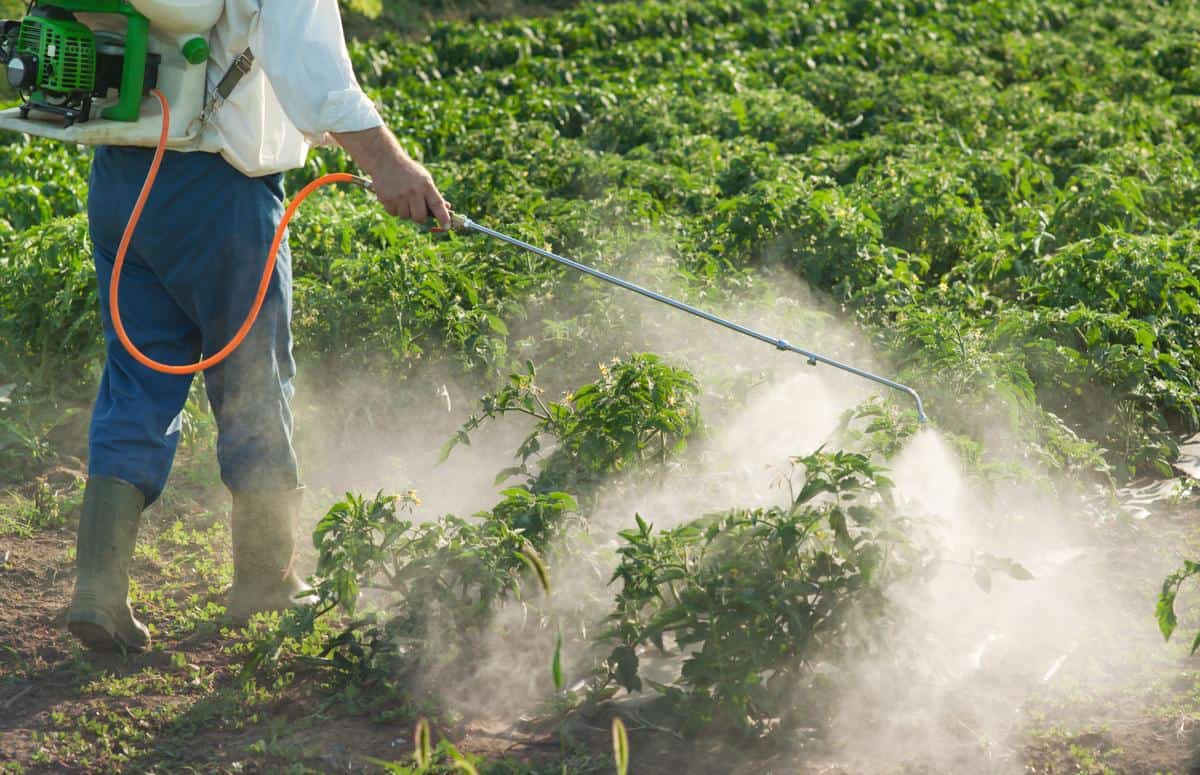
To get the best results from your DIY mixture, follow these rules:
- Pick a Sunny Day: Natural weed killers work best with heat and light. Spraying on a hot, sunny afternoon will accelerate the withering process.
- Watch the Rain: Ensure no rain is in the forecast for at least 24 hours so the solution doesn't wash away.
- Be Patient: Unlike systemic chemicals that kill the root immediately, natural methods may require a second application for deep-rooted weeds.
Conclusion
You don't need toxic chemicals to have a beautiful yard. Whether you use the vinegar and salt method for your driveway or boiling water for your patio, natural weed killing is effective, affordable, and most importantly, safe for the people and pets you love.
Comments
No Comments