Geraniums (Pelargoniums) are the quintessential garden favorite. Celebrated for their vibrant colors, fragrant foliage, and near-indestructible nature. But nothing is more frustrating than expecting a sea of bright pink, red, or white blossoms, only to end up with a pot full of lush green leaves and zero flowers.
If your geraniums have gone on a bloom strike, don't worry. This is one of the most common issues gardeners face, and the fixes are usually remarkably simple.
Read Next
Here is a breakdown of why your geraniums aren't blooming and the step-by-step actions you can take to trigger an explosion of fresh flowers.
1. They Aren't Getting Enough Sun
Geraniums are sun worshipers at heart. While they can survive in partial shade, they will prioritize survival and green foliage over flowering if lighting is insufficient.
- The Cause: Less than 6 hours of direct sunlight daily causes the plant to stretch (get leggy) and withhold flower production.
- The Fix: Move your geraniums to the sunniest spot in your garden or porch where they get at least 6 hours of direct, unbroken sunlight every day. In extremely hot climates (over 90°F/32°C), a location with bright morning sun and light afternoon shade is ideal.
2. Too Much Nitrogen in Your Fertilizer
It sounds counterintuitive, but feeding your geraniums too much fertilizer can actually stop them from blooming.
- The Cause: High-nitrogen fertilizers promote rapid, leafy green growth at the expense of flower buds. If your plant is massive, bushy, and deep green but has no buds, nitrogen overload is almost certainly the culprit.
- The Fix: Switch to a blooming or fruit-boosting fertilizer high in phosphorus (the middle number in the N-P-K ratio on fertilizer labels, such as 10-20-10 or 5-10-5). Feed your geraniums every 2 to 3 weeks during the spring and summer growing season.
3. Over-Watering or Poor Drainage
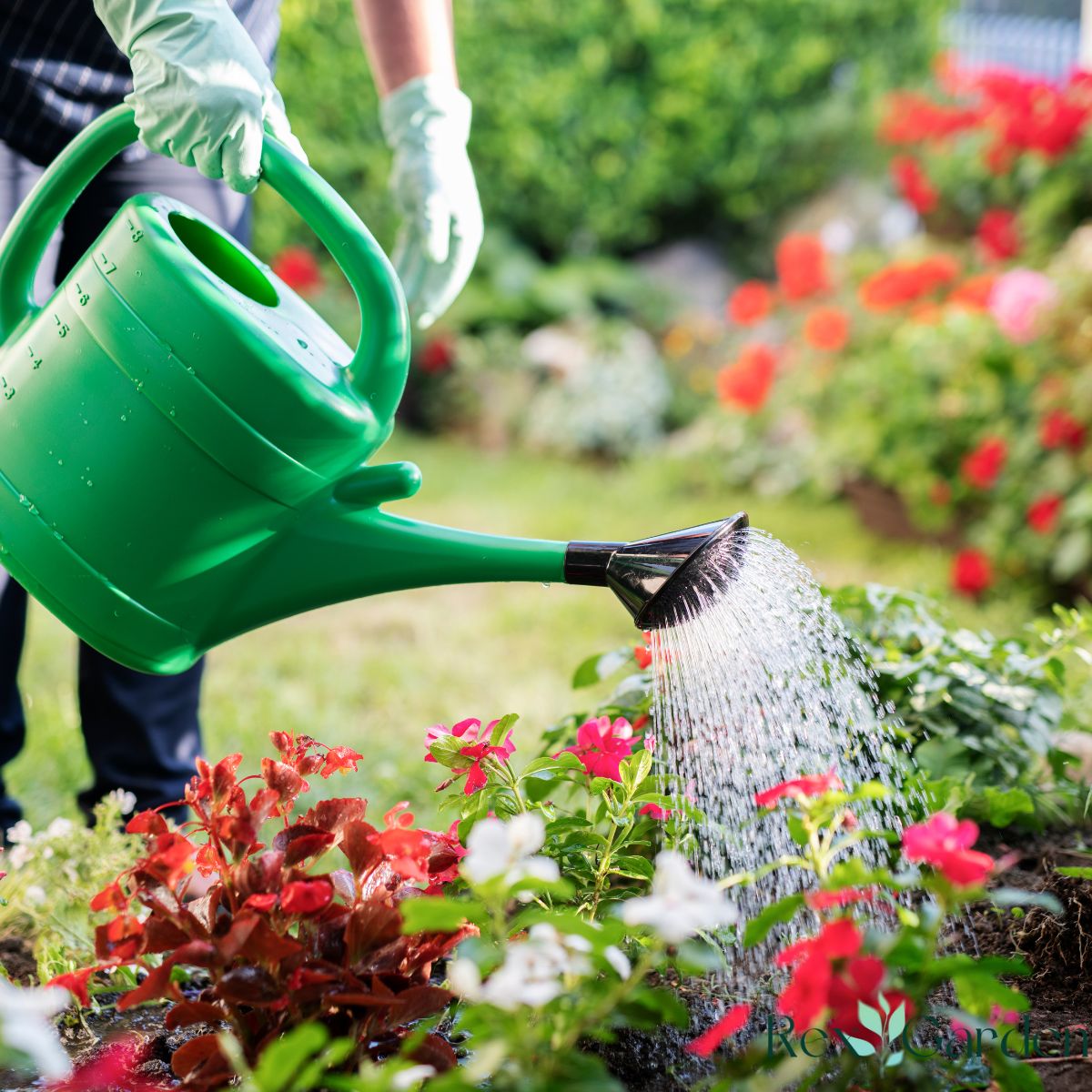
Geraniums are native to South Africa and prefer their roots to lean slightly on the drier side. Soggy, waterlogged soil stresses the plant's root system, making flower production impossible.
- The Cause: Watering too frequently or using pots without drainage holes causes root rot and nutrient lockout.
- The Fix: Always let the top 1 to 2 inches of soil dry out completely between waterings. When you do water, soak the pot thoroughly until water drains out of the bottom holes, then empty any saucer underneath so the pot doesn't sit in standing water.
4. You Aren't Deadheading (or You're Doing It Wrong)
Once a geranium bloom dies, the plant shifts its energy into setting seeds unless you intervene.
- The Cause: Leaving spent blooms on the stalk signals to the plant that its job is done for the season.
- The Fix: Deadhead regularly! Don't just snip off the dead petals at the top. Trace the flower stalk all the way down to where it joins the main stem, and snap or snip it cleanly off at the base. This redirects the plant's energy directly into pushing out new floral buds.
5. Extreme Summer Heat
Geraniums thrive in warm weather, but extreme heat waves (consistently above 85°F to 90°F) can cause "heat dormancy."
- The Cause: Under severe thermal stress, geraniums stall their growth and drop buds to conserve moisture and energy.
- The Fix: During hot summer slumps, provide your potted geraniums with some dappled shade during the hottest afternoon hours (2 PM to 5 PM) and keep soil moisture consistent (never bone-dry, never soggy). Once cooler late-summer or early-autumn temperatures arrive, the blooms will return in force.
Quick-Check Checklist for Maximum Blooms
| Problem | Symptom | Quick Solution |
| Low Light | Leggy stems, pale leaves | Move to 6+ hours of direct sun |
| High Nitrogen | Lush foliage, zero buds | Switch to high-phosphorus fertilizer |
| Over-watering | Yellow leaves, soft stems | Allow top 2 inches of soil to dry out |
| Old Blooms Left | Faded seed pods on stalks | Snap spent stems off at the base |
| Excessive Heat | Dropped buds, stalled growth | Offer dappled afternoon shade |
Similarly, as temperatures drop below 50°F in late autumn, geraniums will stall flower production entirely as they prepare for winter. If cold weather is approaching in your zone, don't let a freeze kill your garden investment. Learn how to easily overwinter your geraniums indoors so they hit the ground running with fresh blooms as soon as spring arrives
The 3-Step "Bloom Boost" Action Plan
If you want to kickstart your geraniums into blooming within the next 2 to 3 weeks, follow this quick reset:
- Prune & Clean: Snap off all spent flowers, yellowing leaves, and leggy stem tips to encourage branching.
- Relocate: Shift the container to your sunniest southern or western-facing location.
- Feed: Give them a thorough soak with a water-soluble, high-phosphorus liquid blossom booster.
With a little adjustments to light, water, and feeding, your geraniums will reward you with rich, non-stop color all season long!
Comments
No Comments