When most people spot an insect crawling across a zucchini leaf or perched on a tomato stem, their first instinct is to reach for a bottle of pesticide. But spraying broad-spectrum chemicals does more harm than good—it wipes out the entire local ecosystem, including the tiny security guards that keep destructive pests in check.
Read Next
In a balanced organic garden, less than 2% of all insect species are actually harmful pests. The rest are completely neutral or highly beneficial.
By inviting the right predatory insects into your backyard, you create a self-sustaining ecosystem where nature handles the pest control for you. Here are five beneficial insects you want on your payroll and how to recruit them.
1. Ladybugs (The Aphid Assassins)
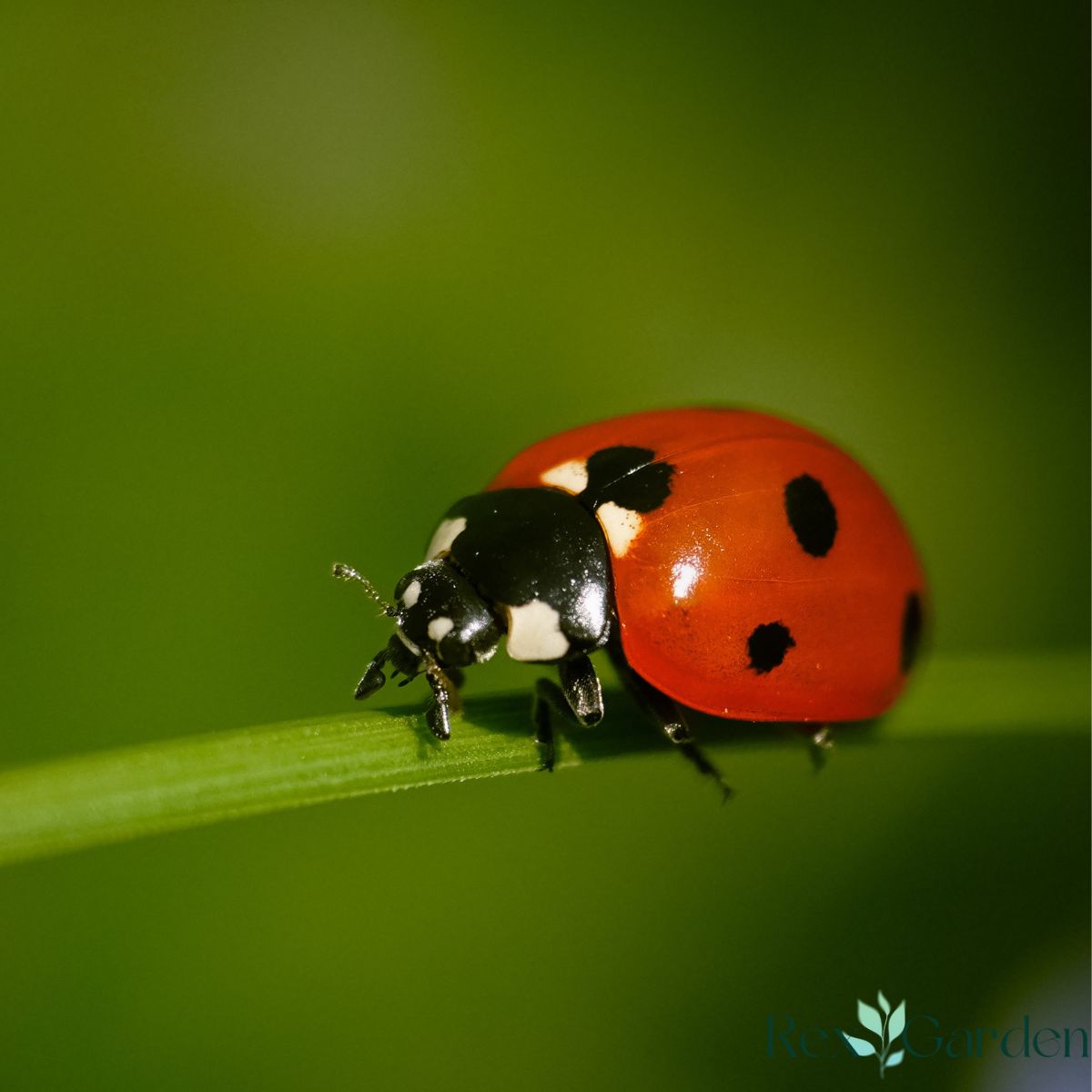
Ladybugs are the undisputed superstars of biological pest control. While the cute, spotted adults certainly eat their fair share of pests, it is actually their larvae—which look like tiny, black-and-orange alligators—that possess the truly insatiable appetites.
- What They Eat: Aphids, spider mites, thrips, and scale insects. A single ladybug can devour up to 5,000 aphids during its lifetime.
- How to Attract Them: Plant umbrella-shaped flower clusters (umbels) like dill, fennel, coriander, and yarrow. They need the pollen and nectar from these specific shallow flowers to survive before pest populations peak.
2. Green Lacewings (The Hidden Warriors)
If ladybugs are the superstars, green lacewings are the secret weapons. The adults are delicate, pale-green insects with translucent wings that fly primarily at night. Their larvae, however, are aggressively predatory and are often nicknamed "aphid lions" because they attack prey using giant, curved mandibles.
- What They Eat: Mealybugs, whiteflies, leafhoppers, thrips, and caterpillar eggs.
- How to Attract Them: Lacewings love sweet alyssum, cosmos, and coreopsis. Keeping a small pile of brush or leaves in a corner of the yard also provides excellent winter shelter for them to hibernate.
3. Hoverflies (The Double-Duty Helpers)
Hoverflies (or flower flies) are frequently mistaken for tiny sweat bees or wasps because of their bright yellow-and-black striped abdomens. However, they are completely harmless to humans and do not sting. They provide a massive double benefit to your yard: the adults are exceptional pollinators, while their slug-like larvae hunt down plant pests.
- What They Eat: Soft-bodied garden pests, primarily targeting dense colonies of aphids.
- How to Attract Them: They are highly attracted to bright yellow and white blooms. Plant plenty of marigolds, sweet alyssum, buckwheat, and chamomile near your vegetable beds.
4. Praying Mantises (The Apex Predators)
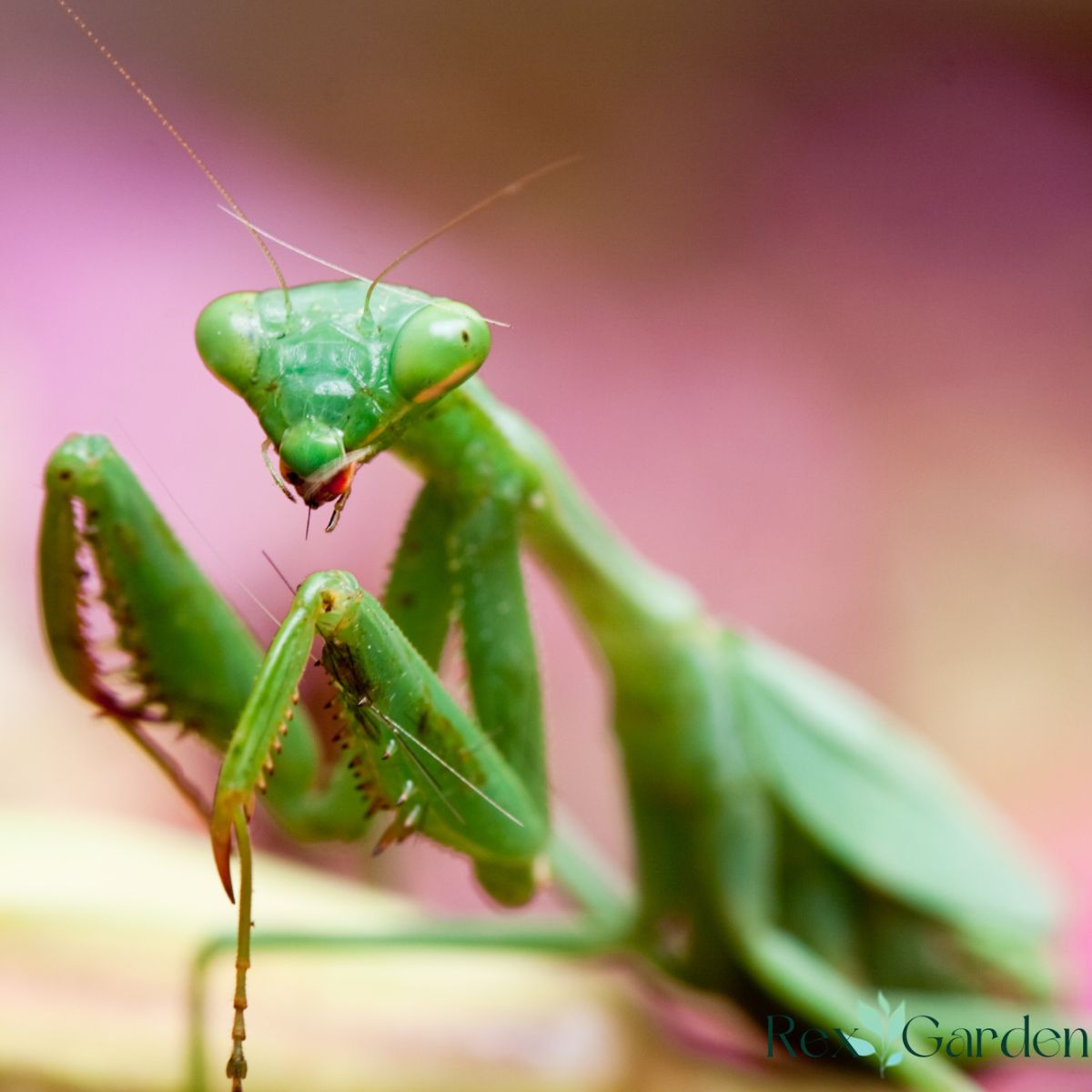
The praying mantis is the undisputed heavyweight king of the garden bed. Utilizing incredible camouflage and lightning-fast reflexes, they sit perfectly still on stems waiting for unsuspecting bugs to wander past. Because they are generalist predators, they will eat almost anything they can catch.
- What They Eat: Grasshoppers, crickets, beetles, large caterpillars, and moths.
- How to Attract Them: Mantises need structure and cover to hide from birds. Plant dense, permanent shrubbery, tall ornamental grasses, or perennial herbs like rosemary and lavender.
5. Ground Beetles (The Night Patrol)
While the other beneficial bugs on this list handle the leaves and flowers, ground beetles dominate the soil surface. These dark, iridescent, fast-moving beetles hide under rocks, mulch, or logs during the day and come out at night to clear the soil of pests that target plant roots and low-hanging stems.
- What They Eat: Slugs, snails, cutworms, cabbage maggots, and Colorado potato beetle larvae.
- How to Attract Them: Because they hunt at night, they need cool, damp hiding spots during the day. Provide plenty of organic wood mulch, stepping stones, or low-growing ground covers like thyme to give them a safe haven.
The #1 Golden Rule for Attracting Beneficials: You must tolerate a little bit of pest damage. If you spray chemicals at the very first sign of an aphid, you eliminate the food source that beneficial insects need to survive and reproduce. Be patient, plant a variety of flowers, and let nature bring the balance back to your backyard.
The Ultimate 4' x 8' Companion Bed Blueprint
To put these beneficial insects to work, you need to plant their favorite flowers and herbs directly alongside your vegetables. This highly efficient 4x8-foot garden bed layout creates a natural "security perimeter" that protects your crops while maximizing space.
The Garden Bed Map
[NORTH EDGE]  - Tallest Crops & Trellises (Won't shade out the bed)
+-------------------------------------------------------------------------+
|   Climbing Cucumbers    |  Dill  |    Vining Tomatoes    |  Sweet Basil |
+-------------------------------------------------------------------------+
|     Bell Pepper     |  Bronze Fennel  |  Jalapeno  |   Summer Squash    |
+-------------------------------------------------------------------------+
|    Sweet Alyssum    | French Marigold |    Yarrow  |  Cilantro/Cor.     |
+-------------------------------------------------------------------------+
[SOUTH EDGE]  - Shortest Crops & Continuous Blooms (Faces the sun)
- 5 Self-Seeding Vegetables That Will Replant Themselves Every Year
- 7 Vegetables That Thrive in Total Shade Zones
- 5 High-Yield Vegetables to Grow Vertically in a Tiny Backyard
- How to Protect Cabbage from Insects




How This Layout Protects Your Garden
1. The North Row: Trellised Crops + Flower Umbels
- The Vegetables: 2 Climbing Cucumbers and 2 Vining Tomatoes.
- The Beneficial Companions: Dill and Sweet Basil.
- The Strategy: Let your dill bolt and produce yellow, umbrella-shaped flower clusters (umbels). These shallow blooms are the primary food source for adult ladybugs and hoverflies, whose hungry larvae will immediately clear out any aphids or spider mites attacking your cucumber vines.
2. The Middle Row: Mid-Sized Crops + Caterpillar Defense
- The Vegetables: 2 Pepper plants and 1 Bush Summer Squash.
- The Beneficial Companions: Bronze Fennel and Cosmos.
- The Strategy: Fennel is a magnet for tiny, non-stinging parasitic wasps. These micro-wasps lay their eggs inside destructive tomato hornworms and cutworms, neutralizing them before they can strip your prize nightshades bare.
3. The South Edge: The "Security Carpet" Border
- The Beneficial Companions: A dense, low-growing mix of Sweet Alyssum, French Marigolds, Yarrow, and Coriander.
- The Strategy: Planted along the sunniest front edge of the bed, this living border acts as a chemical beacon for beneficials.
- Sweet Alyssum releases a sweet honey scent that draws in green lacewings.
- Marigolds release root compounds that repel bad soil nematodes while attracting adult hoverflies.
- Yarrow provides a flat landing pad for larger assassin bugs to hunt down beetles.
By embracing these natural, efficient growing methods—whether you are maximizing your footprint with vertical trellises, scaling up your harvest with fabric grow bags, or recruiting a tiny army of beneficial insects—you can completely transform what a small backyard is capable of producing.
True garden abundance isn't about how many square feet of pristine land you own; it's about how smartly you work with the space and the ecosystem you have. Set up your bags, build your vertical supports, plant your pollinator borders, and let nature do the heavy lifting for you this season!
Comments
No Comments