
Every spring, the standard gardening ritual begins: buying seeds, starting fragile seedlings under grow lights, hardening them off, and meticulously planting them out—only to watch them die off when winter hits. It is a beautiful process, but let's be honest: it is exhausting.
Read Next
- 1. Asparagus (Asparagus officinalis)
- 2. Rhubarb (Rheum rhabarbarum)
- 3. Sunchokes / Jerusalem Artichokes (Helianthus tuberosus)
- 4. Horseradish (Armoracia rusticana)
- 5. Walking Onions / Egyptian Walking Onions (Allium × proliferum)
- 6. Garlic Chives (Allium tuberosum)
- 7. Sorrel (Rumex acetosa)
- Perennial Performance At-A-Glance
- 💬 Feedback
If you are tired of restarting your entire garden from scratch every single year, it is time to let perennials do the heavy lifting.
Perennial crops are the ultimate hack for lazy (or busy!) gardeners. You do the hard work of planting them exactly once. After that, they go dormant in the winter, wake themselves up in the spring, and yield fresh, organic food year after year.
Here are 7 incredibly low-maintenance perennial crops that will keep feeding you for a decade or more.
1. Asparagus (Asparagus officinalis)
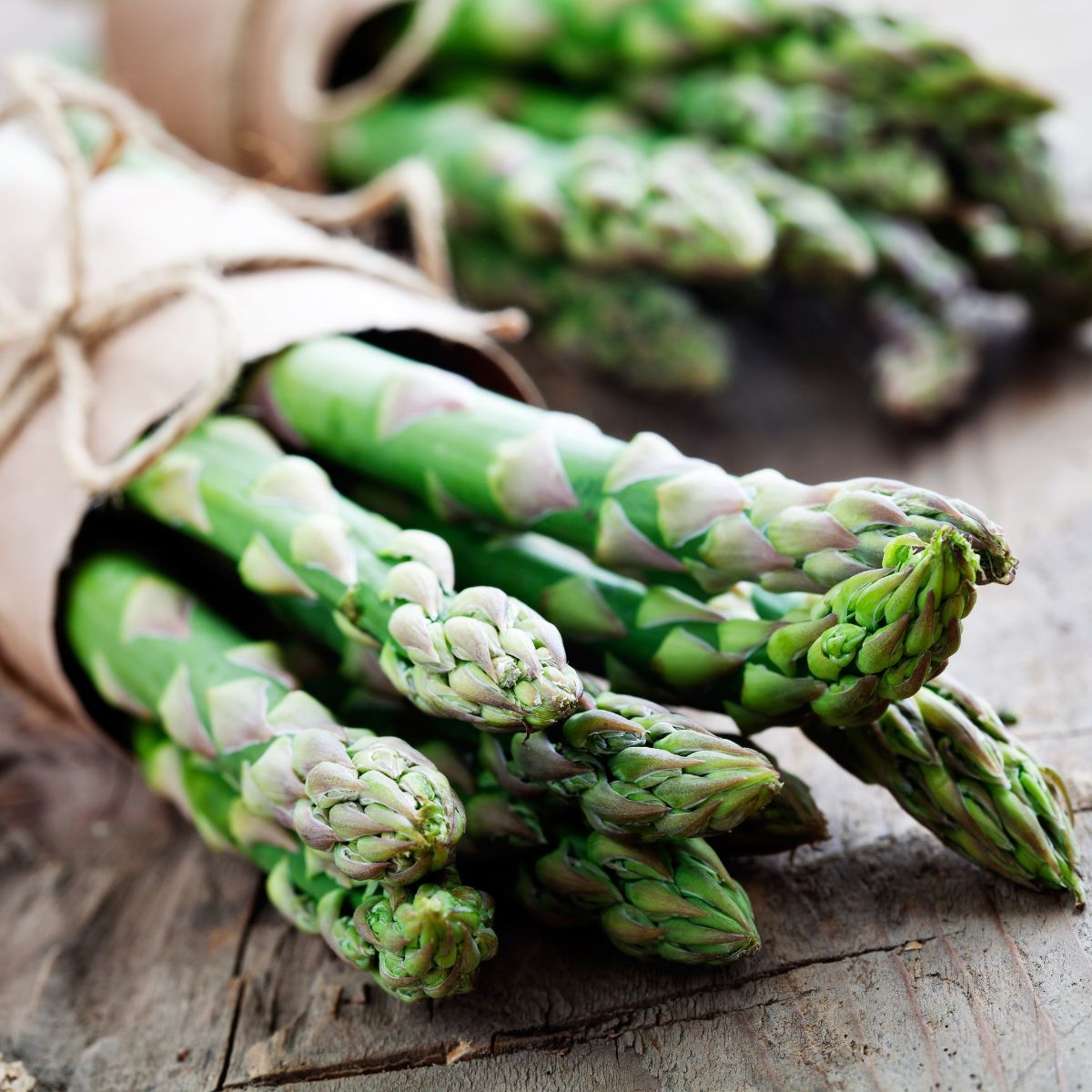
Asparagus is the absolute royalty of lazy gardening. Once an asparagus bed is established, it can easily produce a massive harvest of crisp, tender spears every spring for 20 to 30 years.
- The Catch: You have to play the long game. You shouldn't harvest asparagus during its first two years after planting "crowns" (bare-root plants). It needs that time to build a strong root system. But from year three onward? It's an all-you-can-eat spring buffet.
- Lazy Care: Throw down a thick layer of mulch every autumn to keep weeds at bay, and let the summer ferns grow out to feed the roots.
2. Rhubarb (Rheum rhabarbarum)

If you love tangy pies, jams, and crumbles, rhubarb is a must-have. This hardy perennial thrives on neglect and features massive, architectural green leaves with vibrant crimson stalks.
- The Catch: Only eat the stalks! Rhubarb leaves contain high levels of oxalic acid and are toxic.
- Lazy Care: Rhubarb loves compost. Give it a good side-dressing of aged manure or compost in the spring, water it during severe droughts, and it will happily return for 10 to 15 years.
3. Sunchokes / Jerusalem Artichokes (Helianthus tuberosus)
Want a crop that is so low-maintenance it borders on aggressive? Meet the sunchoke. A member of the sunflower family, this plant grows beautiful 8-foot-tall yellow blooms in summer. Underground, it produces crunchy, nutty tubers that taste like a cross between a potato and a water chestnut.
- The Catch: They spread like crazy. If you leave even a tiny piece of a tuber in the ground during harvest, it will grow into a new plant next year.
- Lazy Care: Plant them in a dedicated, contained bed or large pots so they don't take over your yard. Dig them up in late autumn after the first frost, eat what you want, and leave a few behind for next year's automatic crop.
4. Horseradish (Armoracia rusticana)
If you love a spicy kick in your cocktails, sauces, or roasts, stop buying store-bought jars. One single horseradish plant will provide you with a lifetime supply of pungent, high-potency roots.
- The Catch: Much like sunchokes, horseradish is exceptionally vigorous. It is incredibly tough to kill once established.
- Lazy Care: Plant it in a sunken container or a corner of the garden where it has room to thrive without choking out delicate annuals. Dig up sections of the root in late autumn, grate it fresh, and let the rest keep growing.
5. Walking Onions / Egyptian Walking Onions (Allium × proliferum)
Instead of growing flowers at the top of their stalks, these bizarre, whimsical onions grow clusters of mini-bulbs (called bulblets). As the cluster gets heavy, the stem bends over, touches the soil, and the bulblets take root a few inches away. Over time, the onion literally "walks" across your garden.
- The Yield: You can eat the green shoots like scallions in early spring, use the spicy underground bulbs like shallots, or pickle the tiny top-bulblets.
- Lazy Care: Literally do nothing. They will plant themselves, move themselves, and survive the harshest winters without any help from you.
6. Garlic Chives (Allium tuberosum)
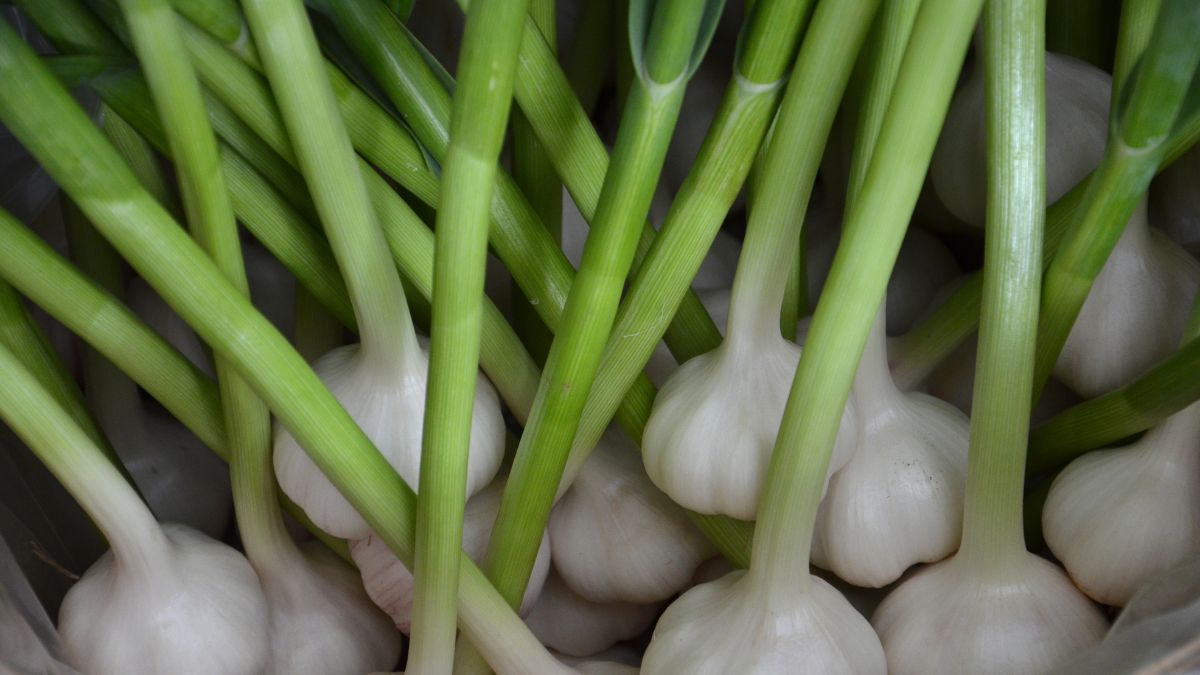
Regular chives are great, but garlic chives offer a subtle, delicious blend of onion and garlic flavors that elevates almost any savory dish. They feature flat, grass-like leaves and beautiful white edible flowers that pollinators absolutely love.
- The Yield: Cut them down to the ground multiple times a summer; they will rapidly grow right back.
- Lazy Care: They are highly drought-tolerant and pest-resistant. Just give them a sunny spot and cut the flower heads off before they drop seeds if you want to keep them from spreading too far.
7. Sorrel (Rumex acetosa)
Sorrel is one of the very first greens to pop up in the freezing days of early spring, long before spinach or lettuce can handle the weather. It has a bright, remarkably distinct lemony flavor that adds a fantastic punch to salads, soups, and pestos.
- The Yield: A single clump will yield tender greens from March all the way through autumn.
- Lazy Care: Cut back the flower stalks in summer to keep the leaves tasting sweet and tender. It requires zero cold protection and handles frost like a champ.
- 5 Self-Seeding Vegetables That Will Replant Themselves Every Year
- 7 Vegetables That Thrive in Total Shade Zones
- 5 High-Yield Vegetables to Grow Vertically in a Tiny Backyard
- How to Protect Cabbage from Insects
Perennial Performance At-A-Glance
| Crop | Lifespan | Best Planting Location | Harvest Season |
| Asparagus | 20–30 Years | Dedicated, well-draining bed | Spring |
| Rhubarb | 10–15+ Years | Cooler, compost-rich zone | Spring to Early Summer |
| Sunchokes | Indefinite | Contained bed or border walls | Autumn & Winter |
| Horseradish | Indefinite | Large root-pot or isolated plot | Late Autumn |
| Walking Onions | Indefinite | Any open garden space | Year-round |
| Garlic Chives | 10+ Years | Full sun, borders, or pots | Spring through Autumn |
| Sorrel | 5–8 Years | Partial shade to full sun | Early Spring to Autumn |
Pro-Tip for Success: Because perennial crops stay in the exact same spot for decades, take an extra 10 minutes to prep their planting hole with plenty of high-quality compost and organic fertilizer. A little extra love on day one guarantees lazy, effortless harvests for years to come.
Comments
No Comments