
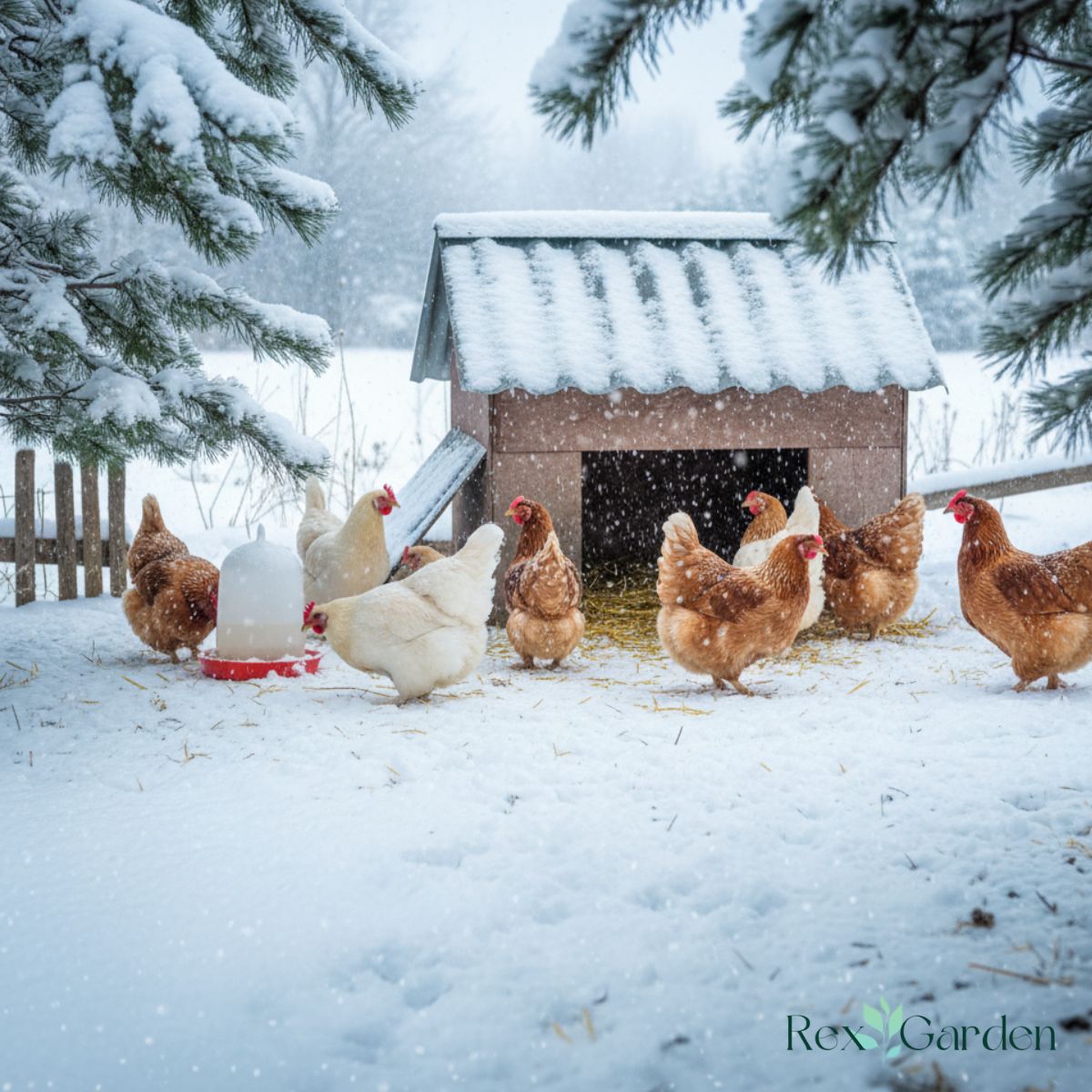
Learning how to prepare your chickens for cold weather is one of the most essential skills a backyard chicken keeper can develop. As autumn leaves begin to fall and a crisp chill enters the air, it’s natural to worry about how your flock will handle the freezing temperatures, snow, and biting winds of winter.
Read Next
- Understanding Chickens and the Cold: Nature's Toolkit
- Pre-Winter Health Check: A Strong Flock is a Warm Flock
- Winterizing the Coop: Your Flock's Fortress Against the Cold
- Winter Nutrition and Hydration: Fueling the Internal Furnace
- Boredom Busters: Keeping a Coop-Bound Flock Happy
- Frostbite Prevention and Care
- 💬 Feedback
While it’s true that chickens are surprisingly resilient and come equipped with their own down coats, they aren't invincible. Proper preparation is the key to ensuring your flock not only survives the winter but thrives through it, emerging healthy, happy, and ready for spring laying.
This guide will walk you through every critical step, from winterizing the coop to adjusting their feed, ensuring you have the knowledge and confidence to protect your chickens from the harshest conditions.
Understanding Chickens and the Cold: Nature's Toolkit
Before we dive into what you need to do, it’s important to understand what your chickens can already do. Chickens are remarkably well-adapted to cold climates, thanks to a few incredible biological features.
The Built-In Down Coat
The secret to a chicken's warmth is its feathers. When it gets cold, a chicken will fluff up its feathers, trapping tiny pockets of air between its feathers and its body. This trapped air is then warmed by the chicken's body heat, creating a highly effective layer of insulation—much like a high-quality down jacket. This is why you'll often see your chickens looking extra puffy on a cold morning. A healthy, well-feathered chicken is a well-insulated chicken.
The Counter-Current Heat Exchange
Have you ever wondered how chickens can stand barefoot on frozen ground or snow without their feet freezing? They have a fascinating circulatory system in their legs and feet called a counter-current heat exchange.
The arteries carrying warm blood down to their feet are located very close to the veins carrying cold blood back up to their body. As the blood flows, the warm arterial blood transfers most of its heat to the cold venous blood. This means the blood reaching their feet is already cool, so very little heat is lost to the frozen ground, and the blood returning to their body is pre-warmed, preventing their core temperature from dropping.
Huddling for Warmth
Chickens are social creatures, and they use this to their advantage in the cold. At night, they will huddle together tightly on their roosting bars. By pressing their bodies together, they share body heat, significantly increasing the ambient temperature of their immediate group and reducing individual heat loss.
Pre-Winter Health Check: A Strong Flock is a Warm Flock
Your winter preparations should begin in the fall with a thorough health assessment of every bird in your flock. A chicken that enters winter in peak condition is far better equipped to handle the stresses of the cold.
Check for Weight and Condition
Gently pick up each hen and feel her keel bone (the bone running down the center of her breast). It should be well-fleshed on both sides but still palpable. A sharp, prominent keel bone indicates the bird is underweight and may not have the necessary fat reserves to stay warm.
A little extra body weight heading into winter is beneficial, as it provides both insulation and energy reserves. If a bird feels light, consider separating her for supplemental feeding.
Molting Management
Most chickens go through an annual molt in the fall, shedding their old, worn feathers and growing a new, dense set for winter. This process is extremely taxing on a hen’s body.
During the molt, egg production will cease as all her protein and energy resources are redirected into feather production. Feathers are about 85% protein, so it’s crucial to support your flock during this time by switching to a higher-protein feed (20-22% protein) until their new feathers have fully grown in. A fast, successful molt ensures they have their full "winter coat" before the first deep freeze.
See my complete guide Chicken Molting 101 Everything You Need to Know About Feather Loss.
Parasite Patrol
External parasites like mites and lice are a drain on a chicken’s resources. These pests feed on blood and can cause anemia, stress, and feather damage, all of which will severely impact a bird's ability to stay warm.
Before winter sets in, perform a thorough check for parasites, paying close attention to the area around the vent and under the wings. Treat the entire flock and coop if you find any evidence of an infestation. A parasite-free flock is a healthy flock.
Winterizing the Coop: Your Flock's Fortress Against the Cold
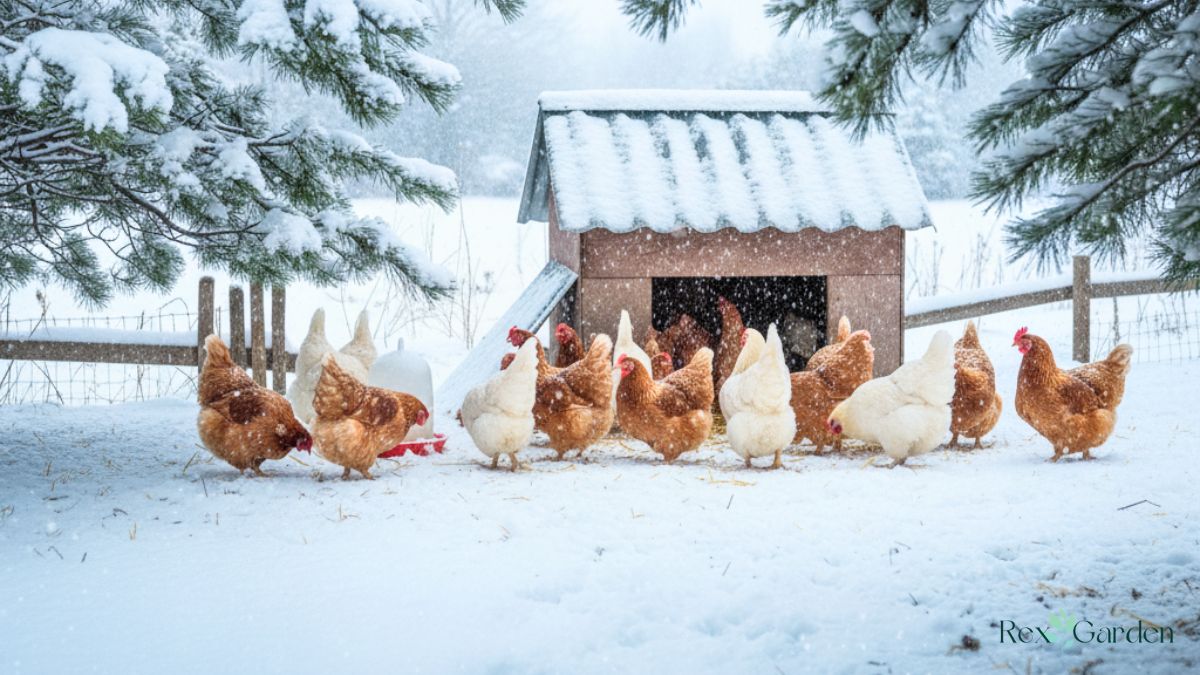
The coop is your flock's primary shelter from winter's worst. Your goal is not to make it warm and toasty like your house, but to keep it dry and free from drafts.
The Golden Rule: No Drafts, Just Ventilation
This is the single most important concept in winter coop management. Drafts kill, but ventilation saves.
- Drafts are cold streams of air that blow directly onto your chickens while they are roosting. A constant draft will rob them of their body heat, making it impossible for them to stay warm, and can quickly lead to illness or death. Drafts typically occur from holes, cracks, or open windows at or below the level of the roosting bars.
- Ventilation is the passive movement of air that allows moist air and ammonia fumes to escape the coop. This is absolutely essential. Ventilation openings should be high up in the coop, well above the roosts, near the ceiling.
As chickens breathe and poop, they release a tremendous amount of moisture. If this humid air is trapped in a sealed coop, it will condense on surfaces, leading to a damp, cold environment and making your chickens highly susceptible to frostbite. Proper high ventilation allows this moist air to escape while fresh, dry air circulates above the birds' heads.
To Heat or Not to Heat?: The Great Debate
It can be tempting to add a heat lamp to the coop on a frigid night, but for most chicken keepers, this is a dangerous and unnecessary risk. Actively heating your coop is strongly discouraged for several reasons:
- Fire Hazard: Heat lamps are the number one cause of coop fires. A bulb breaking, a lamp falling into flammable bedding, or a chicken flying into it can lead to a devastating fire in minutes.
- Power Outages: If you heat the coop, your chickens will not become properly acclimated to the cold. If a winter storm knocks out your power, the sudden, drastic drop in temperature can send them into shock, which can be fatal.
- Dependency: Chickens that are kept artificially warm don’t build up their natural cold hardiness.
Unless you live in an extremely harsh northern climate where temperatures regularly plummet far below 0°F (-18°C) for extended periods, your flock does not need supplemental heat. A well-designed, draft-free coop is sufficient.
The Deep Litter Method: A Natural Heater
One of the best ways to manage your coop in the winter is by using the deep litter method. This technique involves starting with a 4-6 inch layer of clean pine shavings in the fall and simply turning it with a pitchfork and adding a thin new layer of shavings on top each week. The chicken manure composts within the bedding, and this microbial activity generates a surprising amount of natural, gentle heat, warming the coop from the ground up. It also creates a thick, insulating layer over the cold floor and keeps the coop smelling fresh.
Winter Nutrition and Hydration: Fueling the Internal Furnace
Metabolism is your flock's internal furnace, and it needs the right fuel to run hot during the winter.
Feed Adjustments for Cold Weather
Digesting food generates body heat, so chickens naturally eat more in the winter. Ensure their feeder is always full with a high-quality layer feed (16-18% protein). A fantastic winter strategy is to give them a handful of scratch grains (a mix of cracked corn and other grains) in the late afternoon, about an hour before they roost. Corn is a high-energy carbohydrate that takes longer to digest, which revs up their metabolism and helps keep them warmer through the long, cold night.
The Critical Challenge of Water
Access to fresh, unfrozen water is the biggest challenge of winter chicken keeping. Chickens cannot eat snow, and they will become dehydrated very quickly without access to liquid water. Dehydration is a serious threat that can lead to death much faster than the cold itself. You must have a reliable method to provide unfrozen water every day.
- Heated Waterers: The easiest and most reliable solution is an electric heated waterer. You can buy all-in-one heated founts or heated bases that you can place your existing metal waterer on. These use a thermostat to keep the water just above freezing.
- The "Twice-a-Day" Method: If you don't have electricity in your coop, you'll need to commit to bringing fresh, warm water out at least twice a day—once in the morning and once as late as possible in the evening. Using black rubber tubs can help, as they absorb sunlight and are flexible enough to pop ice out of easily.
Boredom Busters: Keeping a Coop-Bound Flock Happy
Long days spent inside the coop can lead to boredom, which in turn leads to bad habits like feather-pecking and bullying. Keeping your flock entertained is an important part of winter care.
- Hang a Cabbage: Suspend a whole cabbage or a head of lettuce from a string so it hangs just at head height. This "chicken piñata" provides hours of entertainment and a nutritious snack.
- Provide a Flock Block: These are large, dense blocks of grains and seeds that give your chickens something to peck at for days.
- Deepen the Litter: A deep, fluffy layer of litter encourages natural foraging behavior. Tossing their afternoon scratch grains into the litter instead of a feeder will keep them busy for hours.
- Offer Outdoor Time: On sunny, calm winter days, even if there's snow, shovel a small area for them and lay down a thick layer of straw. Many chickens will happily come out to enjoy the sunshine and scratch in the straw for a while.
Frostbite Prevention and Care
Frostbite is a real danger, especially for breeds with large combs and wattles, like Leghorns. The tips of the comb can freeze, turn black, and eventually fall off. While usually not life-threatening, it is painful.
- Prevention is Key: The most important preventative measure is ensuring the coop is free of moisture and drafts. A dry environment is a safe environment.
- Protective Balm: During extreme cold snaps (well below 0°F / -18°C), you can apply a thin layer of a petroleum-jelly-like salve to their combs and wattles. This creates a barrier against moisture.
- Treatment: If you spot frostbite (the tissue will look pale or greyish before turning black), do not try to rewarm it rapidly. Simply leave it be and let the bird recover on its own. The damaged tissue will eventually dry up and fall off. Applying anything to it can cause more pain and damage.
Conclusion
Preparing your chickens for cold weather is a proactive process that blends good management with an appreciation for their natural resilience. By focusing on the essentials—a secure, dry, and draft-free coop; constant access to unfrozen water; and high-quality nutrition—you provide the foundation they need to stay warm. Forget the dangerous heat lamps and instead embrace solutions like the deep litter method and boredom busters. With these thoughtful preparations, you can rest easy knowing that your flock is safe and comfortable, ready to weather the storm and greet you with happy clucks, even on the coldest winter day.
Comments
No Comments