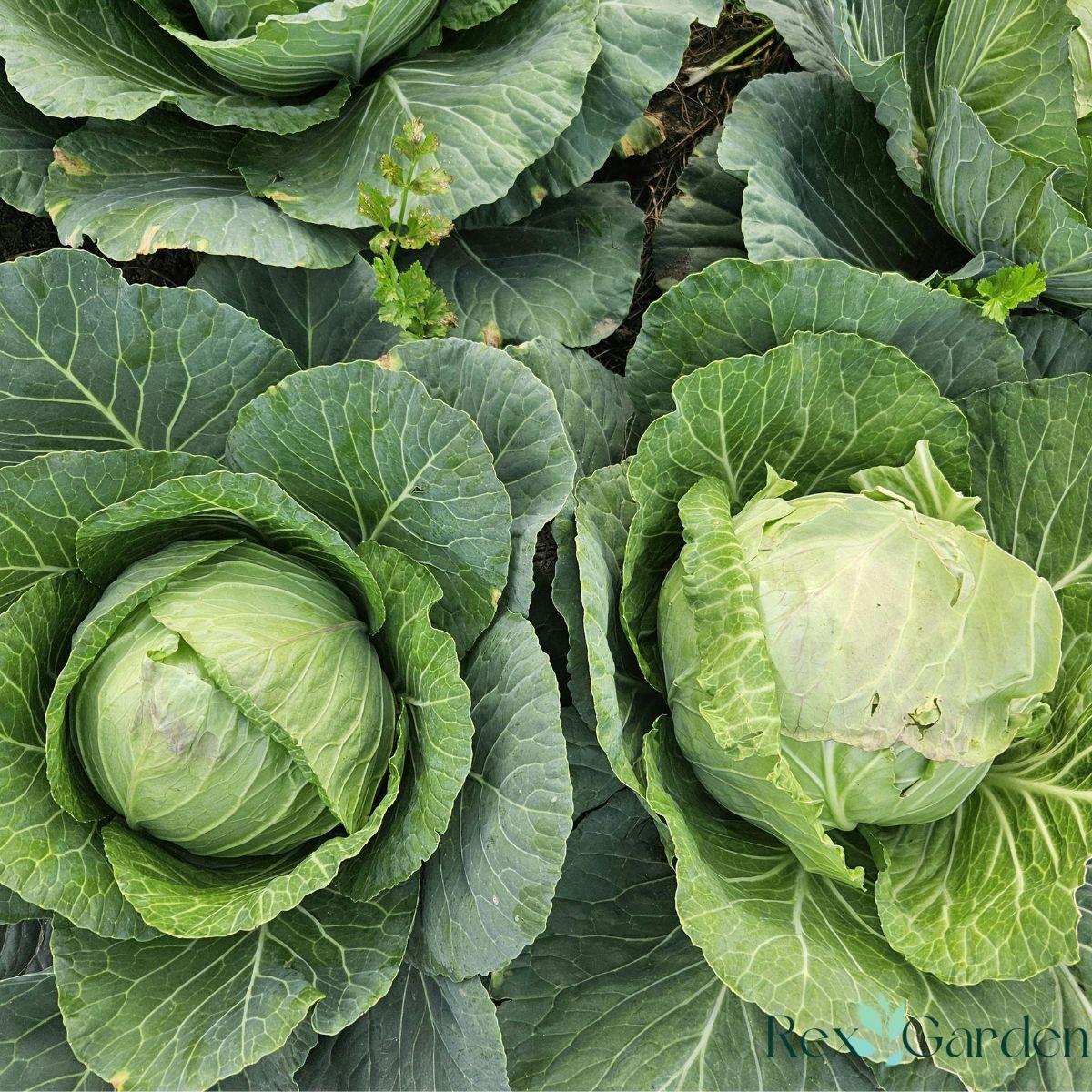
If you’ve ever tried growing cabbage, you know the heartbreak: one day you have smooth, beautiful green heads forming, and the next, your crop is riddled with ragged holes and crawling with unwelcome pests.
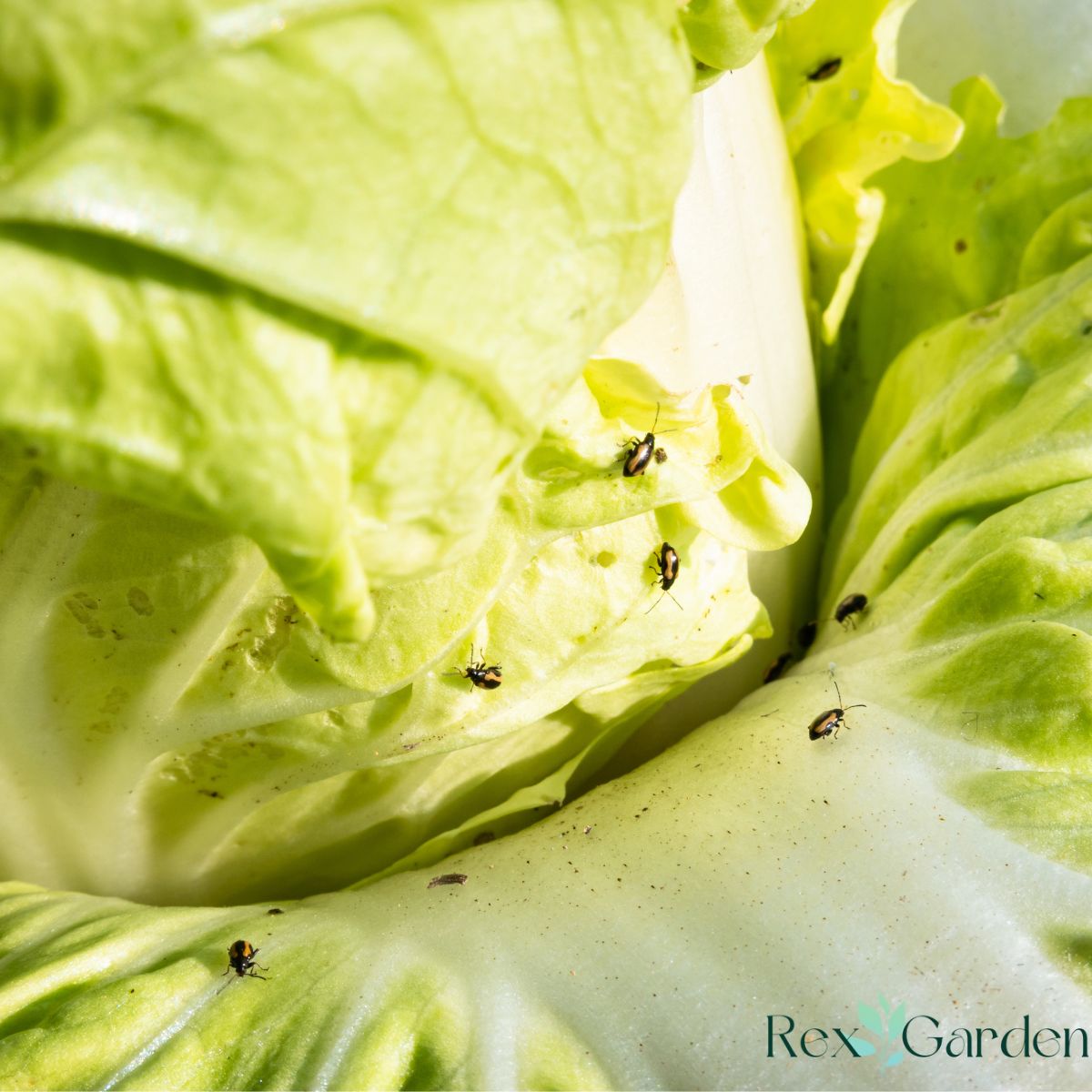
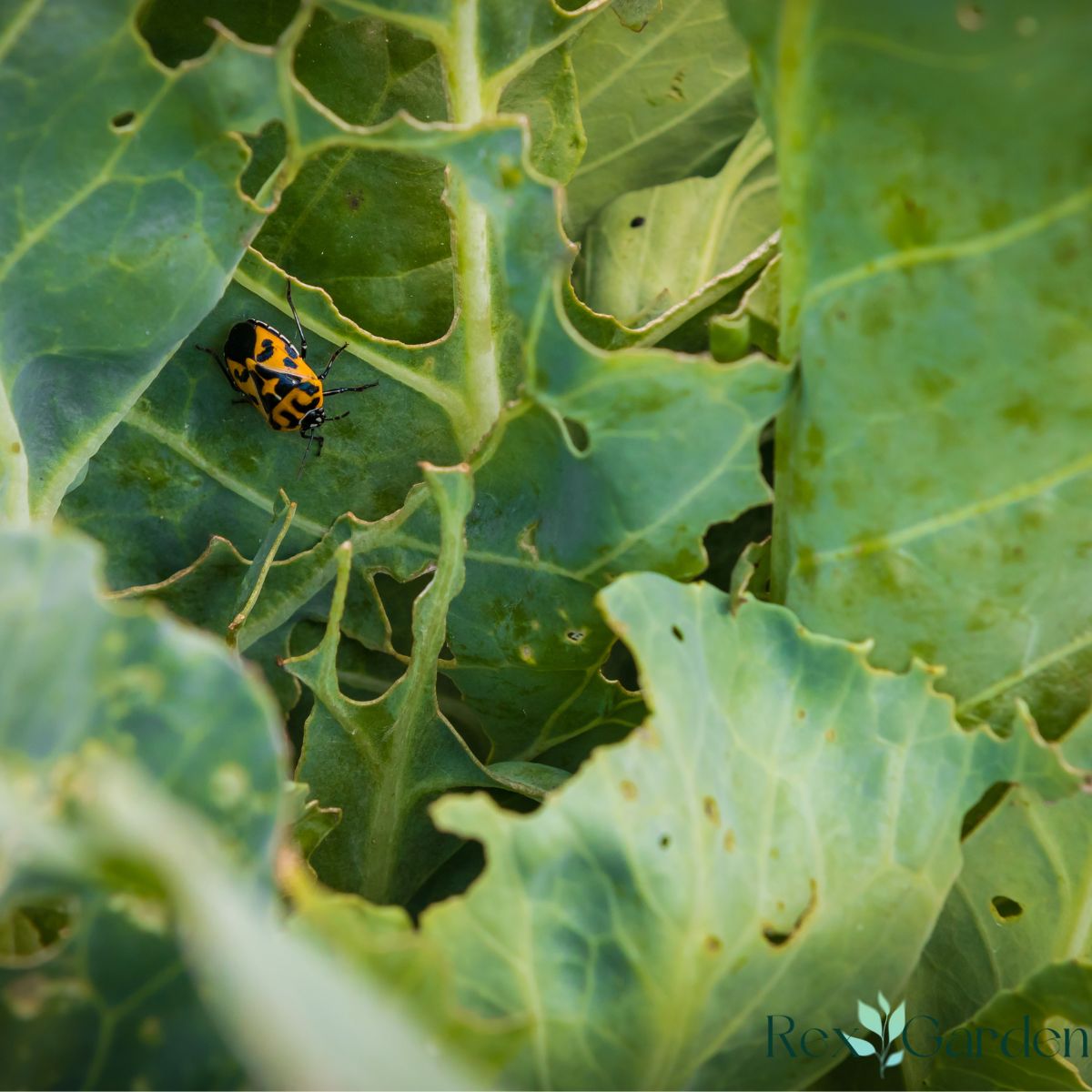
Members of the brassica family including cabbage, broccoli, kale, and cauliflower are notorious targets for cabbage loopers, imported cabbage-worms, flea beetles, and aphids. However, you don't need to spray harsh chemicals to harvest perfect, pristine heads of cabbage.
Read Next
By combining physical barriers with safe organic controls and smart cultural practices, you can keep your garden completely pest-free. Here is the ultimate guide to protecting your cabbage from insects this season.
🛡️ 1. Install Mesh Row Covers (The Most Effective Method)
Physical exclusion is the absolute gold standard for growing brassicas. Because cabbage does not require pollination from bees to produce a harvestable crop, it can live safely under a protective cover for its entire lifecycle.
- What to use: Purchase ultra-fine netting, such as Standard Veggie Mesh (40-mesh garden screening), which blocks even the tiniest flea beetles and whiteflies while allowing rain and sunlight to pass right through.
- How to build: Drape the netting over metal wire hoops, flexible conduit, or PVC pipes to create a sturdy low tunnel above the crop.
- The trick: Pin the edges down tightly using heavy-duty landscape staples, or weigh them down completely with bricks, timber, or soil. If there is even a tiny gap, white cabbage moths will wiggle inside and lay dozens of eggs on the underside of your leaves.
🦠 2. Keep Bt (Bacillus thuringiensis) Spray Ready
If any pesky caterpillars manage to sneak under your netting, keep a bottle of Bt spray (such as Thuricide) on hand as your organic secret weapon.
- How it works: Bt is a naturally occurring, soil-derived bacterium that is completely safe for humans, pets, birds, and beneficial predatory insects. However, when chewing caterpillars eat leaves sprayed with Bt, the bacteria disrupts their digestive tracts, causing them to stop feeding within hours.
- Application: Mix according to package directions and spray both the tops and undersides of the leaves once every 1-2 weeks if you spot feeding holes, dark frass (caterpillar droppings), or little green worms appearing.
🧄 3. Practice Companion Planting & Crop Rotation
Disrupting pest behavior naturally begins with how you organize your garden beds.
- Pest-Deterring Companions: Strong-scented herbs and alliums confuse the radar of flying pests, making it much harder for adult cabbage moths to sniff out your crop. Plant thyme, rosemary, sage, or green onions directly alongside your cabbage rows.
- Smart Crop Rotation: Avoid planting cabbage in the exact same bed where you grew broccoli, kale, Brussels sprouts, or radishes within the last 2 to 3 years. Overwintering pupae and flea beetles can emerge directly out of the soil in spring, right inside your newly planted bed!
🍂 4. Clean Your Garden Beds This Fall
Preventive pest control doesn't end when the harvest is over; it starts in late autumn.
- Remove Old Roots: Cabbage aphids, flea beetles, and pupae love to overwinter inside the decaying roots and hollow stems of old crops. When you clean up your garden late this autumn, yank out all old brassica root systems entirely so insects don't have a cozy winter sanctuary.
- Protect the Soil: Once the old root systems are removed, you can safely lay down a thick blanket of shredded autumn leaves right over that bare, clean soil to protect it through the winter without harboring pests.
Summary Pest-Protection Checklist
| Strategy | Primary Target Pests | Best Time to Apply |
| Mesh Covers | Cabbage Moths, Flea Beetles, Birds | Immediately at planting |
| Bt Spray | Cabbageworms, Loopers, Diamondback Moths | At first sign of leaf damage |
| Companion Plants | Adult Flying Insects (Moths & Flies) | Planted alongside cabbage in spring |
| Fall Bed Clean-up | Overwintering Aphids & Soil Pupae |

Comments
No Comments